


Disclaimer: I don’t own pictures
November has a texture all its own — soft, muted, heavy with quiet meaning. It’s the month where the world exhales. The leaves that once burned gold fade into ochre. The air thins into mist. Darkness creeps a little faster each day. And writers, sensitive to the shift, often feel the subtle pull to go inward, sink into mood, and let the atmosphere shape the stories they create.
Whether you’re writing fiction, nonfiction, or poetry, November offers one of the richest sensory palettes of the year. Below is how to use its textures — literal and emotional — to deepen your scenes and elevate your writing.
1. November as a Mood: Quiet, Threshold, Transformation
November sits between extremes: between autumn’s fire and winter’s stillness. This transitional energy is powerful in storytelling because it represents a threshold — the moment before something changes.
Use this atmospheric tension for scenes involving:
- Characters on the verge of a choice
- Shifting relationships
- Inner conflict or identity transformation
- Worlds entering danger or magic awakening
- Emotional truths rising to the surface
November is the perfect metaphor for in-between moments, where nothing has fully transformed — but the air says it will.
2. The Sensory Texture of November
November provides vivid sensory cues that naturally ground your scenes and evoke emotion.
Sight
- Bare branches etched against pale sky
- Low-lying fog stretching between trees
- Early darkness and long blue shadows
- Last leaves clinging desperately to branches
- Breath turning white with cold
Sound
- The hush of nearly empty forests
- Wind shaking loose what remains
- Soft, steady rain
- Crackle of a fire
- Distant geese passing south
Smell
- Earth damp from rain
- Wood smoke curling from chimneys
- Wet leaves and moss
- The metallic hint of frost
Touch
- Cold air seeping through sleeves
- Damp mist clinging to skin
- Warm mugs held between numb fingers
- Textures of wool, fleece, and knits
Taste
- Warm broths, teas, and spiced drinks
- Harvest flavors: squash, apple, pumpkin
Use just a few of these details to immerse the reader in your world without overwhelming them.
3. November for Emotional Depth
November is a deeply introspective month — almost naturally reflective. Its quiet mood lends itself to emotional writing moments.
It works beautifully for scenes where characters:
- Admit truths they’ve avoided
- Confront loneliness, fear, or longing
- Remember what they’ve lost
- Bond through quiet, shared moments
- Anticipate a coming change
The atmosphere itself becomes a collaborator in your storytelling.
4. Using November Weather as a Narrative Tool

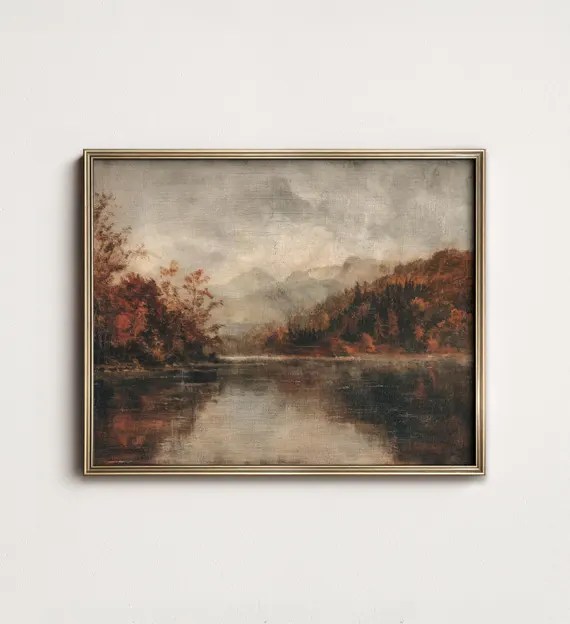
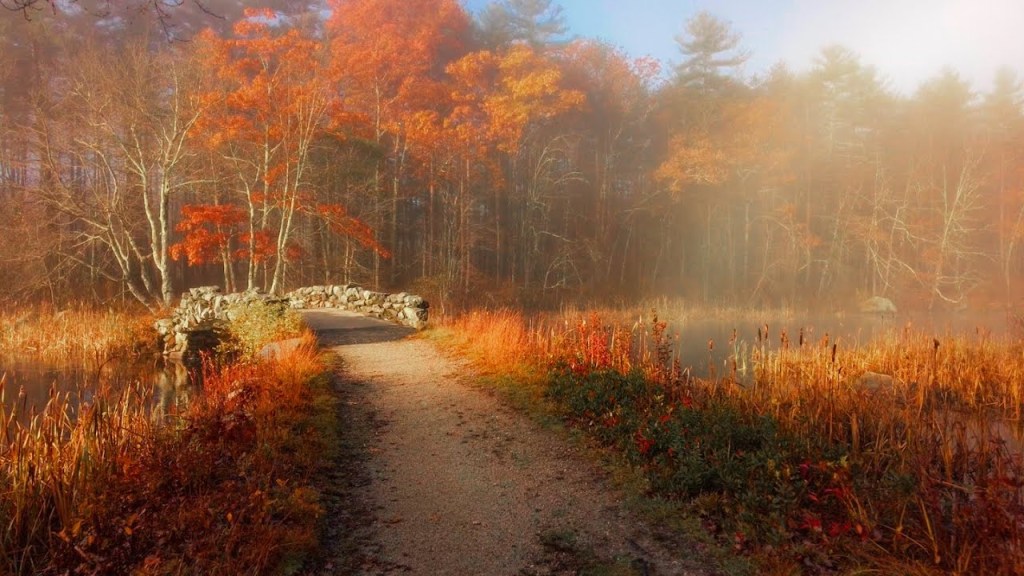
Disclaimer: I don’t own pictures
Weather in November becomes symbolic with very little effort:
- Fog → uncertainty, secrets, blurred truth
- Cold rain → grief, cleansing, emotional heaviness
- Bare trees → honesty, exposure, endings
- Early twilight → intimacy, danger, the unknown
- Wind → change arriving whether you’re ready or not
Let weather reinforce the scene’s emotional tone.
5. November’s Emotional Palette for Your Characters
November encourages slower pacing and quieter scenes. You can use this month’s atmosphere to inspire:
- Soft, vulnerable conversations
- Wordless gestures of comfort
- Introspective walks or solitary moments
- Subtle magic or spiritual shifts
- Characters preparing for a coming event or revelation
In fantasy and paranormal fiction, November is ideal for magic that whispers rather than roars.
In romance, it encourages tenderness.
In horror, its stillness becomes eerie.
6. Writing Exercise: Give Your Scene November’s Texture
Choose a scene (new or existing) and ask:
- What emotional temperature defines the moment?
- What November sensory detail mirrors that feeling?
- Can you replace one line of description with something atmospheric?
- What does the character notice when the world quiets down?
Revise using just 2–3 November details to shift tone without overpowering the scene.
7. November-Themed Prompts to Deepen Your Story
- A character steps into a fogbound forest and finds someone waiting there.
- The first frost reveals a truth the protagonist can no longer avoid.
- Two characters seek warmth together on a cold night and say something they shouldn’t.
- A storm uncovers a secret hidden under fallen leaves.
- A traveler enters a village where November never ends.
- A witch senses the season turning in a way no one else feels.
- A character returns to a childhood place stripped bare for the first time.
Using November’s Texture in Nonfiction and Poetry
November’s quiet beauty isn’t just for fiction. Its sensory richness and symbolism can elevate personal essays, reflective writing, and poetry in powerful ways.
Nonfiction: How to Use November in Essays, Memoirs & Reflective Writing
1. Explore Transitions and Turning Points
November symbolizes change, endings, and preparation.
Perfect for essays on growth, healing, decisions, or resilience.
2. Add Sensory Depth to Real Experiences
Using the smell of wood smoke or the feel of cold mist can ground your memories and reflections.
3. Build Emotional Resonance
Themes that pair naturally with November include:
- grief
- clarity after confusion
- gratitude
- introspection
- slowing down
- embracing stillness
4. Strengthen Your Message Through Metaphor
Let bare branches represent vulnerability.
Let early twilight symbolize uncertainty.
Let rain represent release or transformation.
Poetry: How to Let November Shape Your Lines
1. Use November Imagery as Emotion
- Frost → longing
- Fog → forgotten memories
- Wind → grief or transition
- Last leaf → stubborn hope
2. Mirror Inner Landscapes with Outer Ones
Let the season reflect your inner state — or oppose it to create contrast.
3. Embrace Metaphor and Minimalism
November’s sparse world supports:
- short lines
- fragmented verse
- poems with open space
- quiet, intimate language
4. Let Nature Guide Your Rhythm
Write with pauses, slowness, and breath — like the world settling before winter.
Final Thought
No matter what you write — fiction, nonfiction, or poetry — November offers a mood, a rhythm, and a symbolic language that deepens your work. Let its textures guide your prose, sharpen your imagery, and soften your storytelling in all the right places.
Happy Writing ^_^

 Sara's Writing Sanctuary