
There is something sacred about the in-between.
Not quite winter.
Not fully spring.
Not the height of summer.
Not yet autumn.
Transitional seasons don’t rush. They hover. They soften edges. They blur what was into what will be.
And for writers—especially those of us drawn to fantasy, romance, and transformation—this space is pure magic.
🌒 The In-Between as Creative Portal

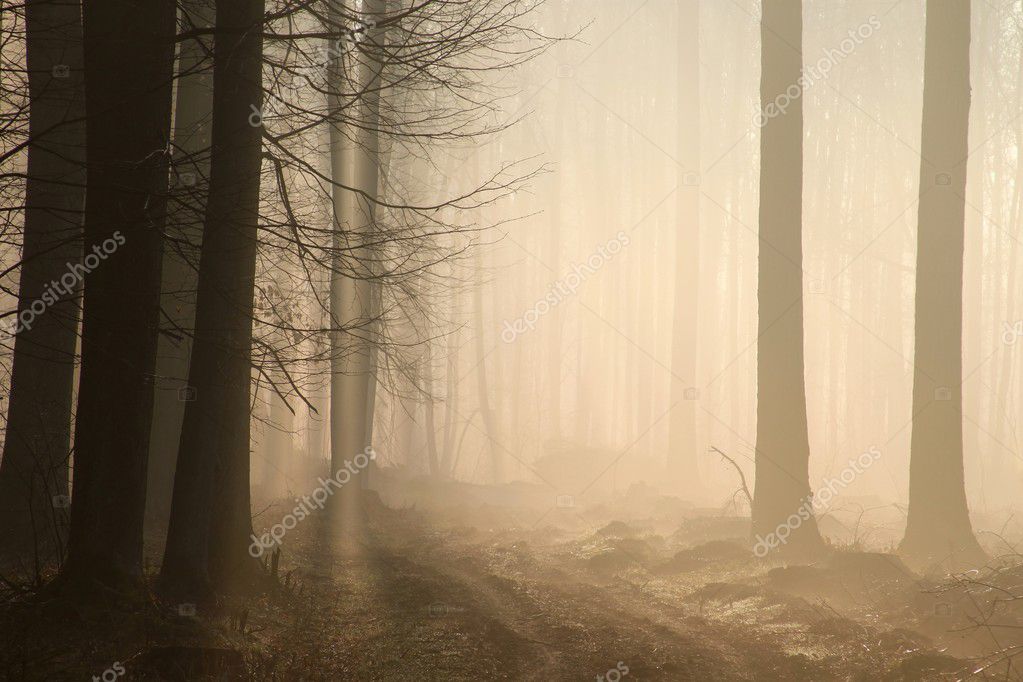
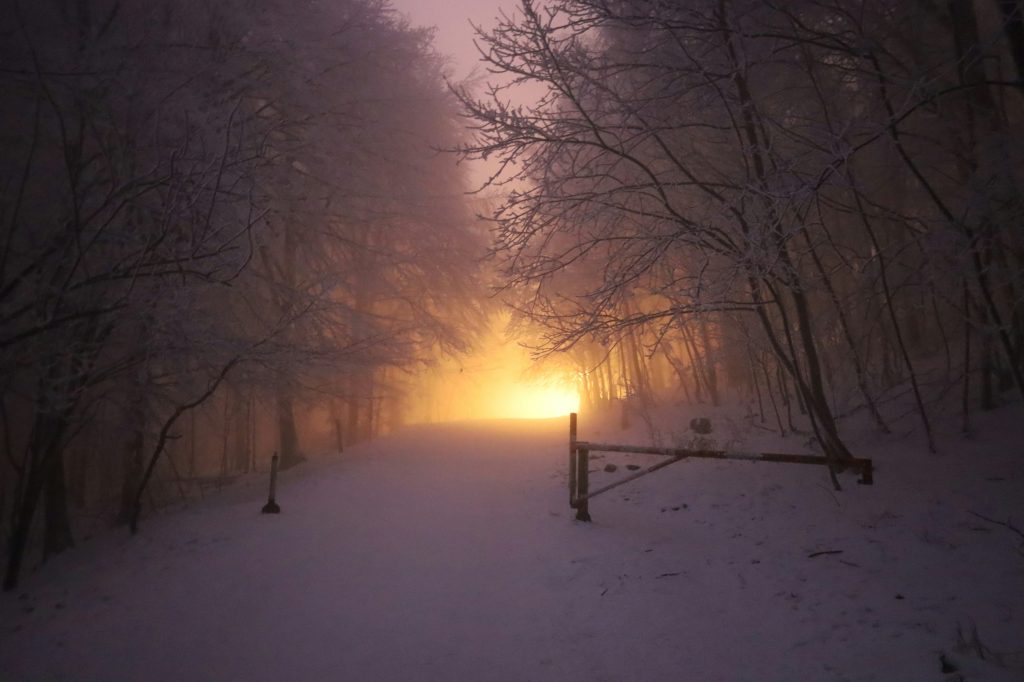
Transitional seasons mirror the emotional spaces we write about:
- The moment before a confession.
- The breath before a kiss.
- The silence before a kingdom falls.
- The pause between who a character was and who they are becoming.
In fantasy especially, power often awakens in thresholds—doorways, forests at dusk, eclipses, borderlands. Transitional seasons are nature’s version of that liminal space.
They are the story beat between chapters.
And that’s where growth happens.
🌿 Writing When Everything Feels Unsettled
If you’ve ever felt slightly ungrounded during seasonal shifts, you’re not alone.
Light changes.
Energy changes.
Your body and mood shift.
For creative people—especially sensitive, reflective writers—this can feel intense.
But instead of fighting it, what if you leaned into it?
Transitional seasons are perfect for:
- 🌙 Drafting transformation arcs
- 🌫 Deepening internal conflict
- 🔥 Exploring identity shifts
- 🌊 Writing scenes of uncertainty or emotional vulnerability
- 🍂 Letting characters question their loyalties, desires, or fate
The in-between invites emotional honesty. It strips away certainty.
And that is where the most powerful character development lives.
🕯 Transitional Energy & Storytelling
Think about your favorite stories.
They don’t change during stability.
They change during disruption.
A war begins.
A mate bond snaps into place.
A secret is revealed.
A power awakens.
The “in-between” season is that moment before everything fully transforms.
As a dark fantasy or romance writer, this is where longing breathes. Where tension lingers. Where desire hasn’t been resolved yet.
It’s not the climax.
It’s the ache before it.
And ache is magnetic.
🍂 Gentle Ways to Write in Transitional Seasons
You don’t need a 10k-word day to honor this energy. Transitional seasons respond best to softness.
Try:
- Writing at dawn or dusk.
- Drafting by candlelight.
- Creating a playlist that feels like fog and fading light.
- Journaling about what is shifting in your own life.
- Asking: What part of me is changing right now?
Often, the stories we struggle to write are reflections of internal thresholds we haven’t fully named yet.
🌙 The In-Between Mirrors Us
If Valentine’s Day felt heavy.
If winter felt long.
If spring feels uncertain.
If your creativity feels like it’s molting rather than blooming…
You are not behind.
You are transitioning.
Just like your characters.
And some of the most powerful fantasy arcs begin not with action—but with quiet, unstable becoming.
✨ Writing Prompt
Write a scene where your character stands at a literal border (a forest edge, city gates, shoreline, portal). They must decide whether to cross.
Focus less on what happens—and more on what it feels like to hesitate.
Transitional seasons are not empty space.
They are sacred thresholds.
And if you listen closely, they will tell you exactly what your next story needs to become. 🌒✨
Happy Writing ^_^



 Sara's Writing Sanctuary