
Crafting Characters Through Scent, Memory, and Atmosphere
November is a month rich with moods—smoky air, damp leaves, the first spark of cold, the warmth of spices sneaking into kitchens. While many writers focus on visuals to shape their characters, scent is one of the most powerful emotional triggers we have. It can pull readers instantly into a moment, reveal a character’s inner world, and hint at backstory without a single line of exposition.
Building a character around a specific November aroma doesn’t just help with atmosphere—it deepens personality, motivation, and emotional tone.
Let’s explore how you can use scent to create richer, more immersive characters this season.
Why Smell Is a Powerful Tool for Character Creation
The human brain ties scent directly to memory and emotion. A November smell can:
- Unlock old wounds or warm nostalgia
- Shape a character’s fears or desires
- Connect them to a specific place or person
- Foreshadow events or hidden truths
- Reveal who they were versus who they are becoming
Using scent gives your character a lived-in authenticity, grounding them in the world while making their emotional landscape vivid and relatable.
Step 1: Choose Your November Aroma
Pick one scent that instantly evokes the soul of November. Try one of these:

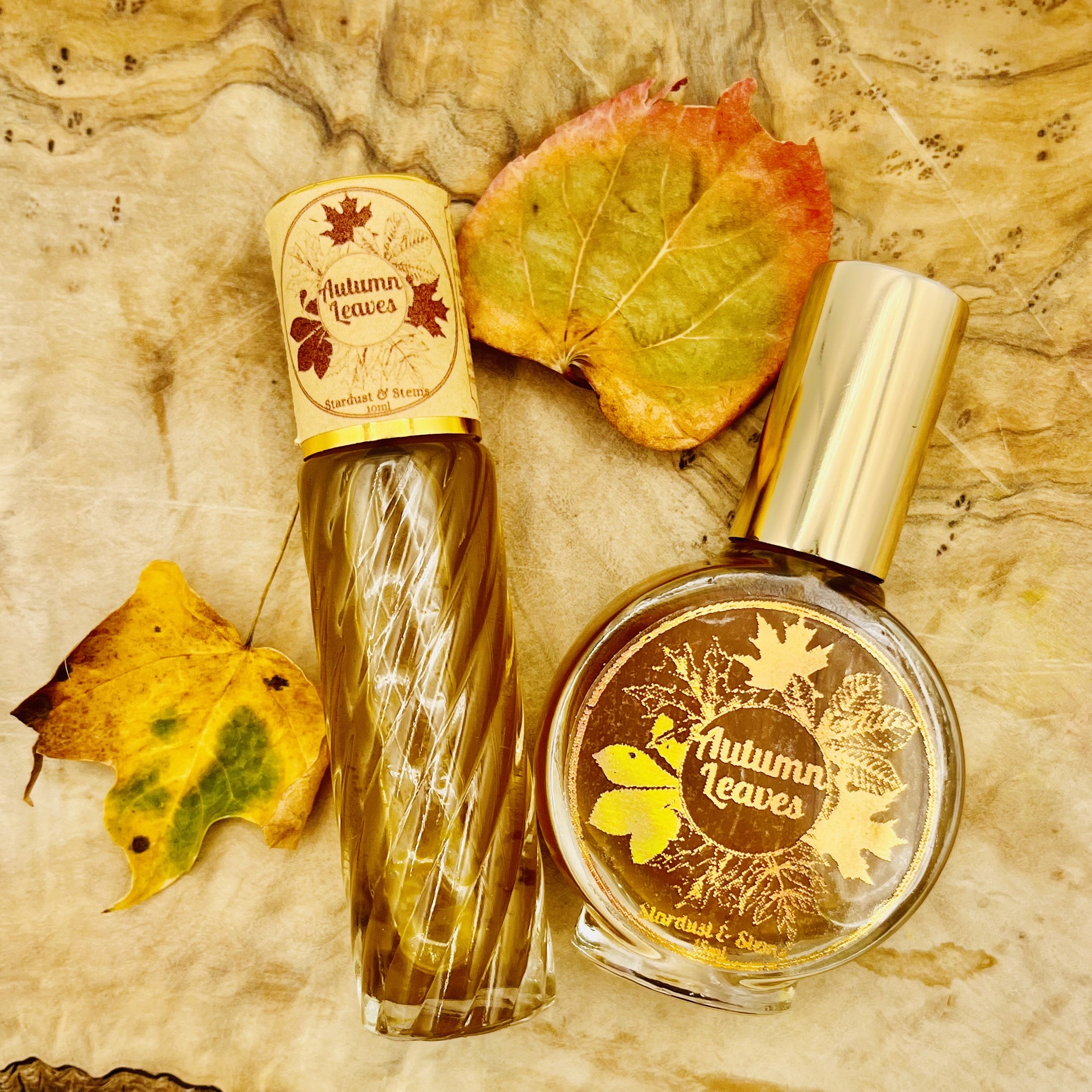

- Woodsmoke curling through chilled air
- Damp earth and fallen leaves
- Warm cinnamon or clove from a kitchen
- The ozone tingle before a cold rain
- Crisp apple peel
- Aging books and wool scarves
- Frost on morning grass
- Distant fireplace fire drifting through a neighborhood
Choose the one that feels magnetic.
Step 2: Ask: What Does This Scent Mean to Your Character?
Every scent carries an emotional resonance.
Ask yourself:
- Is this aroma comforting, unsettling, or nostalgic to them?
- Does it remind them of someone—lost, loved, or feared?
- Does it tie to a ritual, place, or traumatic event?
- Do they seek this scent out or avoid it?
Example:
- Woodsmoke might remind your protagonist of winter nights spent with someone they lost.
- Damp leaves could trigger a memory of a childhood secret buried—maybe literally.
- Cinnamon may symbolize a mother’s kitchen, warmth, safety… or expectations they failed to meet.
Step 3: Build Core Traits Around That Aroma
Let your chosen November scent subtly shape your character’s personality.
If their November scent is woodsmoke:
They might be introspective, drawn to silence, nostalgic, slow to trust but deeply loyal.
If their November scent is cold rain:
They might carry a restless energy, haunted by the past, always in motion, uncomfortable with stillness.
If their November scent is cinnamon:
They may be nurturing yet guarded, craving connection but unsure how to reach for it.
If their November scent is damp leaves:
They could be grounded, observant, perhaps hiding secrets or truths no one else sees.
Character creation becomes easier when scent acts as an anchor.
Step 4: Tie the Aroma Into Their Backstory
Now build one defining moment tied to this scent.
Ask:
- When did they first associate this aroma with something emotional?
- Who was there? What happened?
- What changed after that day?
Example backstory seeds:
- The smell of wet leaves from the morning they learned a family secret.
- The spice aroma from the last holiday before everything fell apart.
- The smoke-scented jacket of someone who disappeared.
- The cold-metal frost smell from the night they ran away.
This becomes the emotional core of the November character.
Step 5: Bring the Aroma Into Your Scenes
Use the scent in small but meaningful ways:
- A shift in the air that warns them of danger
- A memory triggered mid-conversation
- Relief or panic stirred by the faintest whiff
- A scent that follows them—or one they chase
Let it echo through your story without overusing it. A few well-placed sensory moments can reveal more than a full paragraph of exposition.
Step 6: Show How the Aroma Evolves as They Evolve
As your character grows, their relationship to the scent can change.
Examples:
- Woodsmoke once brought grief; now it brings resolve.
- Frost once felt isolating; now it feels like clarity.
- Cinnamon once meant comfort; now it means home—one they built for themselves.
Let the aroma mark turning points in your narrative arc.
November Aroma Character Examples
1. The Woodsmoke Survivor
Haunted by the fire that reshaped their childhood, they grow into someone who guards others fiercely.
2. The Cinnamon Archivist
A gentle yet sharp scholar whose life revolves around reconstructing lost stories.
3. The Frost-Walker
Emotionally locked-down but perceptive, their arc warms as they learn trust.
4. The Rain-Threaded Detective
Restless, watchful, and always moving—the weather mirrors their inner storms.
Use these as jump-off points for your own stories.
Writing Prompts: Build Your Own November-Aroma Character
Here are prompts perfect for your readers or for a downloadable PDF:
- Your character associates woodsmoke with one person they can never forgive. Write the moment that shaped their hatred.
- A sudden whiff of cold rain warns your protagonist of danger moments before it happens.
- Your character has lost their sense of smell—except for one November scent. Why this one?
- A faint aroma of damp leaves follows your character everywhere, becoming a supernatural clue.
- Cinnamon and clove bring your character peace… until they discover who else remembers the scent.
- The first frost of November shifts something inside your character. Describe the transformation.
- A library-dust scent leads your character to a forgotten journal with their name in it.
- Your character wakes up in a strange place—smelling bonfire smoke—and realizes it’s from a memory they buried.
Want to Deepen This Exercise?
Pair your November aroma character with:
- A November atmosphere (fog, frost, late sunset, long shadows)
- A November conflict (letting go, confronting memories, entering winter)
- A November symbol (keys, candles, migration, first frost, falling leaves)
This creates a layered, emotionally resonant character ready to walk into any genre—fantasy, romance, horror, or contemporary fiction.
Happy Writing ^_^

 Sara's Writing Sanctuary