
and Why Some Characters Are “Winter Souls”: A Personality Deep-Dive
Winter has a way of quieting the world—and when the noise fades, the subconscious finally has room to speak.
For many writers, winter dreams arrive sharper, stranger, and more symbolic than dreams in other seasons. They linger after waking. They carry images that feel important, even if we don’t yet understand why. These dreams often become the seeds of new stories—or the deepening of characters who already exist.
And then there are the characters who seem born of winter itself. The ones who feel old, watchful, restrained, and powerful beneath the surface. These are what I call Winter Souls.
Let’s explore why winter dreams hit differently, how they shape story ideas, and what makes Winter Soul characters so compelling.
Why Winter Dreams Feel Different
In winter, life slows down. The natural world turns inward—and so do we.
Longer nights, deeper sleep cycles, and fewer external demands create ideal conditions for vivid dreaming. Psychologically and symbolically, winter represents:
- Rest and dormancy
- Memory and reflection
- Death, transformation, and rebirth
- Hidden strength
- Thresholds between endings and beginnings
When you dream in winter, your mind often pulls from deep emotional layers—grief, longing, unspoken truths, and ancient archetypes.
These dreams aren’t usually chaotic. They’re precise. Sparse. Symbol-heavy. Like poetry written in snow.
Disclaimer, I do not own the pictures.
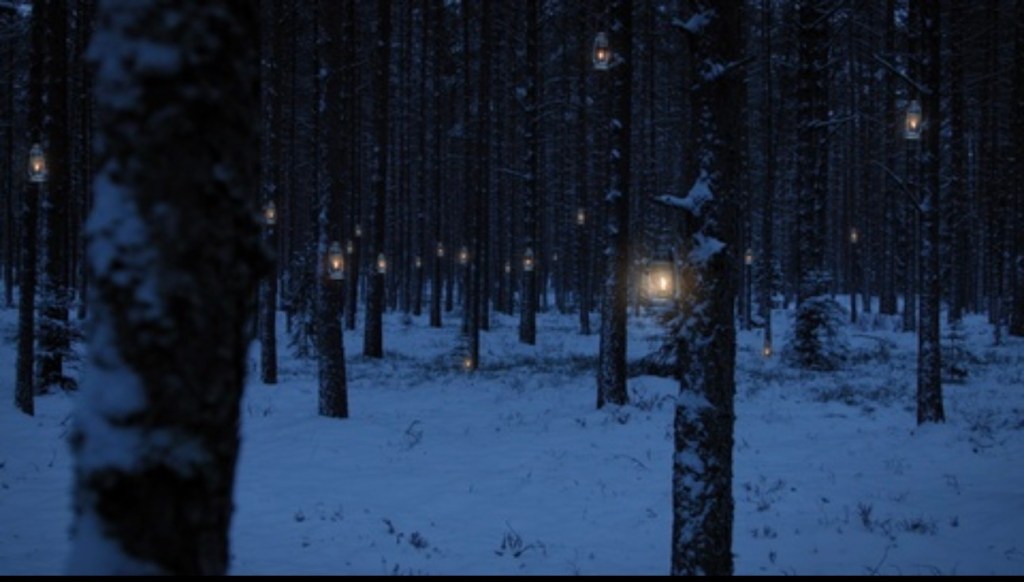

Writers frequently report winter dreams that include:
- Silent landscapes
- Frozen or abandoned places
- Familiar people behaving unlike themselves
- Guardians, watchers, or veiled figures
- Doors, thresholds, or journeys that feel unfinished
These images often translate directly into story beginnings, character backstories, or themes of survival and change.
From Dream to Story Seed
Winter dreams rarely give you a full plot. Instead, they offer fragments—and fragments are powerful.
A single image might become:
- A setting that won’t let you go
- A character who feels emotionally distant but deeply loyal
- A magic system tied to restraint or sacrifice
- A conflict rooted in survival rather than conquest
Because winter dreams tend to strip things down, they help writers uncover what a story is really about beneath the noise.
Ask yourself after a winter dream:
- What emotion lingered the longest?
- Was the dream quiet or tense?
- Did the dream feel protective, mournful, or watchful?
- Was something being preserved rather than destroyed?
These answers often point to the emotional core of a new story.
What Is a “Winter Soul” Character?
A Winter Soul character isn’t defined by coldness—they’re defined by containment.
These are characters who:
- Feel older than their years
- Hold their emotions tightly
- Observe more than they speak
- Protect others quietly
- Carry grief, guilt, or responsibility without complaint
They are often mistaken for being distant or unfeeling, but in truth, their emotional depth runs dangerously deep.
Common Winter Soul archetypes include:
- The guardian who stays behind while others move on
- The ruler who values stability over glory
- The survivor who learned early how to endure
- The mage whose power grows stronger through restraint
- The lover who waits rather than pursues
Winter Souls don’t burn brightly—they endure.
The Psychology Behind Winter Souls
From a personality perspective, Winter Souls often emerge from:
- Early responsibility or emotional neglect
- Trauma that required stillness rather than action
- Cultures or roles where survival depended on silence
- Deep loyalty shaped by loss
In fiction, these characters resonate because they mirror real emotional experiences: people who learned that survival meant holding on rather than acting out.
They also create incredible tension in stories—because when a Winter Soul finally moves, the impact is seismic.
Writing Winter Souls Well
To write a Winter Soul authentically:
- Let silence do some of the work
- Show care through action, not words
- Use restraint as a form of strength
- Give them boundaries they rarely cross
- Make their breaking point meaningful
Winter Souls don’t need dramatic speeches. Their power lies in what they don’t say—and what they protect at all costs.
Why Writers Are Drawn to Winter Energy
Many writers—especially those who live with chronic illness, trauma, or emotional exhaustion—naturally align with winter energy.
Winter doesn’t demand constant productivity.
It honors rest.
It values reflection.
It understands cycles.
Winter stories give us permission to write about:
- Slowness
- Healing
- Waiting
- Survival
- Quiet resilience
And winter dreams remind us that even when nothing seems to be happening, something important is forming beneath the surface.
Final Thought: Winter Is Not an Ending
Winter dreams don’t arrive to shut stories down—they arrive to prepare them.
They ask you to listen.
To sit with the image.
To trust the quiet.
And Winter Soul characters exist to remind us that strength doesn’t always roar.
Sometimes, it waits.
Sometimes, it watches.
Sometimes, it survives long enough to change everything.
If your stories feel winter-born, you’re not behind—you’re incubating something powerful.
❄️✨Happy Writing ^_^

 Sara's Writing Sanctuary