2025 Months, December 2025

The Quiet Spell: Finding Creativity in Stillness

There is a myth that creativity arrives only in moments of intensity—late nights, racing thoughts, caffeine-fueled bursts of inspiration. That if you are not producing, striving, or actively doing, you are falling behind.

But creativity does not only live in motion.

Sometimes, it waits in stillness.

Stillness is not emptiness. It is not failure. It is not the absence of ideas.

Stillness is a quiet spell—one that softens the noise so something truer can rise.

Why Stillness Feels Uncomfortable for Writers

Many writers struggle with stillness because we have been taught to equate worth with output. Pages written. Words counted. Goals met.

When the mind slows, uncomfortable thoughts surface:

  • Am I losing my creativity?
  • Why don’t I feel inspired right now?
  • Everyone else seems to be writing—what’s wrong with me?

But creativity is cyclical. It inhales and exhales.

Periods of silence are not blocks—they are gestation.

Just as winter rests the land so it can bloom again, your creative spirit sometimes needs quiet to recalibrate.

The Magic Hidden in the Pause

Stillness allows you to hear the subtle things:

  • The emotional undercurrent beneath a character’s silence
  • The forgotten story idea waiting beneath exhaustion
  • The truth of what you actually want to write next

When you stop forcing words, your intuition steps forward.

This is where:

  • Deeper themes emerge
  • Characters grow more honest
  • Stories gain emotional weight

Stillness sharpens perception. It teaches restraint. It deepens voice.

How to Practice the Quiet Spell

You don’t need silence forever—just intentional pauses.

Here are gentle ways to invite stillness into your creative practice:

🌿 

Sit With an Idea Without Writing It

Let a story exist in your body before it exists on the page.

Notice what excites you. What feels heavy. What refuses to let go.

🌙 

Create Without Producing

Light a candle. Pull a tarot or oracle card. Journal one sentence.

Creativity does not always need to become a finished thing.

🍂 

Allow Sensory Stillness

Walk without headphones. Sit near a window. Breathe deeply.

Your senses are creative tools—even when your hands are idle.🖤 

Rest Without Guilt

Rest is not procrastination when it restores you.

A tired writer cannot access honest stories.

Stillness Is Not the End of Your Creativity

If you are in a quiet season right now, you are not broken.

You are listening.

The stories will return—changed, perhaps deeper, carrying something they could not have held before.

Trust the pause.

Honor the quiet.

Let the spell work.

Creativity does not vanish in stillness.

It gathers.

Happy Writing ^_^
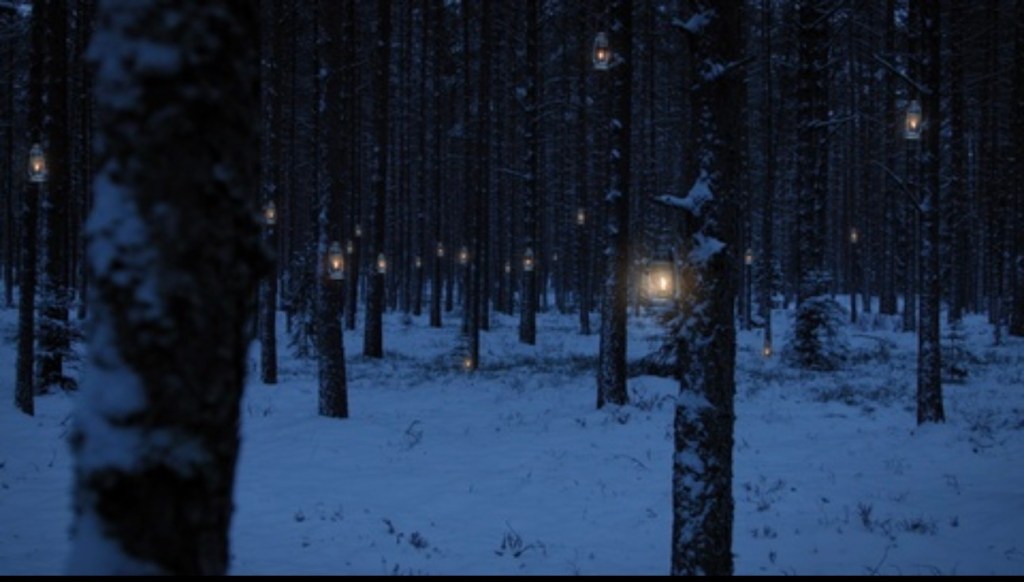
2025 Months, December 2025

Winter Spirits Around the World — Folklore That Inspires Fantasy

Winter has always been more than a season. Across cultures, it is a living presence—watchful, testing, merciless, and sometimes deeply protective. Long before fantasy novels and modern myth-making, people told stories of winter spirits to explain the cold, honor survival, and warn against hubris.

For fantasy writers, these spirits are a treasure trove: beings shaped by ice and darkness, law and balance, hunger and endurance. Let’s journey through winter folklore from around the world—and explore how these ancient figures can inspire rich, emotionally grounded fantasy worlds.

❄️ Japan — Yuki-onna, the Snow Woman

Yuki-onna drifts through blizzards like a ghost of falling snow. Pale, beautiful, and deadly, she freezes travelers with her breath—or spares them, for reasons known only to her.

She is not merely a monster. In some versions, she falls in love, marries a mortal, or enforces strict promises. When those promises are broken, winter claims its price.

Fantasy Inspiration

• A winter spirit bound by oaths and emotional rules

• Beauty that masks lethal power

• A being torn between compassion and ancient instinct

Use her as a fae queen of snowfields, a cursed guardian of mountain passes, or a love interest whose mercy is as dangerous as her wrath.

🌲 Celtic Lands — The Cailleach

The Cailleach is the crone of winter—stone-faced, ancient, and powerful. She shapes mountains, commands storms, and rules the dark half of the year until spring dethrones her.

Unlike youthful frost spirits, the Cailleach embodies endurance and inevitability. She is winter as law, not emotion.

Fantasy Inspiration

An ancient titan or earth-bound goddess

• A seasonal ruler whose reign must end—but never truly dies

• A mentor figure who teaches survival through hardship

She works beautifully as a force older than gods, one who remembers worlds before warmth existed.

🌨 Slavic Regions — Morozko / Father Frost

Morozko walks through forests cracking ice with his staff. He rewards kindness and humility—and punishes greed and cruelty with deadly cold.

He is winter’s judge, not its villain.

Fantasy Inspiration

• A spirit who tests mortals under disguise

• Cold as a moral force rather than evil

• A god who blesses resilience over strength

Perfect for quest narratives, fairy-tale retellings, or morally complex deities who don’t care about intent—only action.

🏔 Norse Myth — Skadi, Goddess of Winter and the Hunt

Skadi thrives where others perish. Snowshoeing across mountains, hunting in silence, she is independence incarnate.

She represents a crucial winter truth: cold does not mean weakness.

Fantasy Inspiration

• A warrior goddess or ranger queen of frozen lands

• Winter as freedom rather than punishment

• A culture that reveres snow as strength

She’s ideal for worlds where winter clans dominate through adaptation, not cruelty.

🔔 Alpine Europe — Perchta & Frau Holle

Perchta walks midwinter nights inspecting homes and hearts. She rewards diligence and punishes laziness—sometimes violently. Frau Holle shakes snow from her feather bed, governing domestic order and seasonal balance.

They are both caretakers and executioners.

Fantasy Inspiration

• Spirits who govern hidden laws of society

• Winter as a time of judgment and reckoning

• Magical enforcers tied to tradition and ritual

Use them for dark folkloric fantasy, especially where magic punishes imbalance.

🌌 Why Winter Spirits Matter in Fantasy

Winter spirits are powerful because they aren’t just creatures—they’re philosophies:

• Survival over comfort

• Balance over mercy

• Truth revealed when warmth is gone

In fantasy, winter spirits often serve as:

• Gatekeepers to transformation

• Forces that strip characters to their core

• Symbols of grief, endurance, and rebirth

Winter does not ask who you want to be.

It reveals who you already are.

✍️ Writing Prompts: Winter Spirits Edition

1. A winter spirit spares a traveler—but binds them to return every winter forever.

2. The goddess of winter has grown tired of relinquishing her throne each spring.

3. A mortal child is raised by a snow spirit and must choose between worlds.

4. Winter spirits begin freezing emotions instead of bodies.

5. The spirit of winter falls in love—and winter refuses to end.

🌙 Final Thoughts

Winter spirits remind us that fantasy isn’t just escapism—it’s memory. These beings carry humanity’s oldest fears and hopes, carved into ice and shadow.

When you write winter into your stories, you’re not just adding snow.

You’re invoking survival.

You’re invoking truth.

You’re invoking transformation.

Happy Writing ^_^

2025 Months, December 2025

How Winter Dreams Shape New Story Ideas

and Why Some Characters Are “Winter Souls”: A Personality Deep-Dive

Winter has a way of quieting the world—and when the noise fades, the subconscious finally has room to speak.

For many writers, winter dreams arrive sharper, stranger, and more symbolic than dreams in other seasons. They linger after waking. They carry images that feel important, even if we don’t yet understand why. These dreams often become the seeds of new stories—or the deepening of characters who already exist.

And then there are the characters who seem born of winter itself. The ones who feel old, watchful, restrained, and powerful beneath the surface. These are what I call Winter Souls.

Let’s explore why winter dreams hit differently, how they shape story ideas, and what makes Winter Soul characters so compelling.

Why Winter Dreams Feel Different

In winter, life slows down. The natural world turns inward—and so do we.

Longer nights, deeper sleep cycles, and fewer external demands create ideal conditions for vivid dreaming. Psychologically and symbolically, winter represents:

  • Rest and dormancy
  • Memory and reflection
  • Death, transformation, and rebirth
  • Hidden strength
  • Thresholds between endings and beginnings

When you dream in winter, your mind often pulls from deep emotional layers—grief, longing, unspoken truths, and ancient archetypes.

These dreams aren’t usually chaotic. They’re precise. Sparse. Symbol-heavy. Like poetry written in snow.

Disclaimer, I do not own the pictures.

Writers frequently report winter dreams that include:

  • Silent landscapes
  • Frozen or abandoned places
  • Familiar people behaving unlike themselves
  • Guardians, watchers, or veiled figures
  • Doors, thresholds, or journeys that feel unfinished

These images often translate directly into story beginnings, character backstories, or themes of survival and change.

From Dream to Story Seed

Winter dreams rarely give you a full plot. Instead, they offer fragments—and fragments are powerful.

A single image might become:

  • A setting that won’t let you go
  • A character who feels emotionally distant but deeply loyal
  • A magic system tied to restraint or sacrifice
  • A conflict rooted in survival rather than conquest

Because winter dreams tend to strip things down, they help writers uncover what a story is really about beneath the noise.

Ask yourself after a winter dream:

  • What emotion lingered the longest?
  • Was the dream quiet or tense?
  • Did the dream feel protective, mournful, or watchful?
  • Was something being preserved rather than destroyed?

These answers often point to the emotional core of a new story.

What Is a “Winter Soul” Character?

A Winter Soul character isn’t defined by coldness—they’re defined by containment.

These are characters who:

  • Feel older than their years
  • Hold their emotions tightly
  • Observe more than they speak
  • Protect others quietly
  • Carry grief, guilt, or responsibility without complaint

They are often mistaken for being distant or unfeeling, but in truth, their emotional depth runs dangerously deep.

Common Winter Soul archetypes include:

  • The guardian who stays behind while others move on
  • The ruler who values stability over glory
  • The survivor who learned early how to endure
  • The mage whose power grows stronger through restraint
  • The lover who waits rather than pursues

Winter Souls don’t burn brightly—they endure.

The Psychology Behind Winter Souls

From a personality perspective, Winter Souls often emerge from:

  • Early responsibility or emotional neglect
  • Trauma that required stillness rather than action
  • Cultures or roles where survival depended on silence
  • Deep loyalty shaped by loss

In fiction, these characters resonate because they mirror real emotional experiences: people who learned that survival meant holding on rather than acting out.

They also create incredible tension in stories—because when a Winter Soul finally moves, the impact is seismic.

Writing Winter Souls Well

To write a Winter Soul authentically:

  • Let silence do some of the work
  • Show care through action, not words
  • Use restraint as a form of strength
  • Give them boundaries they rarely cross
  • Make their breaking point meaningful

Winter Souls don’t need dramatic speeches. Their power lies in what they don’t say—and what they protect at all costs.

Why Writers Are Drawn to Winter Energy

Many writers—especially those who live with chronic illness, trauma, or emotional exhaustion—naturally align with winter energy.

Winter doesn’t demand constant productivity.

It honors rest.

It values reflection.

It understands cycles.

Winter stories give us permission to write about:

  • Slowness
  • Healing
  • Waiting
  • Survival
  • Quiet resilience

And winter dreams remind us that even when nothing seems to be happening, something important is forming beneath the surface.

Final Thought: Winter Is Not an Ending

Winter dreams don’t arrive to shut stories down—they arrive to prepare them.

They ask you to listen.

To sit with the image.

To trust the quiet.

And Winter Soul characters exist to remind us that strength doesn’t always roar.

Sometimes, it waits.

Sometimes, it watches.

Sometimes, it survives long enough to change everything.

If your stories feel winter-born, you’re not behind—you’re incubating something powerful.

❄️✨Happy Writing ^_^

2025 Months, December 2025

Winter as a Mirror: What This Season Reveals About Your Story’s Heart

Winter strips the world down to its bones.

The leaves fall. The noise quiets. Growth slows—not because life has ended, but because it has turned inward. For writers, winter offers something rare and powerful: a mirror. One that reflects not just what we’re writing, but why we’re writing it.

If you listen closely, winter can reveal the true heart of your story.

Winter Shows Us What Remains When Everything Else Is Gone

In fiction, winter is rarely just a setting. It’s a state of being.

When characters are forced into stillness—by snowstorms, isolation, grief, or exhaustion—what remains becomes undeniable. Stripped of distractions, they confront truths they can no longer avoid.

Ask yourself:

  • What does your character cling to when comfort is gone?
  • What belief, wound, or desire refuses to freeze over?
  • What part of them survives the cold?

That answer is often your story’s emotional core.

The Quiet Season Reveals the Unspoken

Winter isn’t loud. It doesn’t demand growth the way spring does or burn with the urgency of summer. Instead, it invites silence.

This is where subtext thrives.

In winter stories—or winter phases of stories—characters often say less but feel more. Their internal landscape becomes the true terrain.

If your draft feels stalled right now, it may not be broken. It may be waiting for you to listen to what hasn’t been said yet.

Try asking:

  • What truth is my character avoiding?
  • What memory resurfaces in stillness?
  • What fear grows louder when everything else quiets?

Winter Exposes What Needs Healing

Winter is not just about endurance. It’s about recovery.

In nature, winter is when roots deepen underground. In stories, this is when wounds are acknowledged—even if they aren’t healed yet.

Your story’s winter may reveal:

  • A betrayal that hasn’t been forgiven
  • A loss that still aches
  • A truth that reshapes identity

These moments matter. They are the groundwork for transformation later—even if the change hasn’t arrived yet.

Your Creative Winter Is Part of the Story

If you are feeling slow, introspective, or disconnected from momentum right now, that doesn’t mean you’re failing as a writer. It means you’re in a season of reflection.

Your story might be asking:

  • What truly matters in this narrative?
  • Which threads are essential—and which can be released?
  • What emotional truth are you circling but not yet naming?

Winter doesn’t rush answers. It makes space for them.

Writing With Winter Instead of Against It

Instead of forcing productivity, try aligning with the season:

  • Revisit character backstories
  • Journal from your protagonist’s POV
  • Rewrite a scene focusing only on emotion, not plot
  • Let yourself write slowly, quietly, imperfectly

Some of the most powerful stories are born not in bursts of inspiration—but in stillness.

Before the Thaw

Spring will come. It always does.

But the strength of what blooms later depends on what was faced—and tended to—during winter.

So if your story feels quiet right now, don’t be afraid. Look into the mirror winter offers. The heart of your story is already there, waiting to be seen.

Gentle Reflection Prompt for Writers

What truth does your character discover in stillness—one they couldn’t hear during louder seasons?

Happy Writing ^_^

2025 Months, December 2025

The Silence Between Snowflakes: Minimalism in Prose & Description

Winter has a way of teaching us about simplicity.

When snow falls, the world quiets. Details soften. Edges blur. What remains is essence—the shape of a branch, the breath of a creature, the impression of something moving unseen.
Minimalist prose works the same way: it clears away the clutter, invites stillness, and lets the reader feel the shape of what isn’t said.

In a season marked by hush and white space, writers can learn to use minimalism not as a limitation, but as a form of elegant storytelling.


What Is Minimalism in Writing?

Minimalism isn’t about writing less.
It’s about writing with intention.

It’s choosing:

  • The one detail that reveals a world
  • The single gesture that betrays a character
  • The quiet moment that shifts the entire emotional landscape

Where maximalism floods the page with sensory richness, minimalism gives just enough for the reader to build the world in their own imagination—and that partnership creates deep immersion.

Minimalism trusts the reader.
It whispers instead of explains.
It leaves space for meaning to breathe.


The Magic of Silence in Storytelling

In winter, silence isn’t empty—it’s alive.

It carries:

  • footfalls in the snow
  • a distant wind
  • the creak of ice forming
  • the soft sigh of someone thinking what they cannot say

Minimalist prose uses silence like this.

It invites the reader to listen between the lines.
To lean slightly forward, as if a secret is being told but never fully spoken.

This is powerful, especially in:

  • romance (the unspoken tension)
  • dark fantasy (the world hinted at, not explained)
  • horror (the threat just out of sight)
  • literary fiction (the meaning beneath the moment)

When you withhold excess description, the emotional weight intensifies.


Let the Reader Discover the Story

Maximalism guides the reader by the hand.
Minimalism offers clues and lets them choose the path.

A single minimalist detail can reveal:

  • status
  • desire
  • conflict
  • grief
  • longing
  • fear
  • hope

Example:
Instead of telling us a character is lonely, minimalism might show:

She set a second cup of tea on the table, then paused, realizing her mistake.

That is enough.

The reader feels the ache without needing the explanation.


Choosing the Right Detail

Minimalist description is like a snowflake: small, delicate, but uniquely shaped.

Ask yourself:

  • What detail defines this moment?
  • What is the emotional temperature here?
  • What do I want the reader to feel?
  • What happens if I remove this sentence? Does the meaning survive—or deepen?

Minimalism isn’t vague.
It’s precise.

You’re not withholding information; you’re focusing the beam of a flashlight on the most telling place.


Minimalism for Worldbuilders & Fantasy Writers

Fantasy writers often fear minimalism—after all, your world is rich, magical, layered with lore.

But minimalism doesn’t require you to shrink the world.
It simply shifts how you reveal it.

Instead of a paragraph explaining the ancient war, consider:

The sword hummed when she touched it, as if remembering the last hand that carried it into fire.

In one line:

  • we know there was a war
  • the sword has history
  • there’s magic
  • the past still matters

Minimalism can deliver worldbuilding through resonance instead of exposition.


Let Atmosphere Replace Excess Words

A minimalist scene relies on mood over detail.

Think:

  • the cold breath hanging in the air
  • the weight of a glance
  • the distance between two hands
  • a soft snowfall erasing footprints

You don’t need to describe every tree if the silence of the forest tells us everything.


Minimalism Creates Emotional Impact

One well-crafted line can hit harder than a paragraph.

Especially when writing:

  • grief
  • desire
  • betrayal
  • revelation
  • transformation
  • surrender

Emotions land strongest when the reader participates in completing them.

Minimalism becomes an invitation:
Feel this with me. Fill in the rest.


A Gentle Winter Writing Exercise

Try this today:

Describe a winter scene using only three sensory details and one line of dialogue.
Let implication carry the meaning.

Example:

Snow gathered on the abandoned swing. A lone crow clicked its beak. Her breath trembled in the cold.
“I’m not ready,” she whispered.

What’s she not ready for?
That’s the magic—your reader decides.


When Less Becomes More

Minimalism in prose is the literary version of snowfall:

  • it softens the noise
  • reveals the essential
  • encourages introspection
  • invites the reader closer

Winter teaches us that the quietest moments can hold the most meaning.

Sometimes, the story lives not in what you describe…

…but in the silence between snowflakes.

Happy Writing ^_^

2025 Months, December 2025

❄️ Designing Winter Deities, Guardians & Elemental Spirits

How to Create Mythic Forces for Your Fantasy Worlds

Winter is one of the richest seasons for worldbuilding. The cold breath of the season, the darkened skies, the tension between survival and hope — all of it invites storytellers to imagine beings born from frost, silence, starlight, or slumbering power beneath the snow.

Winter deities and spirits often embody extremes: preservation and decay, endings and rebirth, solitude and fierce protection. Designing them can help you shape your world’s mythology, emotional tone, and even the character arcs at the heart of your story.

This guide will help you create winter gods, guardians, and elemental spirits that feel ancient, resonant, and unforgettable.


🌙 Step 1 — Define What Winter Means in Your World

Winter symbolizes different things depending on the culture, climate, and magical history of your setting.

Ask yourself:

  • Is winter a feared season or a sacred one?
  • Does winter represent endings… or the quiet before something awakens?
  • Does your world see winter as punishment, balance, or blessing?

This meaning becomes the root of the deity or spirit’s domain.

Examples:

  • A goddess of the longest night, whose arrival brings prophetic dreams.
  • A spirit of dormant seeds, guarding life hidden beneath frozen earth.
  • A deity of hoarfrost and memory loss, who erases heartbreak during winter.

❄️ Step 2 — Choose Their Core Elemental Forces

Winter deities often draw from specific elemental sources:

Ice & Frost

  • Preservation, memory, clarity
  • Fragile beauty hiding deadly precision
  • Stasis, suspended time, frozen moments

Snow

  • Softness, cleansing, stillness
  • Covering truths, burying history
  • A silent messenger of change

Wind & Storms

  • Harsh truths
  • Purification by force
  • Shifting fates and unpredictable arrivals

Darkness & Night

  • Secrets and visions
  • Ancestral communication
  • Protection through concealment

Stars & Winter Moons

  • Guiding travelers
  • Magical thresholds
  • Rebirth under celestial light

Let your deity embody one (or a mixture) of these forces in a way that hints at both their blessings and their wrath.


🧊 Step 3 — Define Their Role in the World

What purpose does this winter deity or spirit serve?

Possible Roles

  • Guardian of the Solstice Gate, keeping balance between seasons
  • Watcher of Lost Travelers, who guides or claims those who stray
  • Keeper of Forgotten Names, preserving lineage and history
  • Harbinger of Renewal, melting frost when change is ready
  • Spirit of Winter Hunts, testing courage and heart

The clearer the role, the easier it is to weave them into plot, folklore, and character arcs.


🌬️ Step 4 — Determine Their Personality & Vibe

Winter beings don’t need to be cold — but they are rarely simple.

Try shaping them with a dual nature:

  • Beautiful yet terrifying
  • Compassionate yet detached
  • Silent but deeply observant
  • Ancient yet curious about mortals
  • Gentle protector until betrayed

Think about how their personality reflects the season:

  • Do they speak in riddles like swirling snow?
  • Are they calm and solemn as a frozen lake?
  • Do they flare into storms when angered?

Give them a mood your readers feel as soon as they appear on the page.


🌨️ Step 5 — Create Their Mythic Symbolism

Symbolism deepens your reader’s emotional connection.

Symbols for Winter Deities

  • Frosted crowns
  • Pale fire or cold flames
  • Snowdrop flowers
  • A lantern of starlight
  • Antlers made of ice
  • A cloak of snowfall
  • Crystalline wings
  • A staff carved from frozen rivers

These symbols can appear in temples, rituals, magical marks, character dreams, or seasonal festivals.


❄️ Step 6 — How Mortals Interact With Them

This is where worldbuilding becomes story.

Ask:

  • Do mortals fear or worship them?
  • Does invoking them bring comfort or risk?
  • What offerings do people make during winter?
  • Are there sacred nights when the deity walks among them?

Common Winter Rituals

  • Leaving lanterns in windows to call a Winter Guardian
  • Whispering a lost wish into fresh snow
  • Burning written fears to invite rebirth
  • Offering milk, honey, or warmth in exchange for protection

Even small rituals can become powerful story moments.


🔥 Step 7 — Add Their Blessings & Curses

Every deity has a price.

Blessings

  • The ability to endure harsh times
  • Visions during winter moons
  • Healing sleep or hibernation magic
  • Reawakening dormant talents

Curses

  • Endless winter until justice is served
  • Frostbite that carries a message
  • Dreams that reveal uncomfortable truths
  • A heart slowly turning to ice

Blessings and curses are perfect tools for plot, character transformation, or romantic tension.


❄️ Winter Deity & Spirit Prompts (Free to Add to Your Shop Too!)

Use these to spark characters, myths, or entire novels.

1. The Frostmother

A deity who protects children during the longest night. Her tears turn to ice that can heal—or freeze time itself.

2. The Pale Hunter

A guardian spirit who appears only to those lost in snowstorms. If he guides you, you live. If he ignores you, you were already fated to die.

3. The Starlit Weaver

She shapes destinies during the winter moons. When a thread glows silver, a hero awakens.

4. The Sleeper Beneath the Ice

An ancient being whose dreams cause blizzards. Someone just woke him.

5. The Ember in the Snow

A small winter fire spirit who steals warmth from the cruel and gives it to the suffering.

6. The Thorned Winter King

A once-gentle god twisted by betrayal. His crown blooms with ice thorns that drain magic.

7. The Snowbound Maiden

A ghostly guardian who appears at the first snowfall to warn lovers of a coming heartbreak—or a destined reunion.


🌙 Final Thoughts

Creating winter deities and elemental spirits isn’t just about designing mythic beings — it’s about shaping how your world understands darkness, silence, endurance, and rebirth. Winter is a season of contradictions, and your deities should reflect that tension.

Let them be both terrifying and tender.
Let them hold secrets only the snow remembers.
Let their arrival change everything.

Happy Writing ^_^

2025 Months, December 2025

December Journaling Prompts for Creativity & Reflection

Embrace the Winter Moon, Slow Down, and Spark New Inspiration

December carries a special kind of quiet magic — a mix of endings and beginnings, darkness and soft returning light. It’s a month of reflection, gentle creativity, and reconnecting with yourself after a long year. Whether you’re a writer, a journal lover, or someone simply craving creative renewal, this final stretch of the year offers a powerful invitation to pause, breathe, and rediscover your inner spark.

Below, you’ll find a thoughtfully crafted set of December journaling prompts designed to help you unwind, release stagnant energy, ignite imagination, and walk into the new year with clarity and confidence.

Let your pen move like falling snow: slow, soft, and full of meaning.


❄️ Why December Is the Perfect Month for Journaling

Winter slows the world down — and in that stillness, creativity thrives.

December journaling helps you:

  • Reflect on the year’s lessons without judgment
  • Reconnect with your inner voice
  • Heal emotional or creative burnout
  • Ground your intentions before the new year
  • Tap into the symbolic energy of the Cold Moon and winter’s inward focus
  • Create space for new ideas, stories, magic, and self-understanding

This is a month of gentle release and quiet inspiration — the perfect container for intuitive journaling.


30 December Journaling Prompts for Creativity & Reflection

WEEK 1 — Slowing Down & Returning to Yourself

  1. What does “slowing down” look like for you this December?
  2. What part of you feels tired and wants to rest?
  3. What part of you is ready to grow?
  4. What habits or thoughts do you want to leave behind in winter?
  5. Describe the energy you want to embody this month.
  6. What creative practices help you feel the most like yourself?
  7. What is the story your body is trying to tell you right now?

WEEK 2 — Creativity, Imagination & Winter Magic

  1. Describe a winter scene that symbolizes your current creative state.
  2. What ideas have been whispering to you lately?
  3. How can you bring more play into your creative life?
  4. What is one project you secretly want to begin?
  5. What stories, characters, or images feel “alive” for you this month?
  6. If your creativity were a winter spirit, what would it look like?
  7. What creative boundaries do you want to break in the new year?

WEEK 3 — Emotional Reflection & Personal Growth

  1. What emotion has been following you this year — and what is it teaching you?
  2. What have you healed that you haven’t acknowledged yet?
  3. What is one moment from this year that changed you?
  4. What are you still holding onto that your future self is ready to release?
  5. What surprised you about yourself in 2025?
  6. Write a letter to the version of you who began this year.
  7. Write a letter from your future self — who has already healed and grown.

WEEK 4 — Vision, Hope & Preparing for a New Year

  1. What do you hope the new year brings you emotionally, creatively, and spiritually?
  2. What is one thing you want to create — not for success, but for joy?
  3. What energy or word will guide your next chapter?
  4. What do you want to prioritize more deeply in 2026?
  5. What does a peaceful, aligned life look like for you?
  6. What creative or personal fears do you want to outgrow?
  7. What support do you need to bring your dreams to life?
  8. What is one small ritual you can begin this winter to nurture your spirit?
  9. Write your December closing reflection: What softened you, strengthened you, inspired you, or surprised you?

🌙 Optional Ritual to Pair with Your Journaling

Try this simple winter journaling ritual to deepen the experience:

  • Brew a warm drink that comforts your stomach
  • Wrap yourself in a blanket or soft scarf
  • Sit near a window or soft light
  • Place your hand on your heart and breathe in for four counts
  • Begin writing without editing or judging

Let the process be soft, intuitive, and nourishing.

Happy Writing ^_^

2025 Months, December 2025

🌙 Connecting With Your Creative Spirit During Winter Moons

Winter has a way of slowing the world down. The days grow quieter, the nights stretch longer, and everything around us seems to soften into stillness. For writers and dreamers, this seasonal hush becomes something sacred—a doorway into deeper imagination.

The Winter Moons (the Cold Moon of December, the Wolf Moon of January, and the Snow Moon of February) carry a unique kind of magic. They’re not the fiery inspiration of summer or the fertile bloom of spring. Winter creativity is older, quieter, and far more intimate. It asks you to listen inward, to breathe differently, to let your spirit settle and speak.

This is the season to reconnect with the creative spark at your core.


🌑 Why Winter Moons Call Us Inward

Each winter moon brings a distinct energy:

December — Cold Moon

A time of clarity. The Cold Moon invites us to see truth, cut through noise, and rediscover what truly matters in our stories.

January — Wolf Moon

A time of instinct. The Wolf Moon awakens desire, hunger, and the voice you’ve been holding back.

February — Snow Moon

A time of renewal. The Snow Moon teaches us to rest so inspiration can return renewed and stronger.

Together, these moons form a cycle of shedding, listening, and rebuilding—mirroring the creative process itself.


✨ How Winter Supports Creative Connection

Instead of pushing harder (a habit many writers fall into at year’s end), winter encourages a softer approach:

  • Stillness increases intuition. When the world is quieter, the mind becomes clearer.
  • Darkness invites imagination. Longer nights activate our inner storyteller.
  • Rest nourishes creativity. Your best ideas grow in moments of gentleness.
  • Reflection strengthens voice. Winter is ideal for reviewing the year’s writing lessons and setting soulful goals for the next.

You don’t have to be productive in winter. You simply need to be present.


🕯️ Practices to Reconnect With Your Creative Spirit

Here are gentle, moon-aligned rituals to awaken inspiration:

1. Moonlit Freewriting

Sit with a single question beneath the glow (or symbolic glow) of the moon:
“What does my creative spirit want me to know right now?”
Write without pressure. Let your mind move like snowfall—soft, drifting, unexpected.

2. Winter Breath Ritual

Place your hands over your chest. Inhale slowly for four counts, imagining moonlight filling your lungs.
Exhale for six counts, releasing tension, fear, or creative block.
Repeat until your mind quiets.

Winter breath brings creativity back into your body, not just your thoughts.

3. The “Embers” Prompt

Write about a character tending a small flame—literal or symbolic.
What does the flame represent?
What happens if it grows… or if it dies?

This mirrors your own creative ember—glowing quietly, waiting for attention.

4. Rewrite a Scene in “Winter Tone”

Choose a scene from your WIP.
Rewrite it as if winter itself were shaping the mood:

  • colder dialogue
  • sharper silence
  • softer emotions under the surface
  • deeper longing

This technique often reveals hidden truth in character emotions.


🌙 Journaling Prompts for Each Winter Moon

Use these prompts individually or as a monthly ritual.

Cold Moon (December)

  • What truths about my writing path am I finally ready to see?
  • What do I want to release before the new year begins?

Wolf Moon (January)

  • What is my creative hunger calling for?
  • Where have I silenced myself—and how can I reclaim that voice?

Snow Moon (February)

  • What parts of my creativity need rest, not discipline?
  • What new story wants to grow from beneath the snow?

🔥 A Gentle Reminder for Writers

Winter isn’t about pushing through.
It’s about coming home to yourself.

Your creative spirit isn’t gone.
It isn’t blocked.
It isn’t behind schedule.

It’s simply waiting for you to slow down enough to hear it.

If you give yourself permission to follow the moon, to honor the season, and to rest where you need rest, you’ll find that your creativity hasn’t been dimmed—only sleeping, gathering strength in the quiet dark.

Let this winter be a return to the heart of your creativity.

Let this be the season you reconnect with the magic inside you.

Happy Writing ^_^

2025 Months, December 2025

Writing With December’s Moon: Inspiration for the Cold Moon

December’s Cold Moon arrives like a lantern in the longest night—quiet, bright, and honest. It invites us to slow down, breathe deeply, and observe what is changing in our inner world as winter settles around us.

This moon is a storyteller’s moon.
It glows with reflection, stillness, and the whispered promise of renewal.
If November is the soft descent into darkness, December is where we learn to see in it.

Below is your guide to writing with the Cold Moon—its folklore, themes, and the creative sparks it awakens.


❄️ What Is the Cold Moon?

The Cold Moon is December’s traditional full moon name. Across cultures, it represents:

  • The beginning of true winter
  • Solitude, quiet, and clarity
  • Letting go of the year’s weight
  • A return to intuition and inner vision
  • A time of truth—the kind you feel more than speak

It’s a moon that doesn’t hide anything.
Your emotions. Your characters’ wounds. The magic in your worlds.
Everything becomes sharper under its silver light.


🌕 Why Write With December’s Moon?

The Cold Moon is ideal for writing when you need:

  • Honesty in storytelling
    Winter strips away the unnecessary—so can your writing.
  • Resolution & release
    Characters confronting truths, endings, or transitions.
  • Quiet creativity
    The deep winter hush gives your imagination room to breathe.
  • Renewal & rebirth themes
    Perfect for starting a fresh arc, draft, or story seed.

Writing with this moon helps you listen inward—an essential skill for intuitive, emotional, and fantasy-driven authors.


Cold Moon Themes for Writers

Use these themes to shape stories, characters, or journaling:

  • Illumination in darkness
  • Truth coming to light
  • Frozen moments thawing into clarity
  • Old year endings, new paths forming
  • Quiet magic, hidden spirits, winter guardians
  • Solitude vs. connection
  • Inner healing & self-recognition
  • Reconciliation, forgiveness, closure
  • Unfinished business surfacing

These themes work beautifully for fantasy, romance, historical fiction, YA, paranormal, mystery, and introspective writing.


🌙 Cold Moon Writing Ritual (Simple & Gentle)

If you enjoy creative ritual, here’s an easy one:

  1. Dim the lights.
    Light a candle or place a soft lamp nearby.
  2. Write down something you’re releasing this month—something heavy.
    A fear. A doubt. A plot that isn’t working. A character’s old wound.
  3. Close your eyes and imagine the moon’s light dissolving it.
  4. Begin writing.
    Let the emptiness create space for something new.

This ritual works for journaling and fiction.


🖋️ 15 Cold Moon Writing Prompts

Just enough to spark inspiration without overwhelming you:

  1. A character follows a silver trail of moonlight to a revelation they’ve been avoiding.
  2. The Cold Moon exposes a truth no one in the village wants to admit.
  3. Two lovers reunite under the Cold Moon after months apart—but something has changed.
  4. A winter spirit asks the protagonist to release a burden before the year ends.
  5. Your MC sees a “ghost” of their past self illuminated in moonlight.
  6. A magical creature only appears during the Cold Moon, offering guidance.
  7. A character writes a letter they never intended to send—then the moon delivers it.
  8. The Cold Moon marks the night when a yearly vow must be kept… or broken.
  9. A kingdom’s magic weakens each winter unless someone rekindles it beneath the full moon.
  10. Snow falls for the first time in years, revealing hidden tracks leading to an ancient secret.
  11. A cold-weather guardian chooses your MC for a task no one else can see.
  12. A grieving character makes peace with someone they’ve lost.
  13. A lantern glows brighter than the moon—guiding a hero toward a forgotten path.
  14. A ritual goes wrong when the Cold Moon’s magic awakens something unexpected.
  15. A moment of honesty changes a relationship forever.

🧵 For Journalers & Intuitive Writers

Try these reflection prompts:

  • What truth am I finally able to see clearly at the end of this year?
  • What do I need to release before stepping into a new chapter?
  • Where do I still carry coldness, fear, or tension—and what warmth can I offer myself?
  • What story wants to be told through me right now?

Journal with gentleness.
The Cold Moon doesn’t demand perfection—only presence.


🔥 Turning Cold Moon Energy Into Creative Momentum

Here’s how to use this moon’s energy in your writing practice:

1. Pick one thing to finish.

A chapter, outline, character sheet, or idea.

2. Pick one thing to release.

A plotline that isn’t working, a perfectionist fear, a draft you keep delaying.

3. Pick one thing to begin.

A new story seed, a winter writing ritual, or a creative challenge.

This simple triad keeps your creativity grounded and forward-moving.

Happy Writing ^_^

2025 Months, December 2025

Shadow Creatures of Winter: Story Concepts for Dark Fantasy

Winter is a season of thresholds—the world slows, shadows stretch across the snow, and breath turns to frost in the air. It is a season where silence grows teeth and magic sleeps lightly beneath the ice. For dark-fantasy writers, winter offers the perfect atmosphere for creatures shaped from cold, hunger, and forgotten magic.

Below are story concepts designed to inspire your next atmospheric, winter-borne tale. Let them guide you into worlds where the cold doesn’t only freeze…it awakens.

🩶 

Why Winter Is a Cradle for Shadow Creatures

Winter heightens contrast: warmth becomes precious, darkness gains weight, and survival becomes a story in itself. These stark conditions create a natural habitat for monsters that represent fear, isolation, vulnerability, and transformation.

Winter creatures embody:

  • The things we lose
  • The secrets we bury
  • The shadows we become when tested

Use them not only as threats—but as mirrors.

👁️ 10 Shadow Creatures of Winter

1. The Frostbound Wraith

A spirit made of frozen breath that appears near dying fires, absorbing heat from the living. It can only be defeated by reigniting an inner flame—courage, love, or hope.

2. Snow-Stalkers

Pale wolf-like predators blending into snowfall. They follow emotional pain more easily than footprints.

Question to explore:

What grief is your character carrying that calls them closer?

3. 

The Hunger in the Drift

A sentient snowdrift whispering promises of warmth. Travelers who stop to rest are pulled into its endless dreaming cold.

Twist: Someone the protagonist cares about is trapped inside.

4. 

Icemaidens of the Still Lake

Silent beings beneath frozen lakes. They show alternate lives through reflections in the ice—lives your characters might desperately crave.

5. 

Ash-Eyed Nightwings

Dark birds born from storms. Their wings shed cold sparks that reveal truths about a person’s fate.

6. 

The Howling Hollow

A towering, antlered creature of hollow ice that grows larger with every cry of fear.

Challenge:

Your character must stay silent while terrified.

7. 

Frostborn Doppel

Winter magic crafts a snow-duplicate of your protagonist. It begins as a protector—then becomes possessive of the life it imitates.

8. 

The Ember-Devourer

A creature formed from neglected coals. It appears when a village abandons its winter traditions or sacred fires.

9. 

Shiver-Haunts

Invisible beings that cling to the spine, whispering intrusive thoughts until the character no longer knows which thoughts are theirs.

10. 

Winterborn Colossus

A giant sculpted by ancient gods to guard the land during winter. Something corrupts the ice, twisting its purpose.

✨ 

Use These Creatures to Fuel Your Dark Winter Tales

These beings can serve as monsters, guardians, metaphors, or catalysts for transformation. Let winter shape not just your setting, but the emotional core of your story—and watch your world come alive with cold magic.

Happy Writing ^_^