2025 Months, December 2025, poetry

December Shadow Work Prompts for Writers

Exploring the Quiet Truths Beneath the Story

December is not a loud month.

It’s a threshold—between years, between identities, between who we were and who we’re quietly becoming. The world slows. Nights lengthen. And the shadows—personal, emotional, creative—step closer, not to harm us, but to be seen.

For writers, December is an ideal time for shadow work: the practice of gently exploring the hidden, neglected, or misunderstood parts of ourselves and our stories. This isn’t about forcing revelations or digging up pain. It’s about listening. Witnessing. Allowing.

These prompts are designed to support soft, writer-friendly shadow work—especially for creatives who are sensitive, neurodivergent, chronically ill, or emotionally intuitive.

Take them slowly. You don’t need to answer all of them. One prompt, one paragraph, one quiet moment is enough.


🌑 What Is Shadow Work for Writers?

Shadow work in writing isn’t therapy (though it can be healing). It’s the art of asking:

  • What parts of myself keep showing up in my characters?
  • What themes do I avoid—or obsess over—without realizing why?
  • What truths want expression but feel “too much” or “not allowed”?

When we explore these questions through fiction, journaling, or hybrid reflection, we deepen not only our stories—but our creative trust in ourselves.


❄️ December Shadow Work Prompts

1. The Quiet Self

Write about a version of yourself—or a character—who only exists in winter.
What do they feel when no one is watching?
What truth do they carry that summer never sees?


2. The Fear Beneath the Block

When you don’t write, what are you protecting yourself from?
Name the fear without judging it.
Let it speak on the page.


3. The Part You Hide from Readers

What is something you believe, feel, or long for that never makes it into your stories?
Why do you think you keep it hidden?
What would happen if it appeared—just once?


4. The Villain Who Knows You

Create a character who understands your weaknesses intimately—but isn’t cruel about it.
What do they say that feels uncomfortably true?
What do they want you to admit?


5. The Ending You Avoid

Think of a story you’ve abandoned or can’t finish.
Write the ending it wants, not the one that feels safe.
You don’t have to keep it—just listen.


6. The Winter Wound

Write about an emotional wound that surfaces most strongly at the end of the year.
Give it a shape, a voice, or a mythic form.
What does it need, not to disappear—but to rest?


7. The Shadow Gift

Every shadow holds a gift.
What strength has grown from your struggles as a writer?
How does it quietly shape your voice?


8. The Threshold Moment

Write a scene where a character stands between two lives and must choose—even if the choice is imperfect.
What mirrors your own crossroads right now?


9. The Story You’re Afraid to Write

Name the story you’ve been circling but avoiding.
What part of you would it expose?
Write the first paragraph anyway. You can stop there.


10. The Promise to Yourself

End with a letter from your future self—one year from now.
What do they thank you for surviving?
What do they remind you not to abandon?


🌒 How to Use These Prompts Gently

  • You can journal, write fiction, poetry, or fragments
  • Set a 10–15 minute timer—no pressure to finish
  • Stop if emotions feel overwhelming; grounding is part of the work
  • You are allowed to write badly, quietly, imperfectly

Shadow work isn’t about productivity. It’s about presence.


✨ A Closing Thought

December doesn’t ask you to shine.
It asks you to listen.

To the stories that whisper instead of shout.
To the characters who carry your unspoken truths.
To the version of you that has survived this year—whether triumphantly or quietly.

Your shadows are not failures.
They are unwritten stories waiting for compassion.

Happy Writing ^_^

2025 Months, December 2025, poetry, winter

How Winter Dreams Shape New Story Ideas

and Why Some Characters Are “Winter Souls”: A Personality Deep-Dive

Winter has a way of quieting the world—and when the noise fades, the subconscious finally has room to speak.

For many writers, winter dreams arrive sharper, stranger, and more symbolic than dreams in other seasons. They linger after waking. They carry images that feel important, even if we don’t yet understand why. These dreams often become the seeds of new stories—or the deepening of characters who already exist.

And then there are the characters who seem born of winter itself. The ones who feel old, watchful, restrained, and powerful beneath the surface. These are what I call Winter Souls.

Let’s explore why winter dreams hit differently, how they shape story ideas, and what makes Winter Soul characters so compelling.

Why Winter Dreams Feel Different

In winter, life slows down. The natural world turns inward—and so do we.

Longer nights, deeper sleep cycles, and fewer external demands create ideal conditions for vivid dreaming. Psychologically and symbolically, winter represents:

  • Rest and dormancy
  • Memory and reflection
  • Death, transformation, and rebirth
  • Hidden strength
  • Thresholds between endings and beginnings

When you dream in winter, your mind often pulls from deep emotional layers—grief, longing, unspoken truths, and ancient archetypes.

These dreams aren’t usually chaotic. They’re precise. Sparse. Symbol-heavy. Like poetry written in snow.

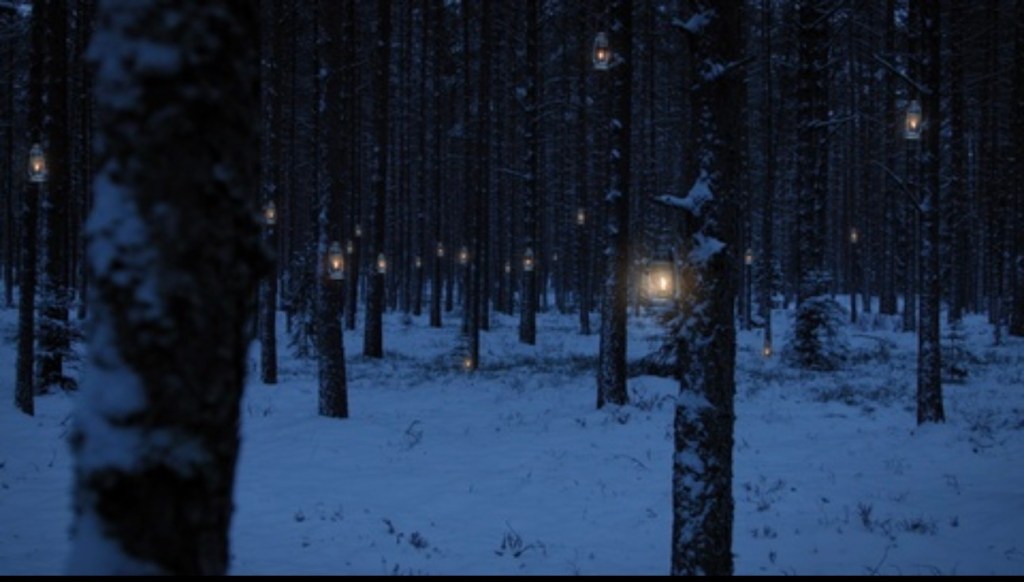
Disclaimer, I do not own the pictures.

Writers frequently report winter dreams that include:

  • Silent landscapes
  • Frozen or abandoned places
  • Familiar people behaving unlike themselves
  • Guardians, watchers, or veiled figures
  • Doors, thresholds, or journeys that feel unfinished

These images often translate directly into story beginnings, character backstories, or themes of survival and change.

From Dream to Story Seed

Winter dreams rarely give you a full plot. Instead, they offer fragments—and fragments are powerful.

A single image might become:

  • A setting that won’t let you go
  • A character who feels emotionally distant but deeply loyal
  • A magic system tied to restraint or sacrifice
  • A conflict rooted in survival rather than conquest

Because winter dreams tend to strip things down, they help writers uncover what a story is really about beneath the noise.

Ask yourself after a winter dream:

  • What emotion lingered the longest?
  • Was the dream quiet or tense?
  • Did the dream feel protective, mournful, or watchful?
  • Was something being preserved rather than destroyed?

These answers often point to the emotional core of a new story.

What Is a “Winter Soul” Character?

A Winter Soul character isn’t defined by coldness—they’re defined by containment.

These are characters who:

  • Feel older than their years
  • Hold their emotions tightly
  • Observe more than they speak
  • Protect others quietly
  • Carry grief, guilt, or responsibility without complaint

They are often mistaken for being distant or unfeeling, but in truth, their emotional depth runs dangerously deep.

Common Winter Soul archetypes include:

  • The guardian who stays behind while others move on
  • The ruler who values stability over glory
  • The survivor who learned early how to endure
  • The mage whose power grows stronger through restraint
  • The lover who waits rather than pursues

Winter Souls don’t burn brightly—they endure.

The Psychology Behind Winter Souls

From a personality perspective, Winter Souls often emerge from:

  • Early responsibility or emotional neglect
  • Trauma that required stillness rather than action
  • Cultures or roles where survival depended on silence
  • Deep loyalty shaped by loss

In fiction, these characters resonate because they mirror real emotional experiences: people who learned that survival meant holding on rather than acting out.

They also create incredible tension in stories—because when a Winter Soul finally moves, the impact is seismic.

Writing Winter Souls Well

To write a Winter Soul authentically:

  • Let silence do some of the work
  • Show care through action, not words
  • Use restraint as a form of strength
  • Give them boundaries they rarely cross
  • Make their breaking point meaningful

Winter Souls don’t need dramatic speeches. Their power lies in what they don’t say—and what they protect at all costs.

Why Writers Are Drawn to Winter Energy

Many writers—especially those who live with chronic illness, trauma, or emotional exhaustion—naturally align with winter energy.

Winter doesn’t demand constant productivity.

It honors rest.

It values reflection.

It understands cycles.

Winter stories give us permission to write about:

  • Slowness
  • Healing
  • Waiting
  • Survival
  • Quiet resilience

And winter dreams remind us that even when nothing seems to be happening, something important is forming beneath the surface.

Final Thought: Winter Is Not an Ending

Winter dreams don’t arrive to shut stories down—they arrive to prepare them.

They ask you to listen.

To sit with the image.

To trust the quiet.

And Winter Soul characters exist to remind us that strength doesn’t always roar.

Sometimes, it waits.

Sometimes, it watches.

Sometimes, it survives long enough to change everything.

If your stories feel winter-born, you’re not behind—you’re incubating something powerful.

❄️✨Happy Writing ^_^

2025 Months, December 2025, poetry, winter, Writing Prompts

❄️ 31 Winter Writing Prompts for December: Spark Your Creativity All Month Long

Winter invites a special kind of magic into our writing lives. There’s something about the cold air, early sunsets, warm blankets, and glimmers of holiday lights that makes our imaginations stir in a different way. December, especially, brings a mix of nostalgia, anticipation, quiet reflection, and festive energy.

If you’ve been looking for inspiration for your December stories, journaling, or daily writing practice, this list is here to guide you. Whether you’re working on fiction, creative nonfiction, poetry, worldbuilding, or holiday-themed scenes, these prompts will carry you through the entire month with fresh creative sparks.

Use them as warm-up exercises, blog post ideas, story starters, or mini challenges. Let them be soft invitations—nothing strict, nothing overwhelming. Just gentle winter encouragement to keep your creativity alive.


🎄 31 Winter Writing Prompts for December for All Genres (Including Holiday Ideas)

1. A quiet December morning is shattered by an unexpected visitor who arrives with news that can’t wait.

2. A character finds a forgotten gift hidden in an attic—one that was never meant to be opened.

3. The first major snowstorm of the season forces enemies, ex-lovers, or strangers to work together.

4. A winter festival is interrupted by a strange omen that only one person understands.

5. Someone begins receiving anonymous holiday cards with clues to a decades-old mystery.

6. A magical creature appears only during the longest night of the year, offering a deal that feels too dangerous to accept.

7. A character tries to recreate a childhood holiday tradition that goes hilariously or disastrously wrong.

8. On the coldest night of the year, a miracle occurs—but only one person witnesses it.

9. A December power outage forces a family or group of friends to reconnect in unexpected ways.

10. A ghost returns on the anniversary of their death, asking for help completing unfinished winter business.

11. A cozy cabin retreat becomes complicated when a storm traps the characters inside with rising tension.

12. A holiday market vendor discovers one of their handmade items has magical effects on customers.

13. A character receives a winter prophecy that predicts something they desperately want to avoid.

14. A treasured heirloom ornament breaks—and releases something trapped inside.

15. A winter road trip takes a strange turn when the GPS leads them somewhere not on any map.

16. Two characters bond while helping a stranded animal survive the December cold.

17. A character’s seasonal job (mall worker, delivery driver, Santa performer, etc.) becomes the catalyst for an unexpected adventure.

18. A holiday dinner brings out a family secret none of them were prepared for.

19. A character dreams of a winter world that feels more real than their waking life.

20. A December comet passes overhead, granting one wish—but at a cost.

21. During a winter solstice celebration, time freezes for everyone except one character.

22. A stranger gives the protagonist a meaningful gift that changes the course of their life.

23. A character tries to complete 12 acts of kindness before the holiday ends—but one act leads them into danger.

24. A magical snowfall reveals hidden messages, footprints, or portals.

25. A lonely holiday turns into a turning point when someone unexpected knocks on the door.

26. A winter illness spreads through town, but the cure lies in a forgotten piece of folklore.

27. A character finds an old letter in a winter coat—written by someone they’ve never met.

28. A December breakup leads the protagonist to rediscover themselves in a surprising way.

29. A holiday party becomes the stage for a confession that changes everything.

30. A rare winter creature appears only once every 100 years—but this time, it’s searching for someone specific.

31. On New Year’s Eve, a character gets one final chance to rewrite a regret before midnight strikes.

2025 Months, Milestones, November 2025, poetry

🌱 Grow Your Stories With Writing Seeds

Writing doesn’t always begin with a perfect idea. Sometimes beginning feels overwhelming, especially when life is busy, your energy is low, or your creativity is stretched thin. That’s where writing seeds come in.

Writing seeds are small, gentle idea starters — tiny sparks of inspiration that give you just enough direction to begin without pressure.

They’re helpful because:
They take away overwhelm. You don’t need a whole plot — just a spark.
They’re fast and simple. Pick one and write for five minutes.
They work even when your brain is tired. Great for low-energy days.
They help your creativity grow naturally. A small idea can bloom into something big.
They fit every genre and writing style. Romance, fantasy, memoir, poetry — all of it.

A writing seed is a beginning.
A doorway.
A possibility.

And from that small moment, your next story can grow.


A Gentle Guide + What’s Inside Each PDF & Bundle

Some days, writing flows. Other days, the blank page feels heavy. Writing seeds help you reconnect to creativity with softness and simplicity. Each PDF contains 50 handcrafted writing seeds, beautifully formatted for journals, planners, writing sessions, and creative warm-ups.

Here’s a look at all the individual collections and themed bundles now available.


💗 Romance Writing Seeds

Meet-cutes, slow burns, emotional sparks, and heart-first moments.

🔍 Mystery Writing Seeds

Clues, puzzles, secrets, twists, and atmospheric tension.

👻 Paranormal Writing Seeds

Ghostly encounters, cursed objects, hauntings, and supernatural tension.

🧒 Young Adult Writing Seeds

Identity, friendships, reinvention, growth, conflict, and coming-of-age arcs.

🏺 Historical Writing Seeds

Court politics, artisan life, rebels, secrets, and forgotten histories.
🔗 Payhip link coming soon

✍️ Memoir + Creative Nonfiction Seeds

Healing, memories, identity, personal truth, resilience, and self-reflection.

📚 Nonfiction Writing Seeds

Mindset, lifestyle, creativity, productivity, and everyday growth topics.

🌙 Poetry Writing Seeds

Nature, emotions, imagery, transformation, and lyrical inspiration.

🚀 Sci-Fi Writing Seeds

Futurism, AI, space exploration, alternate worlds, tech mysteries, and cosmic wonder.

🩸 Horror Writing Seeds

Dread, hauntings, eerie transformations, tension, and unsettling concepts.

🏙️ Urban Writing Seeds

City shadows, neon magic, rooftop secrets, contemporary fantasy, and gritty realism.

🏰 High Fantasy Writing Seeds

Quests, prophecies, kingdoms, magic systems, ancient lore, and heroic arcs.

🖤 Dark Fantasy Writing Seeds

Curses, forbidden power, gothic magic, shadow worlds, and tragic transformations.

Fantasy Writing Seeds

A blend of classic fantasy sparks: enchanted forests, magical creatures, unlikely heroes, etc.


⭐ Themed Writing Seed Bundles

These bundles bring together multiple PDFs into simple, affordable sets for writers who love exploring specific types of stories.


❤️ Heart & Heritage Storytelling Bundle — $8

Stories of love, identity, memory, family, and emotional truth.
A warm, grounded bundle perfect for writers who want to explore heart-centered storytelling.

🧒 50 Young Adult Writing Seeds
❤️ 50 Romance Writing Seeds
🏺 50 Historical Writing Seeds


👻 Spooky Real-World Bundle — $9

Haunted corners, eerie atmospheres, mysterious objects, and everyday life touched by the supernatural.
Perfect for cozy horror, spooky short stories, and atmospheric fall writing.
 Includes:

👻 50 Paranormal Writing Seeds
🕵️‍♂️ 50 Mystery Writing Seeds
🩸 50 Horror Writing Seeds


✏️ Real-World Writers Bundle — $10

Grounded writing seeds for memoirists, bloggers, contemporary authors, and anyone writing about real-life emotions or experiences.

🧒 50 Young Adult Writing Seeds
🏺 50 Historical Writing Seeds
✍️ 50 Memoir + Creative Nonfiction Seeds
📚 50 Nonfiction Writing Seeds


📝 Creative Nonfiction Starter Bundle — $8

A gentle, reflective set for personal storytelling, journaling, and exploring your lived experiences with compassion and honesty.
✍️ 50 Memoir + Creative Nonfiction Seeds
📚 50 Nonfiction Writing Seeds
🌙 50 Poetry Writing Seeds


🌑 Dark & Mysterious Bundle — $10

A moody, atmospheric bundle filled with shadow magic, eerie mysteries, gothic themes, and dark fantasy tension.
Perfect for writers drawn to the edge of the unknown.
👻 50 Paranormal Writing Seeds
🩸 50 Horror Writing Seeds
🕵️‍♂️ 50 Mystery Writing Seeds
🏙️ 50 Urban Writing Seeds


Myth, Magic & Shadow Bundle — $10

A powerful 4-pack for writers who crave magic, mystery, and world-shaping storytelling.
Whether you’re building an epic fantasy saga, a dark magical world, a paranormal mystery, or a romantasy series, this bundle gives you endless sparks for your next story.
🦋 50 High Fantasy Writing Seeds
🖤 50 Dark Fantasy Writing Seeds
👻 50 Paranormal Writing Seeds
🐉 50 Fantasy Writing Seeds


✨ A Final Word for You, Writer

Your stories matter.
Your voice matters.
And you deserve writing tools that meet you with softness, clarity, and inspiration.
Writing seeds remind you that you don’t have to create something huge today.
You just need a seed — a beginning.
Let your imagination grow gently, bravely, and in your own time.
Your next story is waiting for you.

Happy Writing ^_^

2025 Months, November 2025, poetry, winter

❄️ The Archetype of the Winter Witch / Winter Guardian

A Creative Exploration for Writers, Worldbuilders, and Myth-Makers

Winter has always carried a dual nature—both stark and sacred. It is a season of stillness and survival, a landscape where breath becomes visible and every sound feels sharper in the cold. It’s no wonder that writers across centuries have turned to winter figures—the Winter Witch, the Frost Guardian, the Snow Priestess, the Keeper of the Cold—to represent inner and outer worlds shaped by silence, endurance, and transformation.

Today, we step into this archetype and explore how you can bring your own Winter Witch or Winter Guardian to life in your fiction, poetry, or personal mythology.

🌙 What Is the Winter Witch / Winter Guardian Archetype?

This archetype embodies solitude, protection, clarity, and necessary transformation. Unlike the stereotyped “ice queen,” the Winter Witch isn’t heartless. She is selectively warm, offering her fire only to those who respect the cold’s lessons.

A Winter Guardian may be:

  • A mystical figure who protects a frozen realm
  • A witch whose magic thrives in snow, starlight, and silence
  • A guide who teaches characters what must be released before new beginnings
  • A keeper of old knowledge preserved in frost, bone, and memory
  • A spirit who ushers in stillness so time can heal, transform, or realign

This archetype is powerful because winter is both harsh and regenerative. It kills what cannot endure but shelters what is meant to bloom again.

❄️ Traits of the Winter Witch / Winter Guardian

Your winter archetype might hold:

1. Stillness & Clarity

Winter strips the world down to what truly matters.

Your Winter Witch may see truths others overlook.

Your Winter Guardian may perceive hidden intentions.

2. Threshold Magic

Winter is a doorway between seasons, old and new, death and rebirth.

They may be entrusted with boundaries—forest borders, ancient seals, the veil between worlds.

3. Protective Instincts

Not aggressive, but unyielding.

Their protection might feel cold because it is honest, direct, and necessary.

4. Harsh Mercy

Winter teaches through difficulty.

This archetype may push characters to face:

  • their buried wounds
  • their unspoken fears
  • their deepest, most honest truths

5. Ancestral Memory

Winter preserves what time tries to erase.

This archetype may remember histories others have forgotten—or want to forget.

🕯️ Symbolism Connected to This Archetype

Use these to deepen your character, scenes, or magic system:

Natural Symbols

  • Snowflakes (uniqueness, fragility hiding strength)
  • Ice (preservation, truth made visible)
  • Evergreen trees (endurance, quiet life in the dark)
  • Winter animals (wolves, owls, white stags, foxes)

Spiritual & Emotional Symbols

  • Withdrawal for healing
  • The moment before change
  • Frozen emotions that must thaw
  • Silence as a teacher
  • Protecting the spark of hope in darkness

Materials & Magical Tools

  • Frost crystals
  • Silver bells
  • Moonlit snow water
  • Obsidian and smoky quartz
  • Cloaks woven from starlight or the aurora

🔥 The Winter Witch as a Character Archetype

The Secluded Healer

A witch who brews warmth into the cold, guiding characters toward healing through quiet ritual.

The Guardian of an Ancient Winter Realm

Sworn to protect portals, ley lines, mountain passes, or frozen ruins.

The Last of Her Lineage

Carrying a bloodline tied to winter magic—rare, powerful, and feared.

The Reluctant Protector

Not chosen, but called. She stands against darkness because no one else can.

The Witch Who Judges by Deeds, Not Words

Insightful, calm, and deeply intuitive—a mirror that forces others to see themselves clearly.

❄️ The Winter Guardian as a Mythic Role

This figure isn’t always human.

They may be:

  • A spirit bound to a northern wind
  • A wolf made of pale flame
  • A fallen star that took human form
  • An immortal bound to a snow-covered temple
  • A deity’s emissary who oversees the cyclical death of the season

Guardians represent duty, balance, and cosmic timing.

They are the hinge upon which the winter world turns.

📚 Writing Prompts: Create Your Own Winter Witch / Winter Guardian

Here are 10 prompts you can use in your story, journal, or worldbuilding notes:

  1. A Winter Witch whose magic can sense lies in the air temperature meets someone whose presence refuses to warm or cool.
  2. A Winter Guardian protects a sacred glacier that holds the memories of a dying world.
  3. Snow stops falling in your world. The Winter Witch awakens after centuries—angry.
  4. A young witch is told she must survive one winter alone in the frozen woods to awaken her ancestral power.
  5. A Winter Guardian whose heart has literally turned to ice begins to thaw after encountering a stranger with forgotten magic.
  6. A condemned criminal is offered redemption by serving a lone winter sentinel for a year.
  7. A Winter Witch keeps a lantern that can guide lost souls home—but it only works on the longest night of the year.
  8. A Winter Guardian is the only one who knows why an eternal winter was created.
  9. A prophecy says the Winter Witch must choose who survives the coming blizzard—an impossible choice.
  10. A Winter Guardian is dying, and the world must choose their replacement… but winter magic chooses someone unexpected.

🌨️ How Writers Can Use This Archetype

For Fiction Writers:

Build atmosphere, create powerful character arcs, invent myth systems tied to frost or winter stars.

For Poets:

Explore themes of silence, endurance, cold truth, and the intimacy of winter nights.

For Memoir or Personal Journaling:

Use the archetype to understand the “winter seasons” of your life—times of rest, reflection, or rebuilding.

For Worldbuilders:

Tie winter magic to:

  • elements (ice, air, moonlight)
  • deity cycles
  • ancestral rites
  • hidden winter kingdoms

This archetype is incredibly versatile—and emotionally rich.

🌙 Final Thoughts

The Winter Witch and the Winter Guardian aren’t merely characters; they’re reflections of the season’s deep truth:

Winter is not a dead season. It is a sacred pause.

It is the breath before creation, the silence that helps us hear ourselves, the moment where hidden seeds wait for spring.

When you write your winter figure—whether gentle, fierce, aloof, or protective—remember that they carry the transformative magic of the cold:

honesty, endurance, preservation, and quiet power.

Happy Writing ^_^

2025 Months, November 2025, poetry

Sunday Afternoon Writing Challenge (All Genres + Poetry)

Sunday afternoons are slow, warm, and full of quiet clarity — perfect for creativity.
This challenge is designed to help you capture that mood across multiple genres.
Choose one prompt per day, or pick a few to spark your next scene, chapter, or poem.


🌿 1. Contemporary Fiction Challenge

Prompt:
Write a scene where two characters spend a slow Sunday afternoon together without any major events happening — yet something quietly shifts between them.

Focus:
Use sensory detail (light, warmth, texture) to show the change rather than dialogue.


🏞️ 2. Fantasy Challenge

Prompt:
A magical creature, guardian, or mage experiences a rare peaceful Sunday in their world.
During this stillness, they notice something small — an omen, a shadow, a flicker of magic — that hints at what comes next in the story.

Focus:
Blend tranquility with subtle worldbuilding clues.


🔮 3. Paranormal Romance Challenge

Prompt:
A human and supernatural character share a quiet afternoon ritual: reading, cooking, repairing a weapon, brushing out wings — anything that lets their closeness grow.

Focus:
Let softness and vulnerability replace the usual tension or danger.


🌆 4. Urban Fantasy Challenge

Prompt:
Your protagonist walks through the city on a quiet Sunday, seeing supernatural traces that most people miss. Something unnoticed on weekdays becomes obvious in the stillness.

Focus:
Contrast slow, mundane energy with sparks of the magical.


💔 5. Romance Challenge

Prompt:
Write a tender Sunday moment where a small action — making coffee, folding laundry, brushing hair out of someone’s face — reveals a deeper feeling neither character has yet named.

Focus:
Show emotion through gesture and atmosphere instead of confession.


🕯️ 6. Horror Challenge

Prompt:
A character spends a lazy Sunday at home when the quiet starts feeling too quiet.
The sunlight slants strangely… or the shadows move slower than they should.

Focus:
Use stillness to build dread, not jump-scares.


🌌 7. Science Fiction Challenge

Prompt:
In a future world or aboard a spaceship, Sunday afternoons are preserved as a tradition.
Write the ritual — and show how something small goes wrong or reveals a deeper truth.

Focus:
Blend human nostalgia with futuristic detail.


🌾 8. Historical Fiction Challenge

Prompt:
Set your scene in a historical era of your choice. Write a Sunday ritual — church hymns, markets, sewing circles, letters from faraway — and let a quiet realization surface through it.

Focus:
Let period-specific details shape the atmosphere.


🎭 9. Drama / Literary Challenge

Prompt:
A character tries to rest on a Sunday afternoon but keeps circling a decision they’re afraid to make.
They do everyday tasks — watering plants, tidying books — as emotional avoidance.

Focus:
Layer internal tension beneath a calm exterior.


📓 10. Memoir Challenge

Prompt:
Describe a Sunday afternoon from your childhood or adolescence.
Focus on one vivid sensory detail — a smell, a sound, a light — and build the scene around it.

Focus:
Let emotion rise gently, without forcing it.


🖊️ 11. Creative Nonfiction Challenge

Prompt:
Write about a Sunday afternoon that changed your perspective in a small but meaningful way — an unexpected conversation, a calm moment, or a forgotten ritual you revisited.

Focus:
Use reflective voice and layered insight.


✍️ 12. Poetry Challenge

Prompt:
Write a poem titled “Sunday, in Soft Gold.”
Use images of:

  • slanting light
  • warm floors
  • dust motes
  • breath slowing
  • nostalgia
  • quiet rituals

Focus:
Let the poem feel unhurried.
Let the white space breathe.


Bonus: 5 Quick Sunday Afternoon Mini-Prompts

  • A cup of tea grows cold during a moment that changes everything.
  • A character finds an old journal while cleaning their space.
  • Two rivals accidentally spend a quiet afternoon together.
  • A supernatural being tries to understand why humans love Sundays.
  • A memory rises uninvited with the scent of warm laundry.

Happy Writing ^_^

May 2025, poetry, writing-tips

🌸 May Flowers Poetry & Fiction Challenge 🌸

Welcome, writers and dreamers! May is in full bloom, and with it comes the perfect excuse to stretch your creativity and let your words blossom. Whether you’re a poet, a fiction writer, or someone who simply loves to play with language, this month’s May Flowers Challenge is here to inspire you.


🌷 Poetry Challenge: Blooming with Names

Your task?
Write a poem—any form or style you like—that includes the names of five different flowers. You can use them literally or symbolically, as metaphors or characters, in celebration or in grief. Let your creativity run wild.

Examples of flower names to get you started:

  • Lavender
  • Rose
  • Lily
  • Dahlia
  • Jasmine
  • Marigold
  • Iris
  • Camellia
  • Peony
  • Sunflower

Prompt Idea:
What if each flower represented a stage of love, loss, or growth?


🌼 Fiction Challenge: Petals and Plot Twists

Feeling prosy instead of poetic? Here’s your fiction version:
Write a flash fiction or short story where five flowers appear—in objects, names, settings, or even as characters. Bonus points if each flower holds symbolic meaning in your story.

Story Sparks:

  • A florist who solves mysteries through flower meanings
  • A letter sent with a bouquet, each bloom carrying a secret message
  • A garden that only blooms under moonlight, revealing a hidden truth

📝 How to Join

  • Share your piece in the comments or tag me if you’re posting it on your own blog or social media.
  • Use the hashtag #MayFlowersChallenge so we can all read and uplift each other’s creations.
  • You can participate in either or both challenges—poetry or fiction!

Let the fragrance of language and imagination fill your pages. I can’t wait to see what blossoms from your mind!

Which flowers will you choose, and what stories do they tell?

Happy Writing ^_^

February 2025, poetry, Writing Challenges, writing-tips

How Poetry and Songwriting Can Strengthen Your Fiction (And Vice Versa)

When we think about writing fiction, we often focus on plot, character development, and world-building. But fiction writing is not the only form of creative writing that can sharpen our storytelling skills. Poetry and songwriting, with their emphasis on rhythm, emotion, and concise imagery, can be powerful tools for fiction writers. Likewise, storytelling techniques from fiction can elevate poetry and songwriting, making them more impactful.

In this post, we’ll explore how these different forms of writing can influence and strengthen one another.

How Poetry Enhances Fiction Writing

1. Stronger, More Evocative Language

Poetry thrives on vivid imagery and precise word choice. When writing fiction, using poetic techniques—such as metaphor, alliteration, and sensory details—can create more immersive scenes and memorable prose. For example, instead of saying, “The wind was strong,” a poetic approach might be:

“The wind howled through the trees like a restless spirit searching for home.”

This level of description can make fiction more engaging and emotionally resonant.

2. Rhythm and Flow in Prose

Great fiction has a natural rhythm. Whether it’s the punchy sentences of a thriller or the lyrical descriptions in literary fiction, sentence structure impacts how a story feels. Poetry helps writers develop an ear for the musicality of language, improving dialogue, narration, and pacing.

3. Deep Emotional Expression

Poetry often condenses emotions into a few powerful lines. Learning to express deep emotions in fewer words can make fiction more impactful. Instead of over-explaining a character’s feelings, poetic techniques allow for subtlety and depth.

4. Symbolism and Theme

Poets often use symbolism and layered meanings to create depth in their work. Fiction writers can apply the same techniques to enrich themes and motifs in their stories, making them more thought-provoking.


How Songwriting Enhances Fiction Writing

1. Stronger Dialogue and Character Voice

Song lyrics often focus on rhythm and tone, making them an excellent practice for writing dialogue. Just as a songwriter has to make lyrics flow naturally while conveying emotion, fiction writers must ensure their characters’ voices feel authentic and unique.

2. Concise Storytelling

A song tells a complete story in just a few verses. This skill translates well into fiction, especially for writing compelling short stories or impactful scenes. Learning to express a story in limited space helps cut unnecessary fluff from fiction.

3. Emphasizing Mood and Atmosphere

Songs create moods through melody and lyrics. Fiction writers can borrow this technique by using specific word choices, pacing, and sensory details to set the tone of their scenes. Whether it’s the loneliness of a rainy night or the euphoria of falling in love, bringing musicality to fiction makes it more immersive.

4. Understanding Repetition and Cadence

Refrains in songs reinforce themes and emotions. Fiction writers can use a similar approach through repeated motifs, recurring lines, or mirrored scenes, making their storytelling more cohesive.


How Fiction Writing Strengthens Poetry and Songwriting

While poetry and songwriting can enhance fiction, the reverse is also true. Fiction teaches skills that benefit poets and songwriters in return.

1. Building a Narrative

Fiction writers are skilled at structuring plots and developing characters. These storytelling elements help poets and songwriters craft lyrics or poems that tell a compelling story rather than just capturing a fleeting moment.

2. Developing Complex Characters

Writing fiction requires deep character development, and this skill can help songwriters create more nuanced and relatable lyrical personas. Songs like “Jolene” by Dolly Parton or “The Night We Met” by Lord Huron tell stories with strong characters, making them emotionally gripping.

3. Creating Engaging Worlds

Poetry and songwriting often focus on emotion, but fiction teaches world-building, adding depth to poetic imagery and lyrical storytelling.

4. Mastering Pacing

Fiction writers understand how to build tension and resolve conflicts. This can be applied to poetry and songwriting by structuring stanzas or verses to build toward a climax, making them more dynamic.


Bringing It All Together

If you’re a fiction writer, experimenting with poetry and songwriting can help you develop a stronger voice, richer descriptions, and more compelling dialogue. If you’re a poet or songwriter, borrowing storytelling techniques from fiction can add depth and narrative strength to your work.

Try This: A Crossover Writing Exercise

  • Take a short scene from your fiction and rewrite it as a poem or song.
  • Write a poem and then expand it into a short story.
  • Analyze your favorite song lyrics and try turning them into a brief story.

By blending these creative forms, you’ll become a more versatile writer and deepen your storytelling skills. So whether you’re writing novels, poems, or songs, keep experimenting—you never know where inspiration might strike!

January 2025, poetry, writing-tips

Crafting Stories with Poetry: How Two Forms of Writing Inspire Each Other

As a writer, I’ve found that poetry and fiction can work together in surprising and powerful ways to improve my craft. At first, I thought they were completely different—poetry seemed like a lyrical, emotional expression, while fiction felt more structured, with its plots and characters. I assumed poetry was free-flowing and abstract, while fiction demanded precision and planning. But the more I experimented, the more I realized they can complement each other beautifully.

When I write poetry, I focus on the rhythm of words, and the emotions they evoke. Poetry taught me to see the world through a magnifying glass, noticing things I might otherwise overlook—like the way sunlight catches on a spider’s web or the distant hum of traffic late at night. This attention to detail has made my fiction richer. Instead of describing a scene as “the sky was blue,” I might write, “the sky stretched endlessly, a canvas of soft, watercolor blues dappled with golden light.” Poetry has taught me to slow down and paint pictures with my words, adding layers of meaning and emotion.

On the other hand, fiction pushes me to think about the bigger picture. Stories need structure—characters, conflict, and resolution. When I apply that mindset to poetry, it helps me create pieces that aren’t just beautiful but also tell a story or convey a deeper meaning.

Another thing I’ve noticed is how poetry improves my dialogue in fiction. Poetry is all about word choice and rhythm, and when I write dialogue, I’m more mindful of how people speak—the cadence, the pauses, and even the unsaid words. This makes my characters feel more alive and authentic. For instance, a character’s hesitation might be reflected in a fragmented sentence, or their excitement in a rapid, rhythmic flow of words.

Likewise, fiction gives me the space to develop characters and explore their inner worlds in ways that poetry can’t always do. But when I take those character insights and infuse them into a poem, it’s like I’m distilling their essence into something pure and powerful.

So if you’re a writer, I encourage you to explore both poetry and fiction. Or any form of art that inspires you to be more creative. Let them influence each other and see how they can transform your work. You never know what might come from it.

Happy Writing ^_^