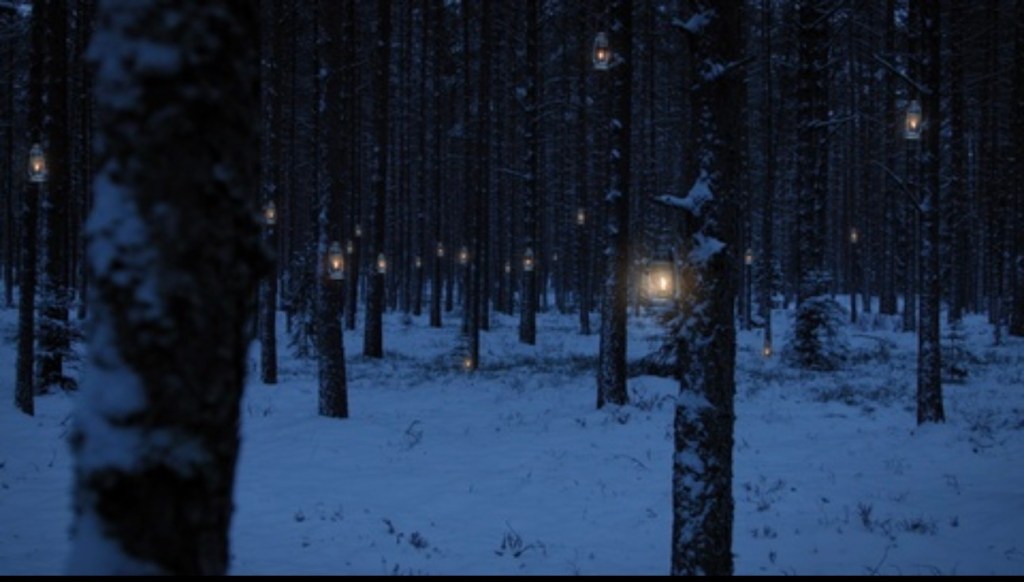
July 2025, Writing Challenges

Pick a Summer Object – Write Its Secret Backstory

Have you ever picked up a seashell and wondered where it’s been? Or held a pair of sunglasses and imagined the stories they could tell? One of my favorite ways to shake up a writing slump or explore new story ideas is to start small—really small. Like… object-sized.

Today’s prompt is all about reimagining the ordinary. I want you to pick a summer object—something simple and seasonal like a beach towel, popsicle stick, pair of flip-flops, or even a garden hose—and give it a secret backstory.

Why This Works for Writers

Giving objects a hidden history helps you:

  • Strengthen your world-building muscles
  • Develop empathy and creative thinking
  • Spark new characters or plots from unexpected angles
  • Practice writing from unusual perspectives

Plus, it’s just fun.

Writing Prompt:

Pick a Summer Object – Write Its Secret Backstory

  1. Choose a summer-themed object (real or imagined).
  2. Ask: Where did it come from? Who owned it before? What hidden purpose might it have? Did it witness something strange?
  3. Now write its secret history. Go weird, go heartfelt, go magical, go mysterious—whatever feels right.

Need a Few Ideas?

  • A beach umbrella that was cursed during a summer solstice storm.
  • A cooler that keeps things cold… because it’s a portal to an ice realm.
  • A pair of flip-flops once worn by a runaway mermaid.
  • A sandcastle bucket that once belonged to a sea witch’s apprentice.
  • A sunhat that stores someone’s forgotten memories in its woven brim.

Try This Twist:

Write the story from the object’s perspective. What does the sunhat see? What does the beach ball remember? What does the garden gnome regret?

Final Tip:

Don’t overthink it. Let your imagination stretch. This is the kind of playful creativity that can lead to powerful story seeds.


🖋️ Your Turn:
What summer object are you giving a backstory to? Share your mini story or opening lines in the comments—or tag me if you post it elsewhere!

Happy writing ^_^

July 2025, Summer Writing, Writing Challenges

Writing Prompt: A Heatwave Awakens a Forgotten Power

Summer heat can do strange things—warp the air, slow time, and stir something ancient just beneath the surface. For today’s writing prompt, we’re leaning into that surreal energy. What if the heatwave wasn’t just uncomfortable… but supernatural?

Here’s your prompt:


Writing Prompt: A Heatwave Awakens a Forgotten Power

The heatwave hits harder than ever before. Temperatures soar, power grids strain, and everything wilts under the unrelenting sun. But something else wakes with the rising heat—an old, buried magic or power that has long been dormant.

Your character didn’t know it was inside them. Or maybe they buried it on purpose. But now, with each rising degree, something begins to burn under their skin.

Is it a blessing? A curse? A long-lost inheritance?

Write the moment it first awakens.


Need Ideas to Get Started?

  • Your character lives in a city where the sun has turned oppressive. A dream leads them to an ancient well that steams under the full sun, and when they touch it… the power floods back.
  • A young teen passes out from heatstroke and wakes up with memories that aren’t theirs—and the ability to manipulate heat and flame.
  • The local lake is drying up, revealing carvings on the lakebed. When your character investigates, they hear whispers that only grow louder the hotter it gets.
  • A witch sealed away her fire magic decades ago after a tragedy. Now, the heatwave triggers flashbacks and spontaneous magic surges that she can’t control.
  • The town’s elders speak of a prophecy: “When the sky burns and time slows, the ember-soul will return.” Guess who’s running a fever?

A Few Reflection Questions

  • What does your character feel physically as the power awakens? Is it painful? Euphoric? Confusing?
  • How do they react—fight it, embrace it, deny it?
  • Is the power connected to nature, ancestry, a forgotten god, or something else?
  • What happens next? Who’s watching?

Let the heat simmer in your story. Let the tension rise with the temperature. Whether you turn this into a short piece, a scene for your novel, or a flash fiction experiment, explore the possibilities of what awakening power feels like—especially when the world outside is melting.

If you use this prompt, tag me or share a line in the comments—I’d love to see what sparks for you!

Happy Writing ^_^

July 2025, Summer Writing, Writing Challenges

Write a Story with These 5 Random Summer Words

Ever get stuck staring at a blank page, waiting for inspiration to strike? Sometimes all you need is a little spark—and today, that spark comes in the form of five completely random, summer-inspired words. Your challenge? Use them all in one story.

Whether you’re writing flash fiction, a scene for your novel, or just warming up your creativity, this exercise will help shake loose any lingering writer’s block. Let’s dive in!


☀️ Your 5 Random Summer Words:

  1. Popsicle
  2. Tide
  3. Lantern
  4. Whistle
  5. Mirage

🖋️ Writing Challenge:

Write a short story, scene, or snippet that includes all five words in some meaningful way. You can twist them metaphorically, drop them into dialogue, or build a setting around them—just make sure they’re all there.

Want an extra challenge? Set a timer for 15 minutes and freewrite without stopping.


🌊 Example Starter:

The popsicle melted too quickly, dripping sticky red trails down Ella’s wrist as she watched the tide roll in. Somewhere behind her, a lifeguard’s whistle cut through the hum of beachgoers, but she barely noticed. Her eyes were locked on the strange shimmer just beyond the dunes—a mirage, maybe, or something more. As the sun dipped lower, someone lit a lantern on the pier, its glow catching her attention just long enough to make her question what she’d really seen.


💡 Tips to Get Started:

  • Think about setting first: A beach? A campsite? A summer carnival?
  • Use the words to inspire conflict or mood—a lost item, a ghostly mirage, a memory tied to a summer scent.
  • Let one word anchor the tone. For example, “whistle” might suggest suspense, while “popsicle” could evoke nostalgia.

✨ Share Your Work

Tag me or leave a comment with your story! I’d love to see how you used these words.

Happy writing ^_^ and may your summer be full of creativity and surprise!

July 2025, Self Care, writing-tips

Reflecting on My Writer Identity This Season

Every season brings a shift—not just in weather, but in energy, routine, and perspective. As summer stretches into its hottest days, I’ve found myself slowing down and turning inward. This quiet, almost reluctant pause has led me to reflect on something I don’t always make time for:

Who am I right now as a writer?

Not who I was when I first started writing fanfiction in a spiral-bound notebook. Not who I’ll be when I finally finish that long-awaited draft. But who I am today—in the middle of messy drafts, evolving routines, and shifting creative goals.

And maybe you’re asking yourself the same thing.

I’m Not the Same Writer I Was a Year Ago

This season, I’ve noticed how much my writing has changed—not just in style, but in intention. I’ve become more focused on emotional arcs and less worried about perfection. I’ve stopped trying to “write like someone else” and leaned into my own voice, even when it trembles.

Where I used to chase big word counts, now I chase meaningful moments. A single line of dialogue that clicks into place. A spark of worldbuilding that feels alive. A character choice that surprises me in the best way.

What’s Shaping Me Now

Right now, my writer identity is being shaped by:

  • Stillness – Embracing slower creative days and letting silence be part of the process.
  • Feedback – Learning to hear critique without shrinking.
  • Curiosity – Asking “What if?” more often and following the strange, sparkly paths that question opens.
  • Community – Surrounding myself with other writers who get it—the highs, the doubts, the unshakable love for storytelling.

Questions I’m Asking Myself This Season

If you’re also in a reflective mood, here are a few questions I’ve been journaling through:

  • What stories feel most urgent for me to tell right now?
  • How has my voice changed since last season—or last year?
  • What patterns keep showing up in my writing (and in my resistance)?
  • What do I need more of—and less of—to write in a way that feels aligned?

A Gentle Reminder

It’s okay if your writer identity isn’t neat or clear-cut. We’re always in flux. Always becoming. And sometimes, the most powerful thing we can do is pause and say:

This is who I am right now. And that’s enough.

Wherever you are in your journey—drafting, resting, dreaming—I hope you take a moment to reflect, honor your growth, and give yourself permission to keep evolving.

You’re not behind. You’re becoming.

Happy Writing ^_^

July 2025, writing-tips

Writing Fears and How to Beat Them

Even the most dedicated writers wrestle with fear. It can be paralyzing, sneaky, or disguised as “just being careful.” But the truth is: fear is often the biggest thing standing between you and your finished story.

Today, let’s talk about common writing fears—and practical ways to beat them.


1️⃣ Fear of Not Being Good Enough

What it sounds like:

“My writing sucks.”
“Why bother? No one will want to read this.”

How to beat it:

  • Remember: First drafts aren’t meant to be perfect. Their job is to exist.
  • Practice self-compassion. Talk to yourself like you would a friend.
  • Find trusted beta readers or a writing group to offer supportive feedback.

Tip: Try writing a “bad” version of your scene on purpose. It frees you to experiment.


2️⃣ Fear of Being Judged

What it sounds like:

“People will hate this.”
“My friends/family will think I’m weird.”

How to beat it:

  • Decide who you’re really writing for. You? A reader who’ll love your weird ideas?
  • Set boundaries. You don’t have to share everything with everyone.
  • Remember that no story will please every reader—and that’s okay.

Tip: Write like no one will read it. You can always edit before sharing.


3️⃣ Fear of Running Out of Ideas

What it sounds like:

“What if I get stuck?”
“What if I can’t think of anything new?”

How to beat it:

  • Keep an idea notebook. Jot down prompts, dreams, overheard lines.
  • Read widely outside your genre. Inspiration hides everywhere.
  • Free-write for 5–10 minutes without stopping to see what surfaces.

Tip: Ideas grow when you use them. Don’t hoard them—explore them.


4️⃣ Fear of Failure

What it sounds like:

“What if I try and it’s terrible?”
“What if I publish and no one buys it?”

How to beat it:

  • Redefine success: Finishing is success. Growing is success.
  • Recognize that “failure” is data. You learn what to improve.
  • Study the many successful authors who faced rejection and kept going.

Tip: Make failing part of the plan. Set goals you can fail at so you learn and get better.


5️⃣ Fear of the Blank Page

What it sounds like:

“I don’t know how to start.”
“It’s too overwhelming.”

How to beat it:

  • Break big goals into small, easy steps.
  • Set a timer for 10–15 minutes and write anything.
  • Start anywhere in the story. You don’t have to write in order.

Tip: Tell yourself it’s a draft no one will see. Silence the inner critic.


Final Thoughts

Fear is part of the writing process. It shows you care. But it doesn’t have to stop you.

By naming your fear and giving yourself practical tools to move through it, you can reclaim the joy of writing.

You deserve to tell your story.

Which writing fear hits you the hardest? How do you deal with it? Share in the comments.

Happy Writing ^_^

July 2025, Writing Prompts

15 Shadow Creature Writing Prompts

Shadows have always been a source of mystery and fear—perfect inspiration for dark fantasy, horror, or even paranormal romance stories. Today, I’m sharing 15 shadow creature writing prompts to spark your imagination and help you create something hauntingly memorable.

Whether you’re looking for monsters, antiheroes, or tragic cursed beings, these prompts will help you dive into the dark.


1️⃣ The Mirror Shade

A creature that lives only in reflections, waiting for someone to gaze too long so it can trade places with them.


2️⃣ The Hungry Fog

A sentient mist filled with writhing shadow forms that devour anything in their path, leaving only silence behind.


3️⃣ The Living Shadow

A loyal shadow that rebels against its owner, manifesting into a physical being with its own desires and rage.


4️⃣ The Whisper Collector

A creature that feeds on secrets spoken in darkness, growing stronger and more dangerous the more it knows.


5️⃣ The Grave-Tethered

A shadow creature bound to a specific grave, able to roam only at night and drawn back to the tomb at dawn.


6️⃣ The Lantern Warden

A shadow that protects travelers in exchange for their memories, guiding them safely but leaving them hollow.


7️⃣ The Shadebound Familiar

A sorcerer’s creation that can possess shadows of others, forcing them to act against their will.


8️⃣ The Forgotten One

A creature born from all the memories people have tried to forget, haunting the places where trauma lingers.


9️⃣ The Veil-Torn

A being that slipped through the barrier between worlds, appearing as a shapeless, shifting shadow with an unknowable mind.


1️⃣0️⃣ The Soul Echo

A fragment of a dead person’s soul, surviving as a shadow with unfinished business and violent intentions.


1️⃣1️⃣ The Night’s Herald

A massive winged shadow beast that flies overhead before disasters, believed to be an omen—or the cause.


1️⃣2️⃣ The Candle Devourer

A creature drawn to light, snuffing out flames to plunge its victims into darkness where it hunts unseen.


1️⃣3️⃣ The Cloaked Judge

An ancient shadow that passes silent judgment on liars, cursing them to speak only truth or lose their voice entirely.


1️⃣4️⃣ The Riftling

A small, intelligent shadow creature that can slip through any crack, serving as a spy, thief, or assassin.


1️⃣5️⃣ The Bound Shade

A shadow forced into servitude by magical runes, but constantly seeking a way to break free and turn on its master.


Bonus Prompt

Write a scene where your character discovers their own shadow is missing—and learns it has made a pact without them.


Final Thoughts

Shadow creatures can be terrifying, tragic, or oddly sympathetic. Don’t be afraid to explore their motivations and rules. Are they cursed souls? Natural predators? Loyal protectors? The shadows hold endless possibilities.

Which of these prompts would you write first? Share your thoughts in the comments.

Happy Writing ^_^

July 2025, WorldBuilding TIps

Fantasy Worldbuilding in 5 Questions

Worldbuilding is one of the most exciting—and daunting—parts of writing fantasy. It’s easy to get lost in the details and forget what really matters: creating a world that feels real to your readers.

If you’re looking for a simple way to get started, try answering these 5 essential worldbuilding questions. They’ll help you focus on the parts of your world that shape your story most.


1️⃣ What Makes Your World Different?

This is the heart of fantasy! Ask yourself: What sets my world apart from the real one?

  • Does it have magic? How does it work?
  • Are there mythical creatures or races?
  • Is the geography strange or extreme?
  • Is it inspired by a particular historical era or culture?

The clearer you are about what makes your world unique, the easier it is to immerse your readers.


2️⃣ How Does Power Work?

Every world has systems of power, even if magic doesn’t exist.

  • Who has authority? Kings, councils, guilds?
  • How is magic regulated or restricted?
  • Are there class systems, castes, or social hierarchies?
  • Is power maintained through fear, respect, wealth, or something else?

Answering this grounds your world in conflict and tension—the lifeblood of stories.


3️⃣ What Do People Value?

Culture is more than aesthetics. It’s what people care about.

  • What virtues are prized? Honor? Wealth? Knowledge?
  • What taboos exist?
  • What religions, myths, or philosophies shape life?
  • What do people fear?

Defining these details helps you create authentic societies that feel alive.


4️⃣ How Do People Live Day to Day?

Small details make a world feel real.

  • What do people eat?
  • How do they travel?
  • What does a home look like?
  • How do they work, celebrate, or mourn?

You don’t need to answer everything, but think about your main cultures and settings. Readers love little glimpses of everyday life that make them believe in the world.


5️⃣ How Does Your World Shape Your Characters?

Your world isn’t just a backdrop—it shapes your characters’ beliefs, choices, and conflicts.

  • How does your protagonist fit (or clash) with the culture?
  • What laws or traditions hold them back?
  • What resources or dangers shape their journey?

Remember: worldbuilding is at its best when it drives the story forward.


Final Thoughts

You don’t need a 300-page encyclopedia before you start writing. Even quick answers to these five questions can help you craft a world that feels vivid, grounded, and full of possibility.

So grab your notebook, brainstorm a bit, and see what emerges.

What’s your favorite worldbuilding question? Share it in the comments!

Happy Writing ^_^

Character Ideas, July 2025, Summer Writing

Creature Transformation Idea: The Heatwave Beast

Looking for a fresh way to spice up your fantasy or horror writing? Let’s explore a creature transformation idea perfect for summer-themed worldbuilding or fiery magical settings: The Heatwave Beast.

What is the Heatwave Beast?

The Heatwave Beast is not a fixed species but a transformation triggered by extreme heat. Imagine a human, elf, or any sentient being who, under relentless sun and scorching temperatures, undergoes a monstrous metamorphosis. It’s part elemental, part curse, and part survival adaptation—making it ripe for storytelling conflict.

Core Concept

  • The transformation is involuntary, often tied to temperature thresholds.
  • Once transformed, the being radiates unbearable heat.
  • Their body may become cracked like scorched earth, glow like embers, or appear made of molten rock.
  • Their mind might be consumed by primal rage or survival instinct, losing higher reasoning.

Ideas for Using the Heatwave Beast in Your Story

1️⃣ As a Tragic Curse

Your character is a desert wanderer who feared the old tales of the Heatwave Beast—until the curse strikes them. Now they must find a way to reverse it before they hurt those they love.

2️⃣ As a Cultural Rite

In a harsh desert society, selected warriors undergo the Heatwave transformation willingly for war. But there’s a cost: after the battle, few can return to human form with their sanity intact.

3️⃣ As a Natural Disaster Personified

Perhaps your world experiences annual heatwaves so severe they awaken dormant Heatwave Beasts from beneath the sand—turning the environment itself into a monster.

4️⃣ As a Symbolic Metaphor

Use the transformation as a metaphor for anger, revenge, or unchecked power. A character burns with rage—literally—and their loss of control becomes physical.

Visual Inspiration

  • Skin glowing with cracks of magma
  • Hair turning to flame or smoke
  • Eyes like twin suns
  • Heat shimmer distorting their silhouette
  • Dried, cracking ground beneath their feet as they walk

Questions to Explore

  • Can the transformation be controlled? Suppressed?
  • Is it contagious or inherited?
  • Does the transformation drain life from the land?
  • Are there rituals or spells to end it?

Writing Prompt

Write a scene in which your character feels the first signs of the Heatwave Beast’s transformation. How do they try to stop it? How do others react?


If you’re looking to write summer-inspired fantasy, post-apocalyptic survival, or elemental magic systems, the Heatwave Beast is a rich idea for drama, horror, and tragedy alike.

What do you think—would you use a creature like this in your story? Share your thoughts in the comments.

Happy Writing ^_^

July 2025, writing-tips

How to Write Travel Scenes That Transport Your Reader

Travel scenes can do so much for your story: show character development, reveal world-building details, heighten conflict, or simply let your reader experience someplace new and vivid. But if you’re not careful, they can also become aimless filler or long-winded descriptions that stall the plot.

Here’s how to write travel scenes that really work.


1. Know the Purpose of the Journey

Before you write it, ask: Why is this travel scene in your story?

  • Is it to build tension?
  • Show a character’s reaction to new surroundings?
  • Convey world-building details?
  • Deliver important character interaction?

A strong travel scene always does something specific. Avoid treating travel as just “getting from A to B” on the page unless something meaningful happens along the way.


2. Show, Don’t Tell the Setting

Readers want to experience the journey. Instead of telling them it was “a long, hard trip,” show them:

✅ The blistering sun baking the desert road
✅ The crowded, noisy caravan with coughing passengers
✅ The damp smell of moss in the foggy forest

Use sensory details: sight, sound, touch, smell, taste. A few well-chosen images can make a place come alive without paragraphs of description.


3. Keep It Active

Avoid static travel scenes where nothing happens. Even if the physical motion is limited (like a sea voyage or carriage ride), you can:

  • Include dialogue that advances relationships or conflict
  • Drop in revelations or secrets
  • Show inner thoughts and doubts
  • Add small obstacles (bad weather, a breakdown, a lost path)

Active travel scenes create opportunities for drama.


4. Vary the Pacing

Travel can feel slow in real life, but your writing shouldn’t. Decide what parts you want to highlight in detail and what can be skipped or summarized.

  • Summarize boring stretches quickly.
  • Slow down for dramatic events, conversations, discoveries.

Example:

They rode for three uneventful days before the mountains finally appeared on the horizon. But on the fourth morning, they woke to find their guide missing.

This keeps readers engaged while maintaining the journey’s sense of distance.


5. Use the Journey to Reveal Character

Travel takes people out of their comfort zone. How does your character react to:

  • Hardships and discomfort?
  • Unexpected cultures or landscapes?
  • New travel companions?

Show growth, conflict, fear, wonder. A journey is a perfect test of your character’s strengths and flaws.


6. Incorporate World-Building Naturally

Instead of an “info dump,” let details of your world emerge through travel:

  • The customs at a border checkpoint
  • The architecture of distant cities
  • The languages, foods, or festivals of new lands

Your reader should feel like they’re exploring with the characters, not reading a guidebook.


7. Don’t Forget the Emotional Journey

Travel is not only about geography—it’s about transformation.

  • Is your character fleeing something? Chasing something? Searching for something inside themselves?
  • How does the physical journey reflect the emotional arc?

A strong travel scene often mirrors the internal journey, making it feel essential to the story.


Final Thoughts

Well-written travel scenes don’t just move your characters around—they enrich your world, deepen your characters, and immerse your reader in the experience.

Next time you write a journey, ask yourself:

✅ Why does this scene matter?
✅ How can I show this place vividly?
✅ How does this move the story or character forward?

Your readers will thank you for the trip.


📌 Have you written travel scenes you’re proud of (or struggled with)? Share your thoughts in the comments!

Happy Writing ^_^