2025 Months, December 2025

How to Fall Back in Love With Writing

There are seasons when writing feels like oxygen—and seasons when it feels heavy, distant, or even painful.

If you’ve been staring at a blank page wondering where your love for writing went, you’re not broken. You’re human. Creativity isn’t a straight line; it’s a relationship. And like any relationship, it goes through cycles of closeness, distance, grief, and rediscovery.

Falling back in love with writing doesn’t require discipline, punishment, or forcing yourself to “push through.” It asks for curiosity, gentleness, and permission to meet yourself where you are now—not where you used to be.

First: Release the Guilt

Many writers stop writing not because they stopped loving stories—but because writing became tangled with pressure.

Deadlines. Expectations. Algorithms. Productivity rules. Comparison.

If writing only exists as something you should be doing, your nervous system will resist it.

Try this reframe:

You don’t owe writing productivity.
Writing doesn’t expire because you rested.
Your creativity isn’t gone—it’s resting or protecting you.

Let go of the version of yourself who wrote “more” or “better.” You are not required to be them again.

Return to Writing Without an Audience

One of the fastest ways to reconnect with writing joy is to remove the idea of being read.

Write something that:

  • No one will ever see
  • Doesn’t need to be good
  • Has no goal beyond existing

This could be:

  • A letter to a character you miss
  • A paragraph describing a place you love
  • A scene that makes no sense but feels alive
  • A messy journal entry about why writing feels hard

When you stop performing, writing often remembers how to breathe.

Shrink the Doorway Back In

If writing feels overwhelming, it’s usually because the doorway is too big.

Instead of:

  • “I need to write a chapter”
  • “I should finish this draft”
  • “I have to be consistent”

Try:

  • 5 minutes
  • 1 paragraph
  • 3 sentences
  • A single image or line

Falling back in love happens in small, safe moments—not grand commitments.

Consistency comes after connection, not before.

Reconnect With What Made You Write in the First Place

Ask yourself gently:

  • What kinds of stories made me fall in love with reading?
  • What themes do I return to again and again?
  • What emotions do I want to explore, not impress with?

You might discover that your interests have shifted—and that’s okay.

You don’t have to write what you used to love.
You’re allowed to fall in love with something new.

Let Writing Be a Companion, Not a Task

Writing doesn’t have to be productive to be meaningful.

Try letting writing exist as:

  • A way to process the day
  • A place to put emotions you don’t have words for yet
  • A quiet ritual instead of a goal

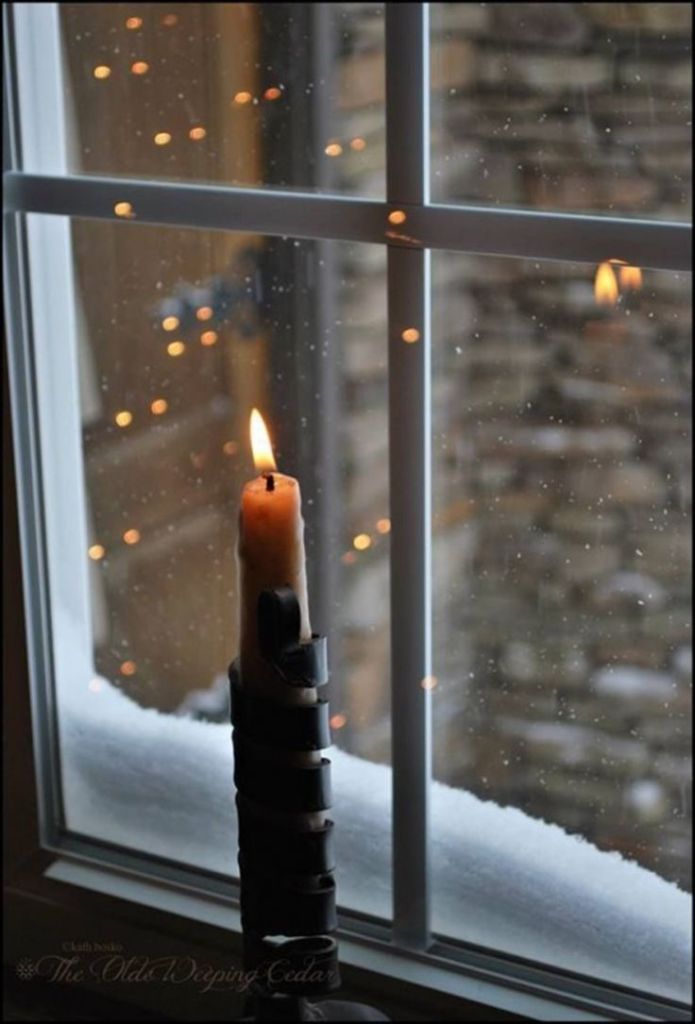
Light a candle. Sit somewhere comfortable. Write slowly.

You’re not “getting back on track.”
You’re rebuilding trust with your creativity.

Follow the Spark—Even If It Makes No Sense

Sometimes the thing that brings writing back isn’t the project you think you should be working on.

It might be:

  • A random worldbuilding note
  • A poem instead of prose
  • Fanfiction
  • Writing prompts
  • A single character voice that won’t leave you alone

Follow what feels warm, curious, or alive—even if it feels unproductive.

Love doesn’t grow in cages.

Remember: Writing Loves You Too

Writing isn’t judging how long you’ve been gone.
It isn’t keeping score.
It isn’t disappointed in you.

It’s still there—quietly waiting for you to show up as you are today.

You don’t need to fall back in love all at once.
You just need one honest moment at a time.

And if all you can do today is want to write again?

That’s already the beginning.

Happy Writing ^_^
2025 Months, December 2025

Creative Fatigue: How to Tell When You Need Rest, Not Discipline

We live in a world that treats discipline like a cure-all.

If you’re stuck, you must not be trying hard enough.
If you’re tired, you must be inconsistent.
If you haven’t written in days—or weeks—you must need stricter rules.

But for many writers, especially those navigating chronic illness, burnout, emotional labor, or long creative seasons, the problem isn’t a lack of discipline.

It’s creative fatigue.

And the solution isn’t pushing harder.
It’s learning how to rest without guilt.


What Creative Fatigue Actually Is

Creative fatigue isn’t laziness. It isn’t failure. And it isn’t a lack of passion.

Creative fatigue happens when your creative well is depleted, not blocked.

It often shows up when you’ve been:

  • Emotionally processing heavy material
  • Writing through stress, illness, or survival mode
  • Forcing productivity without replenishment
  • Ignoring your body’s signals for “just one more push”

Unlike procrastination, creative fatigue doesn’t disappear when you sit down and try harder. In fact, pushing through it often makes the exhaustion worse.


Signs You Need Rest (Not Discipline)

Here are some gentle signals that your creativity is asking for care, not correction:

1. Writing Feels Physically Heavy

Not just mentally difficult—but draining. Your shoulders tense. Your chest tightens. Your body resists.

That’s not avoidance. That’s fatigue stored in the nervous system.

2. You Want to Write—but Can’t Sustain Focus

You still love your story. You still think about it. But your attention slips after a few minutes, leaving you foggy or overstimulated.

This often means your brain needs recovery time, not stricter schedules.

3. Everything You Write Feels “Wrong”

When fatigue sets in, self-criticism gets louder. Sentences feel flat. Ideas feel dull. You may start believing you’ve “lost it.”

You haven’t. You’re just tired.

4. You’re Only Motivated by Guilt

If the only thing pulling you toward the page is shame—I should be writing—that’s a sign discipline is being used as a weapon instead of a support.

Creativity doesn’t thrive under punishment.

5. Rest Feels Uncomfortable or “Unproductive”

If rest makes you anxious, restless, or guilty, it’s often because you’ve been trained to equate worth with output—not because rest isn’t needed.


Discipline vs. Devotion

Discipline says: Show up no matter what.
Devotion asks: What does showing up look like today?

Sometimes devotion looks like:

  • Writing 300 messy words
  • Journaling instead of drafting
  • Reading instead of producing
  • Doing nothing—and letting your nervous system settle

Rest is not the opposite of commitment.
It’s part of the creative cycle.

Winter is not a failure of spring.


What Rest Can Look Like (Without Abandoning Your Identity as a Writer)

Rest doesn’t mean giving up on your work. It means changing how you relate to it.

Here are restorative alternatives to “push through it” writing:

  • Micro-writing: one sentence, one image, one line of dialogue
  • Sensory refills: music, nature sounds, lighting a candle, touching textures
  • Creative adjacency: reading in your genre, collecting images, daydreaming
  • Low-stakes writing: notes, voice memos, character feelings instead of plot
  • Intentional pauses: choosing rest on purpose, not as a failure response

These keep the creative thread alive without draining what little energy you have.


When Discipline Is Helpful

Discipline has a place—but only when your body and mind have capacity.

It works best when:

  • You feel rested but distracted
  • Fear—not exhaustion—is the main barrier
  • You need structure, not recovery

The key question isn’t “Am I being disciplined enough?”
It’s “Am I resourced enough?”


A Gentle Reframe

You don’t need to earn rest by burning yourself out.
You don’t need to prove your devotion through suffering.
You don’t need to punish yourself back into creativity.

Sometimes the bravest creative choice is to pause—and trust that your stories will return when you do.

Because they always do.


Reflection Prompt (Optional for Readers)

Ask yourself:

If I treated my creativity like a living thing instead of a machine, what would it be asking for right now?

Happy Writing ^_^

2025 Months, December 2025

Letting Go of Guilt When You Don’t Write Daily

Somewhere along the way, many writers absorbed a quiet but powerful belief:

Real writers write every day.

And when we don’t—when life gets heavy, energy runs low, or words simply won’t come—we feel it creep in.

Guilt.
Shame.
That nagging sense that we’re “falling behind” or failing our creative selves.

But here’s the truth that deserves to be said clearly and often:

You are still a writer even when you don’t write daily.

The Myth of the Daily Writing Rule

Daily writing works beautifully for some people. For others, it becomes a source of pressure that drains creativity instead of nourishing it.

The problem isn’t consistency—it’s rigidity.

When writing becomes a rule instead of a relationship, guilt replaces curiosity. Creativity shrinks under obligation. And the inner critic grows louder with every missed day.

Writing is not a moral contract.
You are not “good” or “bad” based on your output.

Rest Is Not the Enemy of Creativity

Many writers—especially those navigating chronic illness, mental health challenges, caregiving, or burnout—need rhythms that allow for rest, pause, and recovery.

Rest is not quitting.
Rest is not laziness.
Rest is not betrayal.

Rest is where stories ferment.

Even on days you don’t write, your mind is still working:

  • Characters are evolving quietly
  • Scenes are reshaping themselves
  • Emotional truths are settling into place

That invisible work counts.

Guilt Often Comes From Fear

When guilt shows up, it’s usually guarding something tender underneath:

  • Fear of losing momentum
  • Fear of never finishing
  • Fear that the story will disappear if you don’t chase it daily

But stories that are meant for you don’t vanish because you rested.

They wait.

Redefining What “Showing Up” Means

Showing up to writing doesn’t always look like words on a page.

Sometimes it looks like:

  • Reading instead of drafting
  • Jotting a single line
  • Thinking about your world while doing dishes
  • Letting yourself stop before exhaustion turns writing into pain

Progress doesn’t have to be loud or visible to be real.

A Gentler Way Forward

If daily writing fuels you—keep it.
If it drains you—release it.

Try asking instead:

  • What pace supports my life right now?
  • What does my body and mind need from my creativity today?
  • How can writing feel like a refuge again instead of a demand?

You’re allowed to write in seasons.
You’re allowed to pause.
You’re allowed to come back softly.

You Are Not Behind

There is no universal writing clock.
No hidden scoreboard.
No creative police tallying your missed days.

Your worth as a writer is not measured in streaks.

It’s measured in your willingness to return—again and again—when you’re able.

And that return can be quiet.
It can be slow.
It can be imperfect.

Still counts.
Still valid.
Still yours.

Happy Writing ^_^

2025 Months, December 2025

December Shadow Work Prompts for Writers

Exploring the Quiet Truths Beneath the Story

December is not a loud month.

It’s a threshold—between years, between identities, between who we were and who we’re quietly becoming. The world slows. Nights lengthen. And the shadows—personal, emotional, creative—step closer, not to harm us, but to be seen.

For writers, December is an ideal time for shadow work: the practice of gently exploring the hidden, neglected, or misunderstood parts of ourselves and our stories. This isn’t about forcing revelations or digging up pain. It’s about listening. Witnessing. Allowing.

These prompts are designed to support soft, writer-friendly shadow work—especially for creatives who are sensitive, neurodivergent, chronically ill, or emotionally intuitive.

Take them slowly. You don’t need to answer all of them. One prompt, one paragraph, one quiet moment is enough.


🌑 What Is Shadow Work for Writers?

Shadow work in writing isn’t therapy (though it can be healing). It’s the art of asking:

  • What parts of myself keep showing up in my characters?
  • What themes do I avoid—or obsess over—without realizing why?
  • What truths want expression but feel “too much” or “not allowed”?

When we explore these questions through fiction, journaling, or hybrid reflection, we deepen not only our stories—but our creative trust in ourselves.


❄️ December Shadow Work Prompts

1. The Quiet Self

Write about a version of yourself—or a character—who only exists in winter.
What do they feel when no one is watching?
What truth do they carry that summer never sees?


2. The Fear Beneath the Block

When you don’t write, what are you protecting yourself from?
Name the fear without judging it.
Let it speak on the page.


3. The Part You Hide from Readers

What is something you believe, feel, or long for that never makes it into your stories?
Why do you think you keep it hidden?
What would happen if it appeared—just once?


4. The Villain Who Knows You

Create a character who understands your weaknesses intimately—but isn’t cruel about it.
What do they say that feels uncomfortably true?
What do they want you to admit?


5. The Ending You Avoid

Think of a story you’ve abandoned or can’t finish.
Write the ending it wants, not the one that feels safe.
You don’t have to keep it—just listen.


6. The Winter Wound

Write about an emotional wound that surfaces most strongly at the end of the year.
Give it a shape, a voice, or a mythic form.
What does it need, not to disappear—but to rest?


7. The Shadow Gift

Every shadow holds a gift.
What strength has grown from your struggles as a writer?
How does it quietly shape your voice?


8. The Threshold Moment

Write a scene where a character stands between two lives and must choose—even if the choice is imperfect.
What mirrors your own crossroads right now?


9. The Story You’re Afraid to Write

Name the story you’ve been circling but avoiding.
What part of you would it expose?
Write the first paragraph anyway. You can stop there.


10. The Promise to Yourself

End with a letter from your future self—one year from now.
What do they thank you for surviving?
What do they remind you not to abandon?


🌒 How to Use These Prompts Gently

  • You can journal, write fiction, poetry, or fragments
  • Set a 10–15 minute timer—no pressure to finish
  • Stop if emotions feel overwhelming; grounding is part of the work
  • You are allowed to write badly, quietly, imperfectly

Shadow work isn’t about productivity. It’s about presence.


✨ A Closing Thought

December doesn’t ask you to shine.
It asks you to listen.

To the stories that whisper instead of shout.
To the characters who carry your unspoken truths.
To the version of you that has survived this year—whether triumphantly or quietly.

Your shadows are not failures.
They are unwritten stories waiting for compassion.

Happy Writing ^_^

2025 Months, December 2025

December’s Threshold Energy: When Stories Want to Be Born

December doesn’t rush.
It pauses.

The year inhales and holds its breath—right here, in the narrow space between what has been and what has not yet arrived. This is threshold energy: the liminal moment where endings soften and beginnings whisper instead of shout.

If you’re a writer, you may feel it as a strange tension—quiet on the surface, electric underneath. Words feel close but not fully formed. Scenes flicker. Characters knock but don’t yet enter. You might feel tired and inspired at the same time.

That’s not a block.
That’s a doorway.


What Threshold Energy Really Is

In folklore and myth, thresholds are powerful places:
doorways, crossroads, twilight, solstices. They are moments where rules blur and transformation becomes possible.

December carries that same magic.

  • The old year loosens its grip
  • The new year hasn’t demanded anything yet
  • Time feels softer, slower, less linear

Creatively, this is when stories begin gestating, not drafting.

This is not the season of output.
This is the season of becoming.


Why Stories Choose December

Stories don’t always want speed.
Sometimes they want shelter.

December offers:

  • Darkness that invites inward listening
  • Quiet that allows subconscious ideas to surface
  • Permission to rest without abandoning creativity

Many writers feel guilt this time of year for not “doing enough.” But historically, winter was when people told stories, dreamed futures, and listened for omens.

Your imagination remembers this—even if your calendar doesn’t.


Signs a Story Is Being Born (Not Written—Yet)

You might be in threshold energy if:

  • You keep thinking about a character without knowing their plot
  • A single image or emotion keeps returning
  • You feel protective of an idea but not ready to explain it
  • Writing feels heavy, but thinking feels rich
  • You crave journaling, note-taking, or quiet walks instead of drafting

This is incubation, not avoidance.

And it matters.


How to Work With December’s Energy (Gently)

Instead of forcing productivity, try tending.

1. Create Containers, Not Goals

Light a candle. Open a notebook. Sit without expectation.
Let the story know it’s welcome—even if it stays silent.

2. Ask Softer Questions

Not “What happens next?”
But:

  • Who are you becoming?
  • What do you want me to understand?
  • What are you afraid of?

3. Write Sideways

Lists. Fragments. Letters. Mood notes.
December stories often arrive in pieces before they arrive whole.

4. Rest Without Guilt

Rest is not the opposite of creation.
In winter, rest is the method.


The Promise of the Threshold

January will ask you to move.
December asks you to listen.

If you honor this pause, your stories will step forward later with more clarity, depth, and truth. Not because you forced them—but because you gave them time to form.

Some stories need the dark to grow their bones.

So if you feel caught between exhaustion and inspiration right now, trust this:

You are not behind.
You are standing at the door.

And something is waiting on the other side. ✨

Happy Writing ^_^

2025 Months, December 2025

Low-Energy Writing Days: How to Keep Creativity Flowing

Some days, writing feels effortless. The words spill out, the characters speak clearly, and your imagination feels alive.

And then there are low-energy days—when your body is tired, your mind is foggy, or life has simply taken more than it’s given.

If you’ve ever thought, “I want to write, but I just don’t have it in me today,” this post is for you.

Low-energy days don’t mean you’re failing as a writer. They’re part of a sustainable creative life. Creativity doesn’t disappear when energy dips—it just changes shape.

Let’s talk about how to keep it flowing gently, without forcing or burning yourself out.


1. Redefine What “Writing” Looks Like

On high-energy days, writing might mean drafting thousands of words.

On low-energy days, writing can mean:

  • Jotting down a single sentence
  • Freewriting for five minutes
  • Brainstorming in bullet points
  • Highlighting a favorite line from something you’ve already written

Progress doesn’t have to be loud or dramatic. Quiet progress still counts.

Gentle reframe:
If you stayed connected to your story today—even briefly—you showed up as a writer.


2. Work With Your Energy, Not Against It

Low energy often comes with pressure: “I should be doing more.” That pressure drains creativity even faster.

Instead, ask:

  • What feels doable right now?
  • What feels comforting rather than demanding?
  • What would keep me close to my work without exhausting me?

Some low-energy-friendly options:

  • Reread a favorite scene you wrote
  • Outline instead of drafting
  • Dictate ideas instead of typing
  • Write notes to yourself about the story rather than the story itself

Creativity flows best when it feels safe, not forced.


3. Create a “Low-Energy Writing Menu”

Decision fatigue is real—especially when you’re tired.

Create a short list you can turn to on hard days, such as:

  • Write for 5 minutes, then stop
  • Answer one question about a character
  • Describe a setting using only sensory details
  • Write a messy paragraph no one else will see

When energy is low, knowing what to do matters more than doing a lot.


4. Let Curiosity Replace Productivity

Instead of asking, “How much did I write?” try asking:

  • What surprised me today?
  • What do I understand better about my story now?
  • What question am I curious about?

Curiosity is lighter than productivity—and often more powerful. It keeps the creative door open even when you don’t have the strength to walk through it fully.


5. Rest Is Part of the Creative Cycle

This part is important:

Rest is not the enemy of creativity.
Rest is one of its sources.

Low-energy days often signal a need—not a flaw. Sometimes the most creative thing you can do is step back, refill, and trust that your imagination is still working quietly in the background.

Stories grow even when you’re not actively writing them.


6. Trust the Long View

Writing isn’t built in perfect streaks or constant output. It’s built through showing up again and again—sometimes boldly, sometimes softly.

Low-energy days don’t erase your skill.
They don’t undo your progress.
They don’t mean you’ve lost your voice.

They simply ask you to listen differently.


A Gentle Reminder for Writers

You are allowed to write slowly.
You are allowed to write gently.
You are allowed to write imperfectly.

Creativity doesn’t require you to push past your limits to be real or meaningful.

Sometimes, keeping the flow alive means honoring where you are today—and trusting that tomorrow will meet you there.

Happy Writing ^_^

2025 Months, December 2025

How to Invent Your Own Winter Myths

For writers who want frostbitten magic, ancient echoes, and stories that linger like snowlight.

Winter myths feel older than other stories. They move slowly, breathe quietly, and carry the weight of survival, loss, and quiet magic. If you’ve ever wanted to create your own winter folklore—stories that feel as if they’ve always existed—this guide will walk you through how to invent them from the inside out.

Whether you write fantasy, dark romance, mythic fiction, or literary folklore, winter is one of the richest seasons for mythmaking.

1. Start With What Winter 

Means

 in Your World

Before you invent gods or spirits, define winter’s role.

Ask yourself:

  • Is winter a punishment, a protection, or a sacred rest?
  • Does it arrive naturally—or is it summoned, bargained for, or cursed?
  • Do people fear winter, honor it, or depend on it?

Winter myths often arise from:

  • Survival and scarcity
  • Silence and isolation
  • Death, rebirth, and transformation
  • Memory, grief, and endurance

Your myth should answer one quiet question:

What does winter demand from those who live through it?

2. Personify the Cold

Most winter myths turn the season into a being—not just weather.

Consider creating:

  • A Frost Mother who seals the ground to protect sleeping roots
  • A Snow King who walks the borders between life and death
  • Ice spirits who steal names instead of warmth
  • A winter guardian who chooses who survives the storm

Winter entities are often:

  • Emotionally distant but not cruel
  • Bound by ancient rules
  • More just than kind

Give your winter force a reason for its actions. Myths feel real when even the cold has motives.

3. Anchor the Myth to a Natural Phenomenon

Strong myths explain something people once couldn’t.

Tie your story to:

  • The first snowfall
  • Frozen rivers that sing at night
  • The aurora borealis
  • Black ice that appears without warning
  • Trees cracking in deep cold

Example:

The trees scream in winter because they remember the first frost spirit who shattered their roots.

When myths explain nature, they feel inevitable—like they were discovered, not invented.

4. Build a Ritual, Rule, or Warning

Winter myths are often instructional.

Ask:

  • What must people do to survive winter?
  • What must they never do?
  • What happens if they forget?

Examples:

  • Leave bread on windowsills for wandering snow spirits
  • Never whistle during a blizzard
  • Burn blue candles on the longest night
  • Do not follow footprints that appear after snowfall

Rules give your myth teeth. They also create instant plot hooks.

5. Let the Myth Be Incomplete

Real myths are fragmented.

They:

  • Contradict each other
  • Change by region
  • Lose details over time

Instead of explaining everything, allow:

  • Multiple versions of the same story
  • Unanswered questions
  • Forgotten names or broken endings

This creates the illusion of history—and invites readers to lean closer.

6. Root It in Human Emotion

The most powerful winter myths aren’t about cold.

They’re about:

  • Waiting
  • Longing
  • Loss
  • Endurance
  • Hope that refuses to die

Ask:

What human fear or desire does this myth carry through the snow?

Winter myths often exist to remind people:

  • They are not alone
  • Survival is sacred
  • Rest is not weakness
  • Spring is earned

7. Use Mythic Language, Not Modern Explanation

Tone matters.

Winter myths sound:

  • Quiet
  • Formal
  • Slightly distant
  • Almost prayer-like

Use:

  • Repetition
  • Simple sentences
  • Symbolic imagery
  • Timeless phrasing

Instead of:

“The storm was caused by magic.”

Try:

“The storm came because something had been forgotten.”

8. Turn the Myth Into Story Fuel

Once your myth exists, it can:

  • Shape your magic system
  • Influence laws or holidays
  • Haunt your characters
  • Become prophecy—or lie

Winter myths are especially powerful when:

  • Characters break their rules
  • Discover the truth behind them
  • Become part of the myth themselves

A Simple Winter Myth Seed (Use or Adapt)

*They say winter began when the world refused to rest.

The Frost Keeper closed her hands around the land and would not open them again until humanity learned to wait.*

You don’t need to invent a big myth.

You need to invent one that feels inevitable.

Final Thought

Inventing winter myths isn’t about creating something loud or dramatic.

It’s about creating something quiet, ancient, and patient—a story that waits beneath the snow until someone is ready to listen.

Happy Writing ^_^

2025 Months, December 2025

The Quiet Spell: Finding Creativity in Stillness

There is a myth that creativity arrives only in moments of intensity—late nights, racing thoughts, caffeine-fueled bursts of inspiration. That if you are not producing, striving, or actively doing, you are falling behind.

But creativity does not only live in motion.

Sometimes, it waits in stillness.

Stillness is not emptiness. It is not failure. It is not the absence of ideas.

Stillness is a quiet spell—one that softens the noise so something truer can rise.

Why Stillness Feels Uncomfortable for Writers

Many writers struggle with stillness because we have been taught to equate worth with output. Pages written. Words counted. Goals met.

When the mind slows, uncomfortable thoughts surface:

  • Am I losing my creativity?
  • Why don’t I feel inspired right now?
  • Everyone else seems to be writing—what’s wrong with me?

But creativity is cyclical. It inhales and exhales.

Periods of silence are not blocks—they are gestation.

Just as winter rests the land so it can bloom again, your creative spirit sometimes needs quiet to recalibrate.

The Magic Hidden in the Pause

Stillness allows you to hear the subtle things:

  • The emotional undercurrent beneath a character’s silence
  • The forgotten story idea waiting beneath exhaustion
  • The truth of what you actually want to write next

When you stop forcing words, your intuition steps forward.

This is where:

  • Deeper themes emerge
  • Characters grow more honest
  • Stories gain emotional weight

Stillness sharpens perception. It teaches restraint. It deepens voice.

How to Practice the Quiet Spell

You don’t need silence forever—just intentional pauses.

Here are gentle ways to invite stillness into your creative practice:

🌿 

Sit With an Idea Without Writing It

Let a story exist in your body before it exists on the page.

Notice what excites you. What feels heavy. What refuses to let go.

🌙 

Create Without Producing

Light a candle. Pull a tarot or oracle card. Journal one sentence.

Creativity does not always need to become a finished thing.

🍂 

Allow Sensory Stillness

Walk without headphones. Sit near a window. Breathe deeply.

Your senses are creative tools—even when your hands are idle.🖤 

Rest Without Guilt

Rest is not procrastination when it restores you.

A tired writer cannot access honest stories.

Stillness Is Not the End of Your Creativity

If you are in a quiet season right now, you are not broken.

You are listening.

The stories will return—changed, perhaps deeper, carrying something they could not have held before.

Trust the pause.

Honor the quiet.

Let the spell work.

Creativity does not vanish in stillness.

It gathers.

Happy Writing ^_^

2025 Months, December 2025

Winter Spirits Around the World — Folklore That Inspires Fantasy

Winter has always been more than a season. Across cultures, it is a living presence—watchful, testing, merciless, and sometimes deeply protective. Long before fantasy novels and modern myth-making, people told stories of winter spirits to explain the cold, honor survival, and warn against hubris.

For fantasy writers, these spirits are a treasure trove: beings shaped by ice and darkness, law and balance, hunger and endurance. Let’s journey through winter folklore from around the world—and explore how these ancient figures can inspire rich, emotionally grounded fantasy worlds.

❄️ Japan — Yuki-onna, the Snow Woman

Yuki-onna drifts through blizzards like a ghost of falling snow. Pale, beautiful, and deadly, she freezes travelers with her breath—or spares them, for reasons known only to her.

She is not merely a monster. In some versions, she falls in love, marries a mortal, or enforces strict promises. When those promises are broken, winter claims its price.

Fantasy Inspiration

• A winter spirit bound by oaths and emotional rules

• Beauty that masks lethal power

• A being torn between compassion and ancient instinct

Use her as a fae queen of snowfields, a cursed guardian of mountain passes, or a love interest whose mercy is as dangerous as her wrath.

🌲 Celtic Lands — The Cailleach

The Cailleach is the crone of winter—stone-faced, ancient, and powerful. She shapes mountains, commands storms, and rules the dark half of the year until spring dethrones her.

Unlike youthful frost spirits, the Cailleach embodies endurance and inevitability. She is winter as law, not emotion.

Fantasy Inspiration

An ancient titan or earth-bound goddess

• A seasonal ruler whose reign must end—but never truly dies

• A mentor figure who teaches survival through hardship

She works beautifully as a force older than gods, one who remembers worlds before warmth existed.

🌨 Slavic Regions — Morozko / Father Frost

Morozko walks through forests cracking ice with his staff. He rewards kindness and humility—and punishes greed and cruelty with deadly cold.

He is winter’s judge, not its villain.

Fantasy Inspiration

• A spirit who tests mortals under disguise

• Cold as a moral force rather than evil

• A god who blesses resilience over strength

Perfect for quest narratives, fairy-tale retellings, or morally complex deities who don’t care about intent—only action.

🏔 Norse Myth — Skadi, Goddess of Winter and the Hunt

Skadi thrives where others perish. Snowshoeing across mountains, hunting in silence, she is independence incarnate.

She represents a crucial winter truth: cold does not mean weakness.

Fantasy Inspiration

• A warrior goddess or ranger queen of frozen lands

• Winter as freedom rather than punishment

• A culture that reveres snow as strength

She’s ideal for worlds where winter clans dominate through adaptation, not cruelty.

🔔 Alpine Europe — Perchta & Frau Holle

Perchta walks midwinter nights inspecting homes and hearts. She rewards diligence and punishes laziness—sometimes violently. Frau Holle shakes snow from her feather bed, governing domestic order and seasonal balance.

They are both caretakers and executioners.

Fantasy Inspiration

• Spirits who govern hidden laws of society

• Winter as a time of judgment and reckoning

• Magical enforcers tied to tradition and ritual

Use them for dark folkloric fantasy, especially where magic punishes imbalance.

🌌 Why Winter Spirits Matter in Fantasy

Winter spirits are powerful because they aren’t just creatures—they’re philosophies:

• Survival over comfort

• Balance over mercy

• Truth revealed when warmth is gone

In fantasy, winter spirits often serve as:

• Gatekeepers to transformation

• Forces that strip characters to their core

• Symbols of grief, endurance, and rebirth

Winter does not ask who you want to be.

It reveals who you already are.

✍️ Writing Prompts: Winter Spirits Edition

1. A winter spirit spares a traveler—but binds them to return every winter forever.

2. The goddess of winter has grown tired of relinquishing her throne each spring.

3. A mortal child is raised by a snow spirit and must choose between worlds.

4. Winter spirits begin freezing emotions instead of bodies.

5. The spirit of winter falls in love—and winter refuses to end.

🌙 Final Thoughts

Winter spirits remind us that fantasy isn’t just escapism—it’s memory. These beings carry humanity’s oldest fears and hopes, carved into ice and shadow.

When you write winter into your stories, you’re not just adding snow.

You’re invoking survival.

You’re invoking truth.

You’re invoking transformation.

Happy Writing ^_^

2025 Months, December 2025

How Winter Dreams Shape New Story Ideas

and Why Some Characters Are “Winter Souls”: A Personality Deep-Dive

Winter has a way of quieting the world—and when the noise fades, the subconscious finally has room to speak.

For many writers, winter dreams arrive sharper, stranger, and more symbolic than dreams in other seasons. They linger after waking. They carry images that feel important, even if we don’t yet understand why. These dreams often become the seeds of new stories—or the deepening of characters who already exist.

And then there are the characters who seem born of winter itself. The ones who feel old, watchful, restrained, and powerful beneath the surface. These are what I call Winter Souls.

Let’s explore why winter dreams hit differently, how they shape story ideas, and what makes Winter Soul characters so compelling.

Why Winter Dreams Feel Different

In winter, life slows down. The natural world turns inward—and so do we.

Longer nights, deeper sleep cycles, and fewer external demands create ideal conditions for vivid dreaming. Psychologically and symbolically, winter represents:

  • Rest and dormancy
  • Memory and reflection
  • Death, transformation, and rebirth
  • Hidden strength
  • Thresholds between endings and beginnings

When you dream in winter, your mind often pulls from deep emotional layers—grief, longing, unspoken truths, and ancient archetypes.

These dreams aren’t usually chaotic. They’re precise. Sparse. Symbol-heavy. Like poetry written in snow.

Disclaimer, I do not own the pictures.

Writers frequently report winter dreams that include:

  • Silent landscapes
  • Frozen or abandoned places
  • Familiar people behaving unlike themselves
  • Guardians, watchers, or veiled figures
  • Doors, thresholds, or journeys that feel unfinished

These images often translate directly into story beginnings, character backstories, or themes of survival and change.

From Dream to Story Seed

Winter dreams rarely give you a full plot. Instead, they offer fragments—and fragments are powerful.

A single image might become:

  • A setting that won’t let you go
  • A character who feels emotionally distant but deeply loyal
  • A magic system tied to restraint or sacrifice
  • A conflict rooted in survival rather than conquest

Because winter dreams tend to strip things down, they help writers uncover what a story is really about beneath the noise.

Ask yourself after a winter dream:

  • What emotion lingered the longest?
  • Was the dream quiet or tense?
  • Did the dream feel protective, mournful, or watchful?
  • Was something being preserved rather than destroyed?

These answers often point to the emotional core of a new story.

What Is a “Winter Soul” Character?

A Winter Soul character isn’t defined by coldness—they’re defined by containment.

These are characters who:

  • Feel older than their years
  • Hold their emotions tightly
  • Observe more than they speak
  • Protect others quietly
  • Carry grief, guilt, or responsibility without complaint

They are often mistaken for being distant or unfeeling, but in truth, their emotional depth runs dangerously deep.

Common Winter Soul archetypes include:

  • The guardian who stays behind while others move on
  • The ruler who values stability over glory
  • The survivor who learned early how to endure
  • The mage whose power grows stronger through restraint
  • The lover who waits rather than pursues

Winter Souls don’t burn brightly—they endure.

The Psychology Behind Winter Souls

From a personality perspective, Winter Souls often emerge from:

  • Early responsibility or emotional neglect
  • Trauma that required stillness rather than action
  • Cultures or roles where survival depended on silence
  • Deep loyalty shaped by loss

In fiction, these characters resonate because they mirror real emotional experiences: people who learned that survival meant holding on rather than acting out.

They also create incredible tension in stories—because when a Winter Soul finally moves, the impact is seismic.

Writing Winter Souls Well

To write a Winter Soul authentically:

  • Let silence do some of the work
  • Show care through action, not words
  • Use restraint as a form of strength
  • Give them boundaries they rarely cross
  • Make their breaking point meaningful

Winter Souls don’t need dramatic speeches. Their power lies in what they don’t say—and what they protect at all costs.

Why Writers Are Drawn to Winter Energy

Many writers—especially those who live with chronic illness, trauma, or emotional exhaustion—naturally align with winter energy.

Winter doesn’t demand constant productivity.

It honors rest.

It values reflection.

It understands cycles.

Winter stories give us permission to write about:

  • Slowness
  • Healing
  • Waiting
  • Survival
  • Quiet resilience

And winter dreams remind us that even when nothing seems to be happening, something important is forming beneath the surface.

Final Thought: Winter Is Not an Ending

Winter dreams don’t arrive to shut stories down—they arrive to prepare them.

They ask you to listen.

To sit with the image.

To trust the quiet.

And Winter Soul characters exist to remind us that strength doesn’t always roar.

Sometimes, it waits.

Sometimes, it watches.

Sometimes, it survives long enough to change everything.

If your stories feel winter-born, you’re not behind—you’re incubating something powerful.

❄️✨Happy Writing ^_^