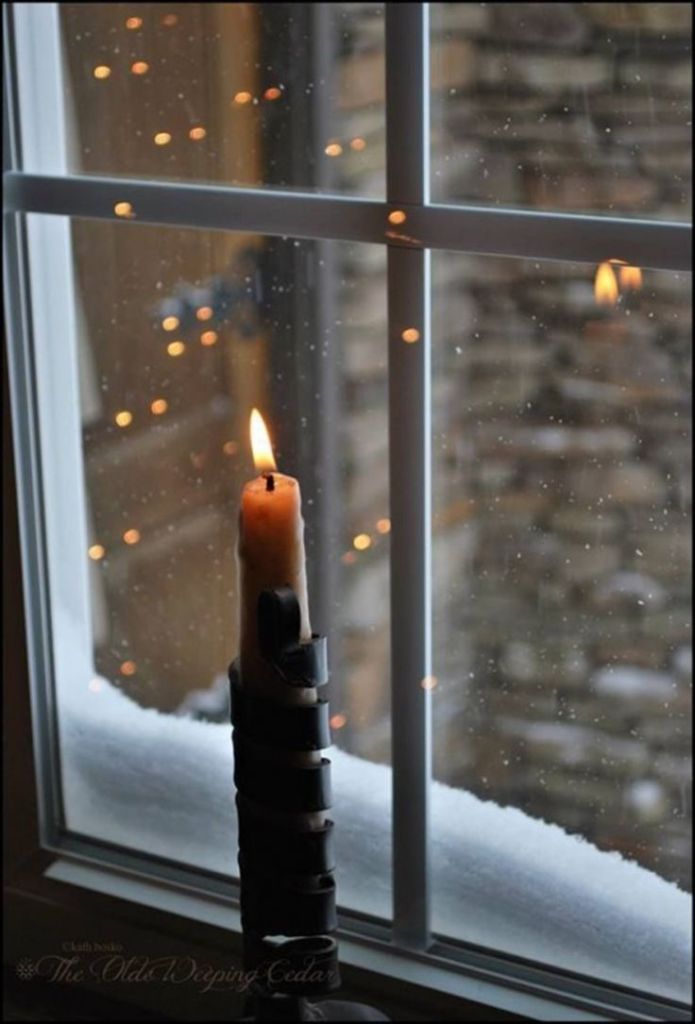
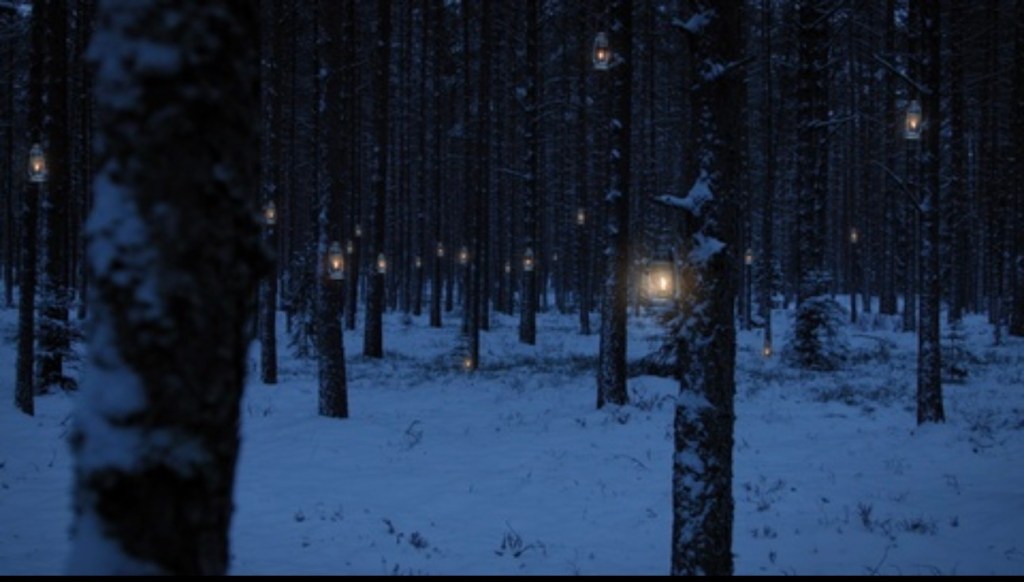
2025 Months, November 2025

Productivity Without Burnout: November Edition

Gentle routines for writers, creators, and Spoonie storytellers

November carries a unique kind of stillness—cold mornings, softer light, and a shift into introspection. It’s the month where creativity deepens but energy can dip, especially for writers balancing deadlines, chronic illness, emotional fatigue, or post-autumn burnout.

If October is the fire, November is the embers—the month that reminds us to slow down, refill, and create sustainably.

This guide shows you how to be productive without burning out, using November’s natural rhythms to your advantage.

🍂 Why November Is the “Reset Month” for Writers

November sits at a crossroads: it’s late enough in the year to feel tired, but early enough to want to finish strong. Creative pressure ramps up (hello NaNoWriMo), but daylight decreases.

For many writers—especially those with chronic pain, fatigue, ADHD, or emotional burnout—this month can feel like a tug-of-war.

Instead of pushing harder, November invites you to work differently.

1. The November Rule: Work With Your Energy, Not Against It

Your creativity isn’t a machine. It follows cycles. November’s quieter energy is perfect for:

✔ Slow drafting

✔ Worldbuilding with intention

✔ Editing in small, focused bursts

✔ Journaling and creative reflection

✔ Taking stock of your writing year so far

Instead of forcing long sessions, aim for micro-productivity:

  • 10 minutes of scene work
  • 5 minutes of notes
  • 1 paragraph of revision
  • 1 sentence brainstorm when fatigued

These moments add up—and they do so without draining your reserves.

2. Cozy, Low-Energy Routines That Boost Productivity

November productivity thrives on comfort and repeatable rituals.

🕯 Create a “November Nesting” Workspace

This can be as simple as:

  • A warm blanket
  • A cup of herbal tea
  • Soft yellow-light lamp
  • A playlist of rain, fireplaces, or soft lo-fi

Your environment becomes a gentle cue: Now we write.

📘 Use the Two-Task Method

Choose:

  1. One meaningful writing task (edit chapter 3, write 1 scene)
  2. One easy task (formatting, brainstorming names, rereading notes)

On low-energy days, do the easy task.

On higher-energy days, do both.

This builds consistency without pressure.

3. Spoonie-Friendly Creative Habits

For writers with chronic illness, November’s cold can increase pain, fatigue, and brain fog. These habits help maintain momentum gently:

✨ Warm-up rituals for the body and brain

  • Stretch hands, wrists, neck, and shoulders
  • Use a heating pad on your back or legs
  • Take 5 slow breaths to reset nervous system

✨ The 3-Sentence Safety Net

On flare days, write:

  • 1 sentence for your current scene
  • 1 sentence about a character
  • 1 sentence about your mood

You stay connected to your story without judgment.

✨ Build rest into your productivity

Rest → regulates inflammation

Rest → reduces brain fog

Rest → actually increases output

Burnout happens when rest is optional.

Sustainable creativity happens when rest is required.

4. November Time Blocks: Small, Cozy, Effective

These work beautifully for writers, students, and creatives:

• 15-minute Firelight Session

Write by lamplight or candlelight. No pressure, just create.

• 20-minute “Soup Simmer” Session

Start a slow cooker meal → write until the timer beeps.

• The Nightfall Journaling Pause (5–10 min)

Take stock of your mood, goals, progress, and gratitude.

• The Midday Reset (3 minutes)

Look away from screens, unclench jaw, release shoulders.

These micro-blocks improve productivity more than any marathon session ever could.

5. Planning for the Remainder of the Year—Gently

November is perfect for soft planning:

✔ What projects do you want to carry into winter?

✔ What can you release until next year?

✔ What needs a gentler pace?

✔ What small wins can you celebrate now?

Productivity is not about doing everything.

It’s about choosing the things that matter—and letting the rest wait.

You don’t have to earn your rest.

You don’t have to outrun burnout.

You don’t have to push through pain to be a “real” writer.

You just have to keep showing up in the ways you can.

6. A November Writing Challenge (Optional + Gentle)

If you want a burst of motivation without overwhelm, try this:

🍂 The 7-Day Cozy November Writing Challenge

Do one of these each day:

  1. Write 1 cozy or moody sentence.
  2. Set a tiny intention for your writing week.
  3. Revisit an old scene and polish 1 paragraph.
  4. Create a character mood board (5 images).
  5. Freewrite for 3 minutes.
  6. List 10 things your protagonist is afraid of.
  7. Choose 1 goal for December that feels gentle and possible.

Small. Manageable. Sustainable.

✨ Final Thoughts: Productivity Shouldn’t Hurt

November teaches us one truth:

You don’t need force. You need rhythm.

You don’t need hustle. You need warmth.

You don’t need burnout. You need balance.

Your creativity deserves a pace that honors your body, your energy, and your healing. This month, let productivity feel like a companion—not a burden.

Happy Writing ^_^

2025 Months, November 2025, Self Care

The Writer’s Self-Care Toolkit for Winter

How to protect your creativity, energy, and imagination during the colder months

Winter asks writers to slow down, breathe deeper, and listen to the quiet spaces inside ourselves. The days grow shorter, the light shifts, and our energy naturally changes. For many creatives, winter can be a season of rich imagination — but also of fatigue, emotional heaviness, or creative dormancy.

The truth is simple: writers need self-care just as much as we need inspiration. And winter is the perfect time to build a toolkit that supports both your body and your creative mind.

Below is a gentle, effective winter self-care toolkit designed specifically for writers — especially those balancing busy schedules, chronic illness, emotional exhaustion, or creative overwhelm.

❄️ 

1. Create a Warm Writing Ritual

Winter writing thrives on ritual. You don’t have to write more — you have to write more intentionally.

Try:

  • A warm drink beside you (herbal tea, ginger tea, broth, or hot chocolate)
  • A soft blanket or fuzzy socks
  • A comforting candle or essential oil (vanilla, cedar, ginger, or cinnamon)
  • One grounding breath before you begin writing

The goal is to make your writing space a safe, warm cocoon where words feel easier.

🕯️ 

2. Use the Early Darkness to Your Advantage

Winter evenings can feel limiting, but for writers they are magic.

The early night:

  • Sharpens atmosphere-driven writing
  • Helps you connect with introspective or moody scenes
  • Makes worldbuilding feel deeper and more immersive
  • Encourages slower, richer storytelling

If mornings feel sluggish, give yourself permission to write after sunset when your creative brain naturally wakes up.

🌙 

3. Honor Your Energy Cycles

Winter energy isn’t linear — some days you’ll feel focused, other days like you’re pushing through fog.

Try following:

  • High-energy days: Draft new scenes, brainstorm, freewrite.
  • Medium-energy days: Edit, organize chapters, outline.
  • Low-energy days: Read, journal, listen to an audiobook, refill your creative well.

This cycle-based writing respects your body and prevents burnout.

🫖 

4. Nourish Your Body (Especially Your Brain)

Creative flow depends on physical comfort — and winter can trigger inflammation, low mood, and increased fatigue.

Simple winter-friendly nourishment:

  • Light broths and soups that keep the stomach calm
  • Warm, easy-to-digest meals (congee, lentil stews, veggie purees)
  • Hydration with warm liquids
  • Protein-rich snacks that don’t cause crashes
  • Stretching + gentle movement to release stiffness

Caring for your body is also caring for your stories.

📚 

5. Prioritize Emotional Rest

Winter encourages reflection — but it can also stir old emotions, loneliness, or self-criticism.

Some restorative winter practices:

  • A nightly or weekly journal for emotional release
  • Gratitude lists
  • Mood tracking tied to creative productivity
  • A “no guilt writing” rule — write what you can, when you can

Your emotional health is part of your writing craft.

🔥 

6. Keep a Small Creative Fire Burning

Your creativity doesn’t need to blaze in December or January — it only needs to stay warm.

Keep your creative fire alive with:

  • 5-minute writing bursts
  • Daily story seeds or single-line ideas
  • Describing one detail from your fantasy world
  • Posting a small writing update
  • Reading a chapter in your genre

Winter creativity is slow, steady, and simmering — not explosive.

🎧 

7. Curate a Winter Soundtrack

Music shapes mood, and winter writing thrives on sound.

Try playlists like:

  • Soft piano or lo-fi for calm drafting
  • Dark ambient for fantasy and atmosphere
  • Cozy cottagecore for journaling
  • Nature sounds (rain, fire, wind)
  • Emotional instrumental soundtracks for character work

Let sound melt you into your writing space.

✨ 

8. Build a “Winter Writer’s Survival Kit”

This can be a physical or digital kit. Include items that comfort, inspire, or motivate you.

Ideas:

  • A favorite pen + notebook
  • Blue-light glasses
  • Hand warmers
  • Herbal tea bags
  • Affirmation cards
  • Writing prompts for low-energy days
  • A small goal list for the winter months

Keep your kit near your desk or bed for easy access.

🌘 

9. Practice Seasonal Journaling

Winter is deeply tied to introspection and inner worlds — perfect for journaling.

Try these seasonal prompts:

  • How does winter change the way I write?
  • What does rest look like for me right now?
  • Which scenes in my story feel “winter-like”?
  • What emotional themes want my attention this season?

Aligning with the season makes writing feel natural rather than forced.

🔮 

10. Give Yourself Permission to Hibernate

One of the greatest gifts winter gives writers is permission:

permission to rest, to reset, to dream, to slow down.

You do not need to write at full speed to be a real writer.

You only need to stay connected to your creative self.

Let your winter be:

  • Softer
  • Slower
  • More intuitive
  • More comforting

Your stories will grow from that gentleness.

❄️ Final Thoughts

Winter isn’t a season of creative failure — it’s a season of creative incubation.

Words root in the quiet. Ideas grow under the snow. Rest becomes the foundation for spring’s creativity.

Your winter self-care toolkit is not indulgence — it’s part of your writing practice.

Take care of your body. Nurture your creativity. Hold space for yourself.

Your stories will meet you there.

Happy Writing ^_^

2025 Months, November 2025

How to Create a Scene That Feels Like a Sunday Afternoon

There’s something unmistakable about a Sunday afternoon.
Time feels slower.
Light softens.
People move with a quiet kind of intention — or no intention at all.
It’s a liminal space between productivity and rest, responsibilities and daydreams.

Capturing that feeling in fiction is an art of subtle detail, emotional resonance, and world-aware pacing. Whether you’re writing fantasy, romance, memoir, or contemporary fiction, “Sunday afternoon energy” instantly shifts the tone of a scene.

Here’s how to craft it.


1. Start With the Texture of Time

Sunday afternoons feel different because they stretch.
They’re not rushed. They’re unhurried, open, almost liquid.

To recreate this in writing:

  • Use longer sentences, natural pauses, and gentle rhythms.
  • Let characters move slowly, linger, or meander.
  • Allow the scene itself to breathe — more space between actions, more sensory description.

Example:
Instead of “She grabbed her coat and left,” try:
“She slipped her arms into the soft sleeves, pausing a moment as the warmth settled over her before heading for the door.”

It’s not about dragging the scene.
It’s about relaxing the pace.


2. Use Soft, Warm Sensory Anchors

A Sunday afternoon feels like:

  • sun drifting through curtains
  • the quiet burble of a kettle
  • pages turning
  • distant birds
  • soft fabrics
  • dust motes, warm floors, cozy mugs
  • the aftermath of lunch
  • clean laundry warmth
  • low sunlight and long shadows

Choose two or three sensory elements and let them anchor your scene. These are the details that tell your reader—without a word—that the world has eased into a gentler rhythm.

Tip: Warm hues in your descriptions (gold, amber, cream, dusty blue, soft brown) instantly evoke Sunday calm.


3. Lean Into Everyday Rituals

Sunday afternoons are built on ritual:
small, familiar, ordinary things that feel almost sacred because they’re slow.

Think of:

  • washing dishes by hand
  • folding blankets
  • chopping vegetables for dinner
  • sweeping the porch
  • writing in a journal
  • listening to the same playlist every weekend
  • brewing tea
  • walking the same quiet path

These ordinary actions give the scene grounding and authenticity. They also offer your characters space to think, reflect, or connect.


4. Create Emotional Stillness — Even in Conflict

Even if something dramatic happens, a Sunday scene often carries a feeling of inner quiet.
Characters may notice their surroundings more.
They may respond more softly.
Or the tension may feel like it’s happening beneath a calm surface.

This contrast can be powerful — like a storm hidden under a slow-moving sky.

If your character is stressed, a Sunday-afternoon setting can deepen the emotional stakes:

  • the calm atmosphere highlighting their inner turmoil
  • the stillness making their conflict feel sharper
  • the gentle world contrasting their tension

Or maybe the calm soothes them, offering clarity they didn’t have before.


5. Use Slanting Light and Shadows as Emotional Symbolism

Sunday afternoon light is different — golden, unhurried, a little nostalgic.

Use it symbolically:

  • long shadows → passing time, change
  • warm light → healing or reflection
  • quiet corners → secrets, intimacy
  • the sun lowering → decisions approaching
  • cool breezes → emotional release

This is especially effective in fantasy or romance where atmosphere enhances plot and character arcs.


6. Let Characters Reflect, Wander, or Breathe

Sunday afternoons invite introspection.
Give your characters:

  • a moment to rethink something
  • a gentle conversation
  • a memory triggered by a scent or sound
  • a slow walk that reveals insight
  • a chance to reconnect with themselves or someone else

This is the perfect time for:

  • soft revelations
  • emotional shifts
  • tender scenes
  • character bonding
  • quiet confessions

Not everything needs to happen on a Sunday afternoon.
Sometimes the absence of action becomes the emotional heartbeat of the scene.


7. Write With Warmth and Gentle Clarity

To create this mood, choose language that feels:

  • soft
  • warm
  • steady
  • cozy
  • reflective

Avoid harsh or jarring words unless used intentionally for contrast.

Let your prose feel like a warm afternoon itself — comforting, unhurried, and lightly nostalgic.


8. Sunday Atmosphere Across Genres

Fantasy

A weary mage sits under the dappled shade of a willow, polishing a rune-stone as sunlight catches drifting pollen.

Romance

Two characters fold laundry together, laughing over mismatched socks, realizing how natural their closeness feels.

Urban Fantasy

The hero waits for their next job on a quiet café balcony while supernatural energy hums faintly through the city’s lazy streets.

Memoir

The author recalls peeling oranges in her grandmother’s kitchen, the citrus scent mixing with the sound of distant church bells.

Poetry

Images of slow gold light, softened breath, unhurried gestures, warm floors beneath bare feet.


9. Bring It All Together: A Quick Scene Template

Use this to draft your own Sunday-afternoon moment:

  1. Set the pace: Let time slow.
  2. Choose 2–3 sensory anchors: light, warmth, quiet sounds.
  3. Add a small ritual: tea, laundry, journaling, cooking.
  4. Give emotional space: internal reflection or soft dialogue.
  5. Let the light shift: late-afternoon warmth and calm.

You’ll create a moment that feels soft, real, and deeply human.


Final Thought

A Sunday afternoon scene isn’t about what happens.
It’s about how it feels.

When you soften your pacing, ground your senses, lean into ritual, and allow emotional space, your writing gains texture and warmth — the kind that helps readers sink into your world and breathe with your characters.

Happy Writing ^_^

2025 Months, November 2025

🌙 The Art of Gratitude Journaling for Writers

Finding peace, perspective, and inspiration through mindful reflection.

As writers, we live in our heads—caught between worlds of imagination, tangled in emotions, and often shadowed by self-doubt. It’s easy to forget how much beauty exists in what we’ve already created, experienced, and learned. That’s where gratitude journaling becomes a quiet act of creative rebellion—a way to slow down, breathe, and reconnect with the joy of storytelling.

✨ What Is Gratitude Journaling?

Gratitude journaling is the practice of recording the things you’re thankful for—small or big, daily or occasional. For writers, this can be more than “I’m grateful for coffee.” It’s about cultivating awareness of the moments that feed your creativity: a line that flowed effortlessly, a reader who connected with your words, or simply the feeling of being able to write at all.

It’s not about perfection; it’s about presence. When you regularly notice the good, you train your mind to look for possibilities instead of problems.

🖋️ Why Writers Need Gratitude

Writing isn’t always easy. Rejections, burnout, imposter syndrome—all can drain our creative energy. But gratitude acts as a creative grounding ritual, helping you shift from scarcity (“I’ll never finish this book”) to abundance (“I have the privilege of exploring my ideas freely”).

When you practice gratitude:

  • You become kinder to your creative self.
  • You recover from creative blocks faster.
  • You see progress where you once saw flaws.
  • You reconnect to why you started writing in the first place.

It’s not magic—but it does make the magic more visible.

🌿 Simple Gratitude Prompts for Writers

If you’re new to this, start small. Write one or two things daily or weekly. Here are a few prompts to guide you:

  1. What part of your story are you most grateful to have written, even if it’s messy?
  2. Which character or scene surprised you—and why does it matter to you?
  3. What feedback, message, or comment has encouraged you lately?
  4. What lesson did a difficult writing day teach you?
  5. What inspires you to keep returning to the page?
  6. How has writing helped you express or heal something inside you?
  7. What story moment are you proud of—even if no one has read it yet?

🌕 How to Build a Gratitude Journaling Ritual

A gratitude journal can take many forms—digital, handwritten, or artistic. What matters most is consistency and intention.

  • Set the mood: Light a candle, brew tea, or play calming music.
  • Choose your timing: Many writers enjoy journaling in the morning to set a positive tone, or at night to reflect on creative wins.
  • Keep it simple: A few sentences are enough. Some days, even one word is powerful.
  • Revisit often: On hard writing days, read back through old entries to remind yourself how far you’ve come.

🌸 Gratitude as Creative Alchemy

When you weave gratitude into your writing life, something shifts. The blank page becomes less intimidating. You start to see your creative path not as a struggle, but as a journey worth savoring.

Gratitude doesn’t erase challenges—it reframes them. It reminds you that even in the pauses, the doubts, and the drafts that never quite land, you are still a writer, and that is something worth celebrating every day.

🌙 A Gentle Challenge

For the next seven days, try keeping a Writer’s Gratitude Log. Each day, jot down:

  • One thing you love about your writing life
  • One small victory (even if it’s “I opened the document”)
  • One creative intention for tomorrow

By the end of the week, notice how your energy, mindset, and ideas begin to shift. Gratitude grows best with practice.

Happy Writing ^_^

2025 Months, October 2025

🌙 Storytelling as Healing: Writing Through Seasonal Depression

When the days grow shorter and the air carries that quiet chill, creativity can start to feel distant — like something locked behind fogged glass. For many writers, autumn’s descent into winter brings not only longer nights but also a heavy stillness that settles in the mind and heart. This weight, often tied to seasonal depression (SAD), can dim even the brightest creative spark.

But here’s the truth few people talk about: writing itself can be a form of light — a small flame that guides us through those darker months.


🖋️ Why Stories Help Us Heal

Storytelling is an ancient act of survival. Before medicine, before therapy, humans gathered around fires to make sense of the world through words. Stories helped us name pain, transform it, and see ourselves as part of something larger.

Writing offers that same power today. When we put our emotions into stories — whether through poetry, journals, or fantasy worlds — we give shape to what feels shapeless. A character’s grief becomes our own grief made visible. A scene of courage becomes our own reflection of hope.

Even if you never share the story, writing helps you process emotions that are otherwise too heavy to hold.


🌧️ Writing When Motivation Is Low

Seasonal depression often makes us tired, foggy, and disconnected. Creative flow doesn’t feel natural when your energy dips with the sun. That’s okay. Healing writing isn’t about productivity; it’s about presence.

Try these gentle approaches:

  • The Five-Minute Rule: Write for five minutes — no pressure, no plan. Stop if you need to, or keep going if the words begin to flow.
  • Character Journaling: Let a character feel what you can’t say aloud. Give them your emotions, and watch how they respond.
  • Mood Tracking Pages: Use your journal to record your energy and emotions. Over time, you’ll see patterns and small victories.
  • Tiny Prompts for Gray Days:
    • “The first light that reached me today…”
    • “If my sadness could speak, it would say…”
    • “A version of me that still believes in spring…”

Sometimes, one sentence is enough to remind you you’re still creating — still moving.


🕯️ Finding Hope in the Act of Creation

Writing doesn’t cure seasonal depression, but it offers connection — to yourself, to others, and to your inner light. Each word written becomes a quiet act of defiance against numbness. Every paragraph is a promise: I’m still here.

If you struggle to write long pieces during the winter months, shift your expectations. Your creativity is cyclical, just like nature. Let yourself rest and reflect. You’re not falling behind — you’re gathering stories in silence.


💌 A Gentle Reminder for Writers

You don’t have to write beautifully to heal. You don’t have to be inspired every day. The simple act of sitting down, even for a few lines, is enough.

Let your writing this season be your warmth — a candle against the cold. Because no matter how long the winter lasts, your words will always find a way back to the light.

Your story still matters. And so do you.

Happy Writing ^_^

2025 Months, October 2025

🍁 October Gratitude for Writers: Finding Joy in Small Pages

October is a season of turning inward — a month when the air cools, the light softens, and we naturally begin to slow down. For writers, it’s an invitation to pause and reflect. Amid the rush of story goals, word counts, and ambitious projects, October whispers a gentler truth: gratitude lives in the smallest pages.

We often think of writing in grand terms — finishing a novel, publishing a book, building a world from nothing. But the real heart of a writer’s life beats quietly, in small, almost invisible moments. It’s the single sentence that clicks into place after hours of struggle. It’s the forgotten idea that suddenly blooms into a scene. It’s the warmth of a cup of tea beside your notebook on a rainy morning, words spilling out without judgment or plan.

This month, let’s celebrate those small pages — not just as stepping stones to something bigger, but as meaningful acts of creativity all on their own.


🌙 The Magic of Tiny Victories

Not every writing day will feel monumental. In fact, most won’t. And that’s okay. Gratitude shifts our focus from what we haven’t done to what we have. One page written while your mind is heavy is a triumph. A single paragraph scribbled between work and dinner is a victory. Even opening your notebook — even thinking about your story — is part of the creative journey.

When we start to honor the little things, we notice how abundant they really are. That messy character sketch? It’s a seed. That half-finished poem? A moment of truth captured. The story that isn’t quite ready yet? A promise waiting to unfold.

Small doesn’t mean insignificant. It means present.


🍂 Gratitude as Creative Fuel

Gratitude isn’t just a warm feeling — it’s a creative tool. It softens the pressure we put on ourselves. It reminds us why we write in the first place: not for perfection or praise, but for the joy of expression, the magic of discovery, the quiet companionship of words.

Try ending each writing session this month with one sentence of gratitude. “I’m grateful I showed up today.” “I’m grateful this character surprised me.” “I’m grateful for this story that’s choosing me.” Over time, those small acknowledgments become anchors — grounding you in purpose when doubt creeps in.


✍️ A Reflection Practice for October

Here’s a gentle exercise to try this month:

  1. Create a “Small Pages” list. Each day you write — no matter how little — write down what you did. A sentence. A scene. A thought about a future story.
  2. Add a gratitude note. Beside it, jot one thing you’re thankful for about that moment.
  3. Look back at the end of October. You might be surprised by how much you’ve done, how many small steps carried you forward.

This practice turns your writing journey into a collection of joys rather than a checklist of tasks. It shifts the narrative from “I didn’t do enough” to “Look how far I’ve come.”


🌕 Closing Thoughts: Joy in the Journey

Writing, like autumn itself, is a season of change and reflection. The trees don’t mourn the leaves they’ve lost — they celebrate the beauty of each one. And we, too, can learn to honor every word, every page, every moment along the way.

So here’s to the small pages. The half-dreamed stories. The words written in the margins. They are not lesser. They are the heartbeat of your writing life — and they deserve your gratitude.

This October, pause often. Say thank you for the little things. And remember: the smallest pages often carry the biggest joy.

Happy Writing ^_^

2025 Months, October 2025

Writing Through Pain: Staying Creative When the Cold Sets In

As the days grow shorter and the chill creeps deeper into our bones, many writers find their creativity faltering. For some, it’s simply the pull of cozy blankets and warm tea. But for others — especially those living with chronic pain, inflammation, or conditions like arthritis and fibromyalgia — winter can feel like an uphill climb. The cold settles into joints and muscles, fatigue deepens, and tasks that once felt effortless suddenly demand more energy than we have to give.

Yet creativity doesn’t have to fade with the temperature. In fact, writing through the pain can become one of the most powerful ways to stay grounded, resilient, and connected to yourself. It’s not about pushing harder — it’s about adapting gently and finding new rhythms that honor both your body and your creative soul.


🌙 1. Acknowledge the Season You’re In — Literally and Metaphorically

Your creative practice, like nature, has seasons. Winter is a time of stillness, reflection, and slow growth beneath the surface. If your energy dips or your writing pace slows, it’s not failure — it’s nature’s rhythm calling you inward.
Instead of forcing productivity, consider shifting your focus:

  • Write shorter pieces — journal entries, micro fiction, or poetry.
  • Focus on brainstorming and worldbuilding instead of drafting.
  • Revisit old works and annotate them as a reader rather than an editor.

Honoring this quieter creative season allows your art to evolve without draining your limited energy.


🪶 2. Build Rituals That Soothe the Body and Invite the Muse

When pain flares or cold tightens muscles, writing can feel impossible — unless you make it part of a comforting ritual. Before you write, focus on creating ease in your body:

  • Warmth first. Use a heating pad on sore joints, sip ginger tea, or wrap yourself in a soft blanket before you begin.
  • Set a gentle space. Light a candle, dim harsh lights, and create a sensory environment that feels safe and nurturing.
  • Move slowly. Gentle stretches or slow breathing before writing can loosen stiffness and help your thoughts flow more freely.

Rituals signal your body and mind that it’s time to shift into creative mode — even on days when pain is loud.


✏️ 3. Redefine Productivity on Your Terms

Some days, a paragraph is a victory. Other days, simply opening your document counts as showing up. The key to writing through pain is releasing the belief that creativity only “counts” if it’s fast or prolific.

Ask yourself:

  • What does creative effort look like for me today?
  • What’s one small step that honors my body’s limits and my writer’s heart?

That might mean recording voice notes instead of typing, outlining scenes in bed, or writing one sentence at a time between rest breaks. These micro-moments build momentum without overwhelming your body.


🔥 4. Let the Pain Speak — and Transform It Into Story

Pain changes how we see the world — and that shift can be powerful fuel for creativity. Instead of writing despite your discomfort, experiment with writing through it.
Ask yourself:

  • What does this ache remind me of emotionally?
  • If my pain were a character, what would it want to say?
  • How might my experiences shape the struggles of a character I love?

Turning physical or emotional pain into story not only deepens your writing — it also offers a way to process and reclaim what feels heavy.


🌱 5. Practice Radical Self-Compassion

The most important part of writing through pain is remembering that you are more than your word count. You are not “falling behind.” You are not failing. You are adapting, surviving, and still reaching for your creative spark in the midst of something most people will never understand.

Celebrate every word, no matter how small. Rest without guilt. And remind yourself that creativity isn’t a race — it’s a relationship. Even when it slows, it’s still there, waiting for you.


✨ A Gentle Reflection Prompt

“What does winter teach me about the way I create? How might I write with my body’s rhythms instead of fighting against them?”

Spend 10 minutes freewriting your response. Notice what truths emerge — about your pain, your creativity, and the resilience that lives within you.


Final Thoughts

Writing through pain in the colder months isn’t about ignoring your body’s signals — it’s about listening more deeply. It’s about creating in ways that feel sustainable and kind, weaving words even when the world feels frozen. And sometimes, those words — born from stillness, struggle, and strength — are the most powerful ones you’ll ever write.

Happy Writing ^_^

2025 Months, October 2025, Self Care

Writing as Therapy: When the Page Listens Better Than People

Sometimes the blank page feels safer than a conversation. It doesn’t interrupt, misunderstand, or rush to fix you. It simply listens.

For many of us—especially those who don’t openly share our feelings—writing becomes more than a hobby or a creative outlet. It becomes a quiet form of self-therapy.

The Silent Power of Expression

When you write, you give voice to thoughts and emotions that might otherwise stay buried. You’re not filtering yourself for someone else’s comfort or approval—you’re simply being honest. Writing allows the truth to spill out in your own language, at your own pace.

In moments of confusion or pain, journaling or free-writing can act like a mirror. The words you put down reflect patterns, fears, and desires you didn’t realize you had. Through the act of writing, you often find not only release but also understanding.

When Talking Feels Too Hard

For people who struggle to open up, writing can feel like the first safe step toward healing. Speaking about emotions can make you feel exposed or vulnerable, but writing provides distance. You’re still expressing yourself—but privately, safely, and without judgment.

Over time, those pages begin to feel like a trusted friend—one who always listens, remembers, and keeps your secrets.

Discovering Yourself on the Page

The act of writing is deeply introspective. Sometimes you don’t truly know how you feel until you see it written down. What begins as a simple journal entry or a fictional scene can uncover hidden beliefs, unresolved grief, or long-suppressed dreams.

That’s the beauty of writing as therapy: you don’t have to know where it’s going. You just have to start.

Healing Through Different Forms of Writing

Therapeutic writing doesn’t have to be confined to a journal. Sometimes, creating stories, poems, or letters helps you explore emotions that feel too heavy to name directly.

When you write fiction, for example, your characters might carry pieces of your pain, resilience, or hope. Through their journeys, you can safely process your own experiences. Poetry can distill emotion into raw truth, while storytelling lets you reimagine pain as transformation.

Whether you write about a dragon guarding its heart, a lost soul finding light again, or a quiet moment of peace under the moon—each story becomes a reflection of you learning to heal in your own language.

Try This: A 3-Day Emotional Clarity Writing Exercise

This simple practice helps you reconnect with your emotions and find quiet understanding through your words.

Day 1 – The Unspoken Feelings

Write for ten minutes without stopping. Begin with:

“What I wish I could say but never do…”

Let whatever surfaces come through—anger, sadness, hope, confusion. Don’t edit or judge your words. Just let them exist.

Day 2 – The Inner Conversation

Today, write a letter to yourself as if you were comforting a friend.

“Dear Me, I know you’ve been carrying…”

Offer yourself compassion, validation, and understanding. You might be surprised by how much kindness you have within.

Day 3 – Transform It Through Story

Take a theme or feeling from the previous days and turn it into a short story, poem, or scene.

If your words were a story, who would your character be? What are they trying to heal, release, or discover?

You might find that giving your feelings a new form helps you see them more clearly—and even rewrite the ending.

The Page as a Gentle Healer

Writing doesn’t replace therapy or human connection—but it can bridge the gap between silence and speech. It gives you a place to begin healing, even when words feel heavy.

So, when the world feels too loud or you can’t quite speak what’s in your heart, pick up your pen. The page will always be there—listening, patient, and ready to help you understand yourself a little better.

Happy Writing ^_^

2025 Months, September 2025

September Gratitude List for Writers: Why Thankfulness Fuels Creativity

September often feels like a turning point—the air sharpens, routines shift, and the golden light of autumn invites reflection. For writers, it’s the perfect time to pause, breathe, and take stock of what we’re thankful for. Gratitude isn’t just a warm feeling—it’s a creative force that can shape our perspective, unlock inspiration, and sustain us through the inevitable ups and downs of the writing life.

Why Gratitude Matters for Writers

Writing is as much an emotional journey as it is a craft. Gratitude grounds us. It softens the sting of rejection, fuels perseverance during writer’s block, and keeps us connected to the joy of creating. When we notice what’s working instead of only what’s lacking, our creativity flows more freely.

Gratitude also nurtures resilience. By appreciating small victories—finishing a scene, finding the perfect word, or simply showing up to the page—we remind ourselves that progress is still progress, no matter the pace.

September Gratitude List for Writers

Here are a few reminders of what we, as writers, can celebrate this month:

  1. The changing seasons – Autumn inspires rich imagery, symbolism, and fresh perspectives for storytelling.
  2. The act of writing itself – The gift of being able to capture thoughts, shape characters, and build worlds.
  3. Supportive communities – Writing groups, critique partners, or even online spaces where encouragement flows.
  4. Readers – Whether it’s one loyal reader, a beta tester, or hundreds online, every reader breathes life into our words.
  5. Creative rituals – Morning coffee, evening journaling, or walks that spark new ideas.
  6. Challenges that push growth – Revisions, deadlines, or feedback can be tough, but they strengthen our craft.
  7. Moments of wonder – A phrase that lands perfectly, a scene that surprises even you, the writer.
  8. The power of stories – The way books—our own and others’—heal, inspire, and remind us we’re not alone.

How Gratitude Fuels Creativity

  • Focus: Gratitude shifts attention from comparison and doubt to what’s possible.
  • Joy: Thankfulness connects us with the playful side of writing.
  • Momentum: Recognizing progress, however small, keeps us motivated to continue.
  • Openness: A grateful mindset helps us embrace inspiration from unexpected places.

Writing Prompts: Gratitude in Practice

Try these to spark reflection and creativity this September:

  • Write a letter to your writing journey as if it were an old friend. What do you thank it for?
  • List five things you’re grateful for today and turn one into a short poem or scene.
  • Imagine a character who practices gratitude daily—how does it shape their choices?
  • Journal about the hardest part of your writing process. What hidden gift might be there?
  • Write a flash story where gratitude changes the outcome of an event.

Final Thought: Gratitude doesn’t mean ignoring the struggles—it means choosing to notice the light even when the shadows feel long. This September, let thankfulness be the quiet spark that keeps your creativity alive.

Happy Writing ^_^

2025 Months, September 2025

Tuning into Silence: Finding Creative Clarity as Summer Noise Fades

As summer’s hum begins to quiet—kids return to school, vacations settle into memories, and cicadas give way to crisp winds—writers can feel an unexpected shift. The external buzz of long, hot days often fuels our energy, but it can also scatter our focus. When the noise fades, silence takes its place, and with silence comes a rare gift: clarity.

The Seasonal Shift into Quiet

Late summer and early autumn bring a noticeable slowing. Instead of backyard barbecues and crowded beaches, evenings grow cooler and darker. The natural world begins to retreat inward, and we, too, feel the tug toward stillness. For writers, this is an invitation—a reminder that creativity isn’t always born in the loud and lively, but often in the pauses between.

Silence as a Creative Tool

Silence is not an absence; it’s a presence. In quiet, we hear things we otherwise miss: the subtle rhythms of our own breath, the flicker of a half-formed story idea, the whisper of a character waiting to speak. By embracing silence, writers give themselves permission to listen deeply—not only to their surroundings but to themselves.

Think of silence as a clearing in a dense forest. It’s a space where distractions fall away, and what remains is essential. When we tune into silence, our writing gains precision, honesty, and depth.

Mindful Practices for Writers

Here are a few ways to bring mindfulness into your creative process as summer’s noise softens:

  • Silent Writing Sessions – Begin with five minutes of stillness before writing. No music, no podcasts, no chatter. Just breathing, noticing, and then stepping into your words.
  • Nature Listening – Take a walk without headphones. Let the rustle of leaves or the steady rhythm of your steps guide your thoughts. Bring a small notebook to capture insights.
  • Breath Anchoring – When your mind races, pause to focus on your inhale and exhale. This simple practice grounds you, making the page feel less intimidating.
  • Digital Silence – Create writing windows where you silence notifications. Let your mind stretch into the quiet without interruption.

Writing Prompts for Silence

  • Write a scene where your character notices something they would have missed without silence.
  • Explore how silence can heal—or harm—a relationship.
  • Imagine a world where noise is constant, and silence is a rare, magical resource.
  • Journal about what silence reveals to you personally during this seasonal shift.

Closing Thoughts

As summer noise fades, silence waits—not as emptiness, but as a fertile ground for creativity. For writers, tuning into this quiet isn’t about retreating from the world, but about listening more fully to it. In silence, we discover the threads of clarity that weave our stories together.

So as the season turns, let the hush settle in. Light a candle, breathe deeply, and write.

Happy Writing^_^