2025 Months, November 2025

How to Reconnect With Your Creativity After Holiday Exhaustion

The holidays can be beautiful—but they can also leave you feeling wrung out, overstimulated, or simply tired to the bone. After days of cooking, socializing, traveling, hosting, or managing family dynamics, many writers find themselves staring at a blank page with absolutely nothing left to give.

If this is you, take a breath.

You’re not broken.

Your muse didn’t abandon you.

Your creative spark is still there—it’s just resting under the weight of holiday exhaustion.

Let’s gently uncover it again.

✨ Why Holidays Drain Creative Energy

Holidays come with invisible emotional labor:

• being “on” around relatives

• navigating old roles or memories

• managing sensory overload

• disrupted routines

• less sleep and less hydration

• and often, heightened emotions

When your system is flooded with stimulation, your brain goes into survival-and-recovery mode—not creative flow.

This isn’t failure.

It’s biology.

So instead of pushing yourself to “get back to writing,” try reconnecting in a kinder, slower way.

✨ Step 1: Let Yourself Decompress

Before trying to create, your nervous system needs to soften again.

Try one or two of these:

  • Sit in silence for 5 minutes
  • Do gentle stretching or deep breathing
  • Take a slow shower or warm bath
  • Drink something warm (tea, broth, cocoa)
  • Go screen-free for a bit

Think of it as clearing the static from your mind.

Your creativity thrives in calm.

✨ Step 2: Return to Creativity Without Pressure

You do not need to jump straight into outlining, drafting, or editing.

Start with soft creative contact:

🖋 Read a favorite scene from your WIP

Just to feel connected again.

🖋 Write one sentence

Not a paragraph.

Not a page.

Just one sentence to reopen the door.

🖋 Revisit your story playlist or mood board

Let the vibe—not the word count—pull you back in.

🖋 Flip through old notes

Sometimes the spark returns simply by remembering what excited you.

✨ Step 3: Let Your Senses Inspire You Again

Creativity reconnects through sensory grounding.

Try:

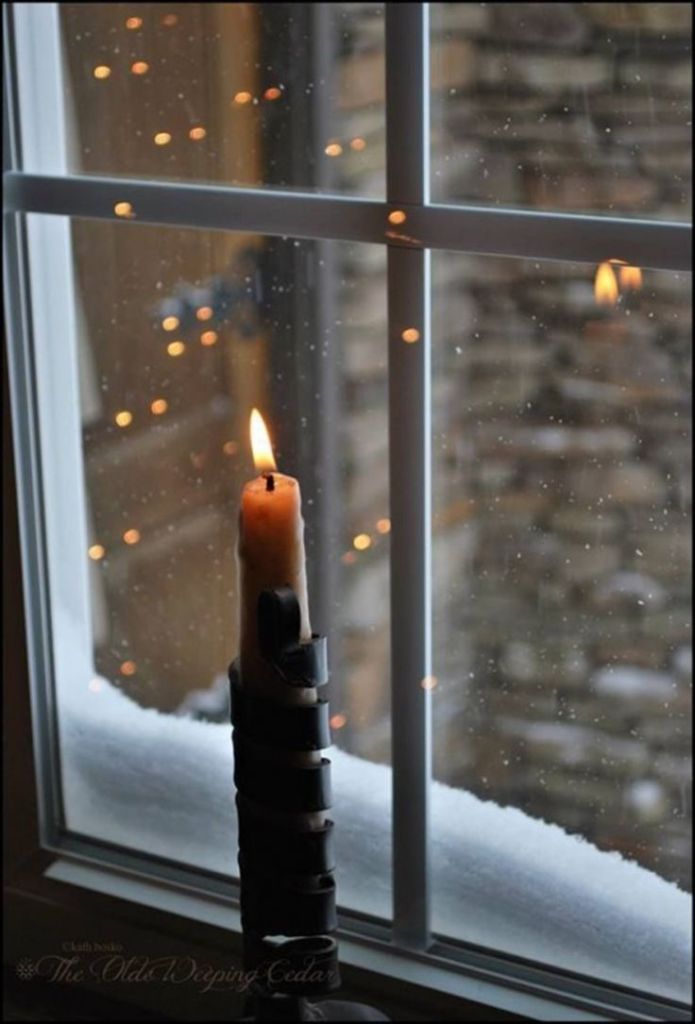
  • lighting a candle
  • opening a window for fresh air
  • listening to gentle or atmospheric music
  • touching a physical notebook
  • doing a 3-minute sensory journal:
    • What do you see?
    • Hear?
    • Smell?
    • Feel?

Your senses are creative portals.

✨ Step 4: Engage in Low-Effort Creative Play

Not writing—just playing.

Pick one:

✨ 5-Minute Freewrite

Dump thoughts, fatigue, dreams, holiday moments—anything.

✨ Make a tiny list of story seeds

Holiday chaos often contains great ideas:

• a relative who knows too much

• a secret revealed at dinner

• a character escaping a gathering to breathe

• a magical object passed down

• a winter storm trapping people together

✨ Create a micro-scene

Just 50–100 words.

No pressure, no perfection.

✨ Doodle a map or symbol from your world

Sometimes visual creativity leads you back to narrative creativity.

✨ Step 5: Set the Smallest Possible Goal

After exhaustion, lower the bar dramatically.

Examples:

  • “I will write for 3 minutes.”
  • “I will work on one paragraph.”
  • “I will brainstorm one idea.”
  • “I will reread one chapter.”
  • “I will jot down one line of dialogue.”

Small goals build momentum without draining you.

✨ Step 6: Honor Your Energy

Some days, you might feel ready to jump back in.

Other days, you might still need rest.

Both are valid.

Your creative cycle isn’t linear—it’s seasonal.

Think of this moment as winter soil: quiet, slow, storing energy for future growth.

Rest doesn’t take you away from creativity.

Rest feeds it.

✨ Gentle Prompts to Help You Reconnect

If you want a spark, here are low-pressure prompts:

  1. Write about a character who returns home after a chaotic celebration and realizes what they truly need.
  2. A magical winter object appears only to those running on empty—what does it show your character?
  3. Describe the moment your protagonist realizes they’ve been exhausted for far too long.
  4. Write a letter from your creativity to you—what does it say?
  5. Your character lights a candle to reconnect with their power. What happens next?

Use them only if they feel good.

✨ Final Thought

Holiday exhaustion doesn’t steal your creativity—it simply layers over it.

But with gentleness, intention, and patience, your creative spirit will rise back up.

You don’t need force.

You need softness.

Your spark is still here.

And when it returns, it will feel warm, fresh, and alive again.

Happy Writing ^_^

2025 Months, November 2025

Giving Thanks to Your Muses: A Ritual for Creative Renewal

Every creative season has its own rhythm. Some months we sprint through ideas like wildfire. Others, we slow down, wade through fog, or stare at a blank page wondering where our spark wandered off to.

But there is one practice that always brings writers back into harmony with their creative selves: thanking your muses.

Whether you believe your inspiration comes from divine whispers, intuition, ancestral memory, your subconscious, or simply the magic of storytelling—expressing gratitude toward the forces that guide your work is a powerful ritual for renewal. It resets your energy. It opens pathways. And it invites more ideas, more flow, more joy.

Today’s post walks you through how to create your own “muse gratitude ritual,” perfect for the season of reflection and creative grounding.


🌙 What Does It Mean to “Thank Your Muses”?

Your muses can be anything:

  • Your imagination
  • Your inner child
  • Nature, moonlight, storms, forests
  • Characters or worlds whispering to you
  • The part of you that believes stories matter
  • A deity or spirit you associate with creativity
  • Your lived experiences—the hard and the hopeful

To give thanks is simply to acknowledge:
“You’re still here. I see you. I appreciate the creative spark we share.”

This small act helps writers reconnect to meaning rather than pressure. And when meaning is nourished, momentum returns naturally.


Why Gratitude Boosts Creativity

Gratitude:

  • Reduces creative anxiety
  • Strengthens confidence in your voice
  • Reopens blocked pathways
  • Shifts your focus from perfection to connection
  • Invites play, curiosity, and intuitive writing back in

Creativity thrives in a relaxed nervous system. Gratitude is one of the most grounding emotional states, making it a perfect tool for writers who carry stress, chronic illness, self-doubt, or burnout.


🔥 A Muse Gratitude Ritual You Can Try Tonight

This ritual works during any season, any moon phase, any moment you want to reconnect with your creative spirit.

1. Prepare Your Space

Choose a quiet corner—a desk, bed, floor cushion, or window sill.
Add something symbolic if you like:

  • A candle
  • A feather or bookmark
  • A beloved book
  • A moon charm or crystal
  • A cup of tea

Keep it simple and cozy.


2. Breathe & Arrive

Close your eyes for a moment.
Imagine your creative mind settling like snow in a calm winter field.
Let your breath slow.
Let your shoulders drop.

This is you arriving in the present moment—open, receptive, centered.


3. Speak (or Write) Your Gratitude

Choose one or more muses.
Then thank them gently.

Here are examples you can use:

  • “To the version of me who still dreams, thank you for never giving up.”
  • “To the characters waiting for their stories, I hear you, and I’m grateful for your patience.”
  • “To the moonlit moments that inspire me, thank you for your quiet magic.”
  • “To the stories that shaped me, thank you for showing me what’s possible.”
  • “To my imagination, thank you for staying with me even when I feel tired.”

Let it be intimate, honest, and tender.


4. Ask Your Muses What They Need

Creativity is a relationship—ask what it needs from you now.

A question like:

  • “What would help me reconnect with my writing?”
  • “What story is asking for attention?”
  • “What energy should I invite into my creative practice next?”

Listen for the whisper of an idea, an image, a sensation, or even a memory.


5. Offer a Small Creative Gift

You don’t need to write a chapter.
Just create something tiny as an offering:

  • A sentence
  • A new character name
  • A scene idea
  • A poem fragment
  • A mood description
  • A worldbuilding detail

This is symbolic—like placing a candle at the foot of your creativity and saying, Here is my light too.


6. Close the Ritual with Gratitude Again

Thank yourself for showing up.
Thank your imagination for meeting you.
Thank the act of storytelling for choosing you as one of its keepers.

Then blow out your candle, or simply place your hand over your heart.

Your ritual is complete.


🌑 When to Repeat This Ritual

Use it anytime you feel:

  • Disconnected from your writing
  • Emotionally drained
  • Burned out
  • Unsure of your voice
  • Ready for a new project
  • Excited to deepen your creative intuition

Or make it a monthly ritual that aligns with your moon journaling practice—a perfect pairing for your Moon Phases & Emotional Cycles Journal.


🌕 Final Reflection: Creativity Grows Where You Feel Grateful

Your muses aren’t just mystical inspirations.
They are the parts of you that still believe in storytelling’s power.

When you nurture them with gratitude, your creativity becomes softer, stronger, and more open to possibility. Writing stops feeling like a task and becomes a relationship again—one filled with comfort, wonder, and renewal.

You deserve a writing life that feels supported, sacred, and deeply yours.

Happy Writings ^_^

2025 Months, November 2025

🌘 The Waning Moon & the Writer’s Cycle of Release

Letting go to make room for what’s ready to bloom

Every creative life follows a rhythm, but writers feel these rhythms more intimately than most. We live in cycles: drafting and revision, overflow and depletion, clarity and fog, beginnings and endings. The waning moon — the moon shrinking back into darkness — mirrors one of the most important parts of our creative process: release.

This isn’t the glamorous cycle. It’s not the surge of the full moon or the spark of the new. It’s quieter, subtler, and often overlooked. But when you learn to work with the waning moon intentionally, you’ll notice your creative energy becoming steadier, your writing blocks loosening, and a sense of peace returning to your process.

Let’s talk about how.

🌘 What the Waning Moon Symbolizes

As the moon retreats from fullness toward darkness, its energy shifts from expansion to contraction. It asks us to:

  • Let go of what’s no longer helping our creative flow
  • Release old drafts, stuck scenes, or outdated expectations
  • Clear space for new ideas and inspiration
  • Reflect on what’s working and what needs rest
  • Slow down just enough to hear your intuition again

In nature, this is the season of pruning. In writing, it’s the season of editing your emotional attachments.

🌘 Why Writers Need a Cycle of Release

Writers often cling — to characters we love, drafts we’ve labored over, or an ideal version of a story we keep trying to force. But holding on too tightly creates stagnation.

During the waning phase, creative energy naturally pulls inward. Instead of pushing harder, this is when writers thrive by:

  • Releasing perfectionism
  • Setting down a project that hurts instead of helps
  • Clearing clutter in your workspace
  • Letting go of guilt around “not writing enough”
  • Cutting scenes that no longer serve the story
  • Shedding outdated self-stories (“I’m too slow,” “I’m behind,” “I’m not good enough”)

Release isn’t giving up. It’s clearing the path so your true work can move.

🌘 A Waning Moon Writing Ritual

You don’t need candles or a huge setup. Keep it simple and sustainable.

1. Identify what’s weighing you down

Journal or reflect on:

  • What part of your writing feels heavy?
  • What expectations are choking your creativity?
  • Which draft is draining instead of energizing you?

2. Choose one thing to release

Just one.

A fear.

A habit.

A scene.

A belief.

A deadline that doesn’t serve you.

A story you’re no longer aligned with.

Release gently — not through pressure, but through choice.

3. Give yourself permission to let go

Say it aloud or write it:

“I release what no longer serves my writing or my growth.”

4. Create space

Declutter your desk, delete old drafts, or re-organize your plan.

Your brain recognizes spaciousness in your environment.

🌘 Waning Moon Writing Prompts

These are designed to help you loosen your grip and reconnect with creative flow.

  • What am I holding onto in my writing that is ready to be released?
  • Which part of my writing routine feels forced or outdated?
  • What belief about myself as a writer am I ready to set down?
  • What would my creative process look like if I allowed more ease?
  • Which character, scene, or idea is asking to be let go—or reshaped?
  • Where can I simplify in order to move forward?
  • What would I write if I stopped trying to please anyone?

Use one prompt per night during the waning moon for a gentle creative reset.

🌘 Embracing the Quiet Magic of Release

The waning moon reminds us that creativity isn’t a constant upward climb. It’s a cycle. A breath. A tide.

When you allow yourself to release, you:

  • lower creative pressure,
  • soften burnout,
  • make room for deeper ideas,
  • and reconnect with your authentic writer-self.

There is strength in letting go. There is clarity in the dark. And in that quiet space, the next beginning is already forming.

Happy Writing ^_^

2025 Months, November 2025

🔥 Elemental Writing Prompts: Fire, Water, Air, Earth, Spirit

Every story is born from an element. Some burn bright with passion, others flow like rivers of emotion. Some drift through airy thoughts and dreams, while others are rooted deep in the soil of memory and truth. And then there are those guided by Spirit — unseen forces that move us beyond reason, whispering magic into every word.

Let’s explore each of the five elements through creative writing prompts that awaken your imagination and invite your muse to play.


🔥 Fire — Passion, Transformation, and Rebirth

Fire is the spark that ignites creation. It’s raw emotion, destruction, renewal — the will to change. Writing with fire means exploring desire, rebellion, and the courage to burn away what no longer serves.

Fire Prompts:

  1. A phoenix rises not from ashes, but from regret. What did it burn away to be reborn?
  2. Two souls bound by flame can never touch — or the world will burn. Write their story.
  3. A kingdom uses fire as a test of truth. Only those who survive the trial may rule.
  4. The last ember of a dying star falls to earth and chooses its bearer.
  5. Anger becomes magic when spoken aloud — but what happens when someone loses control?

💧 Water — Emotion, Healing, and Flow

Water carries memory, emotion, and intuition. It moves gently or storms violently — a mirror of the soul. Writing through water invites reflection and empathy, helping you dive deep into what lies beneath.

Water Prompts:

  1. A seaside village sacrifices one dream each year to calm the ocean’s heart.
  2. A mermaid loses her voice — not for love, but for vengeance.
  3. Tears of joy summon rain; tears of sorrow summon the flood. Which will your character bring?
  4. The river remembers everything that has ever fallen into it — even souls.
  5. Write a story where healing is possible only through surrendering to emotion.

🌬 Air — Change, Thought, and Freedom

Air is movement — breath, words, imagination. It’s the restless whisper of ideas that drift between worlds. Writing with air means exploring creativity, freedom, and the unseen connections that bind us.

Air Prompts:

  1. A storm carries forgotten voices across the sky. One lands inside your protagonist’s mind.
  2. A scholar learns to control the wind through poetry — each stanza shapes the weather.
  3. A messenger made of air travels between dimensions, delivering secrets of the past.
  4. The wind refuses to obey the gods. What does it want?
  5. A floating city built on clouds begins to crumble when its people forget to dream.

🌿 Earth — Growth, Strength, and Memory

Earth grounds us. It’s stability, cycles, and endurance — the pulse beneath our feet. Writing with earth reminds us of legacy, roots, and the slow, powerful act of becoming.

Earth Prompts:

  1. The forest remembers every footstep — and judges those who take without giving back.
  2. A stone golem dreams of returning to dust.
  3. Each spring, the soil chooses one mortal to bloom anew. This year, it chooses a ghost.
  4. Deep beneath the mountain lies the heart of the world — and it’s beginning to wake.
  5. Write about a garden that grows what you feel, not what you plant.

✨ Spirit — Intuition, Mystery, and Connection

Spirit is the unseen thread weaving all elements together. It’s intuition, magic, soul — the essence that transforms a story from ink to energy. Writing with Spirit means surrendering to wonder and trusting where inspiration leads.

Spirit Prompts:

  1. Two souls share one heartbeat across lifetimes — and it’s starting to fade.
  2. A dying deity whispers its power into a writer’s pen.
  3. Every dream is a doorway. One night, the dreamer forgets to return.
  4. A forgotten god awakens in the body of a modern artist.
  5. Spirit itself speaks — through you. What message does it leave behind?

🌙 Bringing the Elements Together

Each element can stand alone or combine to create balance. Try weaving multiple elements into a single story — a Fire-born hero seeking redemption in the Waters of memory, or an Air spirit trapped within Earth’s roots. Let their oppositions shape conflict, and their harmony shape resolution.

When you write with the elements, you’re not just creating worlds — you’re invoking energy. You’re writing with the same forces that shape life itself.


✨ Try This Challenge:
Pick one prompt from each element this week. Write five short pieces — one for each — and notice how your voice changes with each energy. Fire may push you into bold language; Water may soften your tone; Earth may anchor your pace; Air may lift your ideas; Spirit may reveal something unexpected.

Happy Writing ^_^

2025 Months, Moon Journaling, October 2025

Waning Moon Reflection: Editing, Letting Go of Old Drafts, and Resting 🌙

As the moon begins to wane, shrinking from the fullness of its bright peak back into shadow, nature invites us into a quieter, more reflective phase. The waning moon is not about creation or growth — it’s about release, refinement, and rest. For writers, this phase offers the perfect opportunity to pause our forward momentum and focus on something equally vital: letting go of what no longer serves our stories.


🌘 Embracing the Waning Moon Energy

Just as the moonlight fades night by night, the waning phase encourages us to shed layers — of clutter, of doubt, of excess words and drafts that have outlived their purpose. In writing, this might mean taking a step back from drafting new chapters to focus on what’s already on the page. It’s a time to ask yourself:

  • What drafts or story ideas no longer spark excitement?
  • What projects are weighing me down rather than inspiring me?
  • Where can I simplify and bring clarity to my writing process?

This energy of release isn’t about loss. It’s about creating space for stronger ideas, clearer prose, and deeper creativity to emerge.


✍️ Editing as a Ritual of Release

Editing during the waning moon becomes more than a task — it transforms into a ritual. As you revise, imagine yourself trimming away what no longer aligns with the heart of your story. Sentences that ramble, scenes that stall the pace, characters who no longer belong — this is the perfect time to let them go.

Try this simple waning moon editing ritual:

  1. Choose one piece — a short story, a chapter, or even a rough draft that’s been sitting untouched.
  2. Read without judgment. Notice what feels heavy or unnecessary.
  3. Cut with intention. Each deletion is an act of clearing space for your story’s true voice to emerge.
  4. Reflect. Ask yourself how these changes shift the tone or direction of the piece.

This phase isn’t about polishing everything to perfection. It’s about clearing away the noise so that the essence of your work can shine more brightly.


🪶 Letting Go of Old Drafts and Ideas

Writers often hold onto old drafts — not because they’re useful, but because they feel like a piece of us. Yet sometimes, clinging to outdated stories or abandoned projects keeps us stuck. The waning moon invites you to lovingly release them.

Go through your folders and notebooks. Look at those drafts gathering dust and ask:

  • Does this still resonate with who I am as a writer now?
  • Is there a spark here worth revisiting — or is it time to release it?

If it’s time to let go, do so with gratitude. You might write a short note thanking the draft for what it taught you before archiving or deleting it. The space you create will make room for new ideas and stronger stories.


🌙 Rest as a Creative Act

Waning energy also reminds us that rest is not wasted time — it’s part of the creative cycle. After the intensity of writing and editing, rest refills your creative well. This could mean journaling under the night sky, reading for pleasure, or simply stepping away from words for a few days.

Rest during the waning moon isn’t laziness; it’s preparation. As the moon approaches its dark phase and begins a new cycle, you too will be ready to plant fresh creative intentions.


✨ Reflection Exercise: Releasing What No Longer Serves

Set aside 15 minutes tonight to journal under the waning moonlight (or simply imagine it if clouds cover the sky):

  • What part of my writing life feels heavy or stagnant right now?
  • Which drafts, habits, or expectations am I ready to release?
  • How can I nurture myself and my creativity through rest this week?

Let your answers guide your actions in the days ahead. Editing, releasing, and resting now will prepare you to write with renewed clarity and purpose when the new moon arrives.


🌙 Final Thought: The waning moon is nature’s way of reminding us that creativity isn’t just about adding more — it’s also about clearing space. Trust that by releasing old drafts, refining what matters, and resting deeply, you’re strengthening your creative roots for the next cycle of growth.

Happy Writing ^_^

2025 Months, September 2025

The Language of Change: Word Choices that Evoke Transformation

Change is one of the most powerful currents in storytelling and personal growth. Writers often sense it in their characters, poets feel it in their lines, and journalers meet it on the page. But how do you capture the essence of transformation in words?

Language carries subtle energy—some words suggest endings, while others whisper renewal. By choosing words that evoke motion, metamorphosis, and rebirth, you can strengthen the emotional pull of your writing.

Why Word Choice Matters in Transformation

When writing about change, it isn’t just about stating what shifts—it’s about making the reader feel the shift. The difference between “she left” and “she shed her old self” is profound. One is factual. The other carries weight, resonance, and imagery.

Transformation words give texture to your narrative. They can signal growth, decay, or a cyclical turning point. And because change often feels both terrifying and beautiful, your diction should reflect those dualities.

Word Bank for Transformation

Below is a curated collection of words and phrases to spark your writing. Use them in stories, poems, or journal reflections when exploring change.

🌱 Growth & Renewal

  • Emerge
  • Blossom
  • Bloom
  • Flourish
  • Sprout
  • Rebirth
  • Awaken
  • Evolve
  • Ripen
  • Unfold
  • Breakthrough
  • Illuminate

🔥 Shedding & Release

  • Shed
  • Unravel
  • Let go
  • Dismantle
  • Burn away
  • Dissolve
  • Release
  • Cast off
  • Purge
  • Sever
  • Abandon
  • Untether

🌙 Cycles & Shifts

  • Transition
  • Turning point
  • Threshold
  • Passage
  • Eclipse
  • Phase
  • Metamorphosis
  • Shift
  • Transformation
  • Evolution
  • Spiral
  • Renewal

🕊 Resilience & Becoming

  • Reshape
  • Reform
  • Reclaim
  • Reforge
  • Reinvent
  • Restore
  • Rekindle
  • Rebuild
  • Refine
  • Align
  • Transcend
  • Ascend

🌌 Imagery for Symbolic Change

  • Ashes to flame
  • Cocoon to wings
  • Tide turning
  • Roots deepening
  • Seasons shifting
  • Phoenix rising
  • Mask falling
  • Chains breaking
  • Storm clearing
  • Door opening

Using This Word Bank

When you write a scene of transformation, experiment by weaving in two or three words from different categories. For example:

  • “She stood at the threshold, ready to shed the skin of her past and blossom into something untamed.”
  • “The eclipse marked not an ending, but a renewal—a tide turning within his very bones.”

Notice how layered the imagery becomes when you mix cycles, shedding, and renewal.

Closing Thoughts

Transformation is both an end and a beginning. By reaching into this word bank, you can infuse your writing with the textures of change—whether subtle like a leaf unfurling or dramatic like a phoenix bursting from flame.

The language of change isn’t only about describing what shifts—it’s about evoking the feeling of becoming.

✨ Try journaling today: What part of yourself is ready to shed, and what new beginning is waiting to emerge?

Happy Writing ^_^

2025 Months, September 2025

How to Avoid the “September Slump” in Creative Energy – Practical Tips

September carries a unique kind of energy. The air turns crisp, routines reset, and the excitement of summer often gives way to a quieter, steadier rhythm. For many writers and creatives, this shift can spark what I call the “September Slump”—a period where motivation dips, inspiration feels distant, and projects seem harder to move forward.

But the good news? With the right tools and mindset, you can keep your creative spark alive. Here are some practical ways to avoid (or climb out of) the September slump.

1. Reset Your Creative Rituals

Just like students sharpen pencils and gather new supplies, you can reset your creative space and routines.

  • Declutter your desk or writing corner.
  • Introduce a seasonal touch—like a candle, cozy blanket, or autumn playlist.
  • Choose a new journal, planner, or document template to refresh your mindset.

Sometimes, a small environmental shift is enough to remind your brain that you’re stepping into a new creative season.

2. Set “Mini Goals” Instead of Overhauls

September often tempts us to take on too much—new schedules, fresh ambitions, long to-do lists. Instead, focus on bite-sized goals:

  • Write 200 words a day instead of aiming for 2,000.
  • Revise one page instead of a full chapter.
  • Journal for 5 minutes instead of a full session.

Small steps reduce overwhelm and create momentum, which is often what matters most during a slump.

3. Tap Into Seasonal Energy

The transition into autumn is rich with sensory and symbolic inspiration.

  • Write about harvest, endings, or cycles.
  • Pay attention to scents like apples, cinnamon, or rain.
  • Capture textures—the crunch of leaves, the chill of morning air, the warmth of tea.

September naturally lends itself to themes of change, reflection, and preparation—all fertile ground for creative writing and journaling.

4. Build in Creative Recovery Time

If your energy feels low, it may not be a lack of discipline—it may be your body and mind asking for rest. Try:

  • Scheduling 15-minute “creative breaks” with no pressure to produce.
  • Reading outside your usual genre.
  • Taking a short walk and allowing story ideas to simmer rather than forcing them.

Remember: rest is part of the creative process, not the opposite of it.

5. Connect With Others

Creative slumps often feel heavier in isolation. Combat this by:

  • Joining a writing challenge (September is the perfect time to prepare for Preptober and NaNoWriMo).
  • Sharing small snippets of your work online.
  • Exchanging seasonal prompts or journaling with a friend.

Community sparks accountability and helps lift the fog of self-doubt that creeps in during seasonal transitions.

6. Reframe September as a “Second New Year”

Instead of seeing September as a slump, view it as a fresh start. Many cultures treat the harvest season as a time of renewal and preparation. You can too:

  • Reflect on what you’ve accomplished so far this year.
  • Reset your priorities for the final quarter.
  • Choose one creative project to carry you into the end of the year.

Framing September as an opportunity, rather than an obstacle, transforms the slump into a springboard.

Closing Thoughts

The September slump doesn’t have to derail your creativity. By refreshing your environment, breaking goals into manageable steps, embracing seasonal energy, resting intentionally, and connecting with others, you can keep your creative spark alive.

Think of this season as an invitation to slow down, reflect, and realign. When you honor that rhythm, your creativity not only survives September—it thrives.

✨ What about you? Do you feel a dip in creative energy this month, or do you find September refreshing? Share your favorite rituals or tips in the comments—I’d love to hear how you navigate the shift.

Happy Writing ^_^

2025 Months, September 2025

Harvest Deities: Ancient Gods & Goddesses That Could Shape Your Worldbuilding

The harvest season has always been sacred. Across cultures, the time when crops were gathered and stored for winter inspired gratitude, fear, and reverence. Civilizations rose and fell on the success of their harvests—and so deities of grain, fruit, and fertility became some of the most powerful figures in the ancient world.

As a writer, weaving harvest gods and goddesses into your worldbuilding can bring richness to your pantheon, shape your culture’s rituals, and create compelling conflicts between abundance and scarcity. Below, we’ll explore ancient harvest deities you can draw inspiration from and ways to reimagine them for your stories.


Why Harvest Deities Matter in Storytelling

Harvest gods represent more than food—they symbolize cycles, survival, and community. In many myths, they embody themes of:

  • Life and Death Cycles – Grain that must die to feed life.
  • Sacrifice and Renewal – Offerings made to secure abundance.
  • Balance of Power – Kings and rulers often claimed divine favor through fertility cults.
  • Fear of Scarcity – Failed harvests meant famine, rebellion, or divine punishment.

In fiction, these archetypes can shape everything from political power struggles to the rhythm of festivals in your world.


Pantheon Inspiration: Ancient Harvest Deities

🌾 Demeter & Persephone (Greek Mythology)

  • Domains: Grain, fertility, life-death cycles.
  • Story Spark: The myth of Persephone’s descent explains the seasons. Use this duality to inspire a goddess tied to both abundance and loss, whose moods dictate weather or yield.

🌽 Centeōtl & Chicomecóatl (Aztec Mythology)

  • Domains: Maize (the staple of Aztec life).
  • Story Spark: Imagine a society where maize (or a fantasy equivalent) isn’t just food but divine flesh. Priests may perform rituals believing they sustain the gods by consuming the sacred crop.

🍇 Osiris (Egyptian Mythology)

  • Domains: Agriculture, fertility, resurrection.
  • Story Spark: Osiris’ dismemberment and rebirth parallel planting seeds and harvest cycles. Consider a god whose body literally becomes the crops, blurring the boundary between divine and earthly sustenance.

🍎 Pomona (Roman Mythology)

  • Domains: Fruit trees and orchards.
  • Story Spark: Lesser-known than Ceres, Pomona can inspire a protective orchard spirit—perhaps jealous, territorial, or bound to her groves, shaping local folk magic.

🌾 Inari Ōkami (Japanese Shinto)

  • Domains: Rice, prosperity, fox spirits.
  • Story Spark: Inari is linked with both divine messengers (foxes) and prosperity in trade. You could design a god whose worship blends agriculture with commerce, controlling the flow of both food and wealth.

🥔 Zemyna (Baltic Mythology)

  • Domains: Earth’s fertility, nourishment.
  • Story Spark: A goddess who receives offerings of bread, butter, or beer in thanks for sustenance. She might demand seasonal tributes, and her neglect could bring hunger or plague.

🌽 Chang’e & the Moon Festivals (Chinese Mythology)

  • Domains: Not directly agriculture, but harvest festivals often honor her.
  • Story Spark: A celestial goddess tied to harvest moons can be reimagined as a deity who balances heaven and earth’s cycles—her absence or silence may mark famine years.

Ways to Use Harvest Deities in Worldbuilding

  1. Seasonal Rituals & Festivals
    • Create rituals of sacrifice, dance, or offerings tied to equinoxes and harvest moons.
    • Think about how these festivals could also be political tools—who leads them, who benefits, who is excluded.
  2. Myths that Shape Daily Life
    • Farmers may refuse to plow a field until a prayer is spoken.
    • Villages might bury a symbolic “seed god” each spring, reenacting divine myths.
  3. Conflict Through Scarcity
    • What happens when the god of harvest withdraws their favor?
    • How does famine shape faith, politics, or rebellion?
  4. Pantheon Interactions
    • Does the harvest deity feud with a storm god, love a death goddess, or serve under a sun deity?
    • Inter-god conflicts can mirror human struggles.

Writing Prompts for Inspiration

  1. A goddess of grain demands a living sacrifice each autumn—what happens when the chosen refuses?
  2. A god of fruit trees falls asleep, and winter spreads too soon. How do mortals wake him?
  3. A famine-ravaged kingdom declares its harvest deity dead. A young priest claims to hear the god’s voice still.
  4. Two nations worship rival harvest gods—their war destroys the very land they depend on.
  5. A secret cult believes the true harvest god is buried beneath the soil, still dreaming.

Closing Thoughts

Harvest deities embody survival, change, and community—themes that resonate across cultures and eras. By drawing inspiration from ancient pantheons, you can design gods who shape not just crops, but the political, spiritual, and emotional lives of your fictional societies.

Whether your harvest deity brings abundance or withholds it, their presence will anchor your world in cycles of hope, struggle, and renewal.

Happy Writing ^_^

2025 Months, September 2025

The Equinox Gates: Fantasy Worldbuilding with Thresholds

Twice a year, the world stands on a knife’s edge of balance. The equinox arrives, bringing equal day and night, shadow and light. For many cultures, this moment has been tied to harvests, renewal, or the quiet promise of change. But for fantasy writers, the equinox can become much more than a seasonal marker—it can be a threshold, a literal gate between realms.

The Equinox as a Threshold

Thresholds are powerful in worldbuilding. They mark transitions: doors, bridges, rivers, and twilight hours all suggest liminality—a place that is neither one thing nor another. The equinox itself embodies liminality. It is a pause, a hinge between seasons, a point where forces of nature reach perfect balance before tipping again.

In a fantasy setting, this moment of balance might unlock doors that remain sealed the rest of the year. Equinox energy could thin the barrier between realms, allowing beings, magic, or even entire landscapes to pass through.

  • The Autumn Equinox could open gateways to the land of the dead, harvest spirits, or ancient bargains.
  • The Spring Equinox might awaken fae courts, celestial creatures, or forgotten seeds of magic buried beneath the earth.

These moments of equal night and day could act as cosmic keys—briefly turning balance into possibility.

The Symbolism of Balance

When crafting equinox gates, think about what balance means in your world. Is it harmony or tension?

  • Moral balance: Perhaps the equinox opens a portal that only responds when opposing forces (a hero and villain, light and shadow magic, two bonded souls) arrive together.
  • Elemental balance: The gate might need fire and water, air and earth in equal measure to unlock.
  • Life and death balance: The threshold could be a liminal space where ancestors speak, guiding the living with warnings or blessings.

By tying the portal’s rules to balance, you create a natural alignment with the equinox itself.

Narratives Born of Equinox Gates

Equinox thresholds lend themselves to stories of crossing, choice, and transformation:

  • The Once-Yearly Passage: A hero has one night at the equinox to walk into a forbidden realm. If they miss it, the gate won’t open again for a year—or a century.
  • Unwanted Visitors: As the equinox gates open, creatures from the Otherworld slip through, causing unrest. Do the protagonists push them back, or learn to live with what has crossed?
  • A Bargain at Balance: A character must choose what they bring through the gate—life for one they love, or power for themselves. The equinox demands equilibrium: something must always be left behind.
  • Cosmic Consequences: What happens when the gate remains open too long, and the balance between worlds unravels?

Writing Prompts

✨ Here are a few prompts to spark your own equinox gate tales:

  1. On the night of the equinox, an ancient stone circle hums with light. Only those carrying both a shadow and a flame may enter. Who answers the call?
  2. The spring equinox opens a path to the Fae Wilds—but this year, something crosses over uninvited.
  3. A town survives only because every equinox, they offer tribute at the threshold. This year, the chosen sacrifice refuses.
  4. A pair of rivals must work together to unlock an equinox gate, each holding half of the key. What awaits them on the other side?
  5. The balance of day and night falters—an equinox gate opens early, and something begins to seep through.

Closing Thoughts

Worldbuilding thrives on thresholds. They remind us that stories are about change—stepping from one state into another, from the known into the unknown. The equinox is nature’s reminder that balance is fleeting, and in that fleeting space lies possibility.

As you craft your fantasy realms, consider how equinox gates might shape them. What worlds lie just beyond the veil? What price must be paid for crossing? And who will dare to walk through, knowing that balance lasts only for a moment?

Happy Writing^_^

2025 Months, September 2025

🌕 Legends of the Harvest Moon: The Corn Moon

The Corn Moon is the glowing herald of early September, named for the ripening of cornfields and the beginning of harvest. While its light once guided farmers working late into the fields, it also shines brightly in stories of myth and folklore.

Folklore Across Cultures

  • Native American traditions tied the Corn Moon to gathering crops and gratitude for abundance. Among the Algonquin peoples, this was a time of honoring the spirits of nature and preparing for the colder months.
  • In European folklore, the Corn Moon embodied the spirit of the grain itself. Farmers would leave offerings of bread, milk, or beer at the edges of fields, ensuring the spirit was appeased before cutting the last stalk.
  • In some Celtic traditions, the Corn Moon connected to harvest deities like Demeter and their local counterparts—reminders that sustenance always comes with sacrifice.

Mythic Symbolism for Writers & Journalers

The Corn Moon’s softer light signals transition—between abundance and scarcity, summer and autumn, planting and resting. For writers, this imagery suggests stories of endings that become beginnings, of gratitude before loss, of sacrifice leading to renewal.

🌽 Writing Prompts & Challenges for the Corn Moon

✨ Prompts

  1. A village leaves an offering to the spirit of the last stalk—only to find the spirit has taken form and demands something greater.
  2. Write a story or poem about a field whispering to its caretaker as the Corn Moon rises. What secret does it reveal?
  3. Imagine a character on the cusp of change. What “ripening” is happening in their life, and what must they let go of to embrace the next season?
  4. Craft a myth explaining why the Corn Moon shines a golden hue compared to other moons.
  5. Journal: What in your own life feels ready to harvest? What will you keep, and what will you release?

✨ Challenge

Spend one evening this week writing by the glow of a single lamp or candle, as though guided only by the Corn Moon. Let the softer light shape your mood and your words.

🌕 Legends of the Harvest Moon: The Great Gatherer

After the Corn Moon comes the Harvest Moon, the brightest moon of autumn. Unlike other moons, its rising happens just after sunset for several nights in a row, creating long evenings of steady light. Farmers relied on it for centuries, but storytellers saw something more: a moon of magic, gathering, and transition.

Folklore Across Cultures

  • In Chinese folklore, the Harvest Moon is honored at the Mid-Autumn Festival. Families share mooncakes, light lanterns, and tell the story of Chang’e, the Moon Goddess who lives eternally on the lunar surface.
  • In European legends, the Harvest Moon was a protector of travelers and lovers, lighting the way across fields and forests long after sunset.
  • In Japanese tradition, families gather to admire Chūshū no Meigetsu (“the Harvest Moon”), weaving together poetry, offerings, and gratitude for nature’s cycles.

Mythic Symbolism for Writers & Journalers

The Harvest Moon’s prolonged light symbolizes gathering—not just crops, but memories, lessons, and stories. For creatives, it is an invitation to draw together scattered fragments of a project and bring them into completion.

🌾 Writing Prompts & Challenges for the Harvest Moon

✨ Prompts

  1. A group of travelers cross a dangerous landscape, guided only by the steady glow of the Harvest Moon. What unseen force walks beside them?
  2. Write a scene where a character must gather more than crops—perhaps memories, lost souls, or fragments of a forgotten prophecy.
  3. Imagine a lover’s tryst under the Harvest Moon. What makes this moonlight so different that it changes their fate?
  4. Create a myth about the Harvest Moon as a great lantern hung in the sky by the gods. Who lit it, and why?
  5. Journal: What have you gathered this year—skills, insights, or relationships—that will carry you into the next season?

✨ Challenge

Write a piece where every paragraph (or stanza, if poetry) begins with the word Gather. Use it as both an anchor and a theme, pulling threads of your story together like a harvest.

🌕 Closing Thoughts: A Moonlit Continuum

Together, the Corn Moon and the Harvest Moon tell a story of abundance, transition, and reflection. The Corn Moon teaches us about ripening and release, while the Harvest Moon urges us to gather and celebrate what we’ve reaped. For writers and journalers, they remind us that endings and beginnings are always entwined—and that inspiration glows brightest when we listen to the old stories carried by the moonlight.

Happy Writing ^_^