2025 Months, November 2025

How to Build a Character Around a November Aroma

Crafting Characters Through Scent, Memory, and Atmosphere

November is a month rich with moods—smoky air, damp leaves, the first spark of cold, the warmth of spices sneaking into kitchens. While many writers focus on visuals to shape their characters, scent is one of the most powerful emotional triggers we have. It can pull readers instantly into a moment, reveal a character’s inner world, and hint at backstory without a single line of exposition.

Building a character around a specific November aroma doesn’t just help with atmosphere—it deepens personality, motivation, and emotional tone.

Let’s explore how you can use scent to create richer, more immersive characters this season.


Why Smell Is a Powerful Tool for Character Creation

The human brain ties scent directly to memory and emotion. A November smell can:

  • Unlock old wounds or warm nostalgia
  • Shape a character’s fears or desires
  • Connect them to a specific place or person
  • Foreshadow events or hidden truths
  • Reveal who they were versus who they are becoming

Using scent gives your character a lived-in authenticity, grounding them in the world while making their emotional landscape vivid and relatable.


Step 1: Choose Your November Aroma

Pick one scent that instantly evokes the soul of November. Try one of these:

https://aromaplan.com/cdn/shop/files/35-november-season_1d9dd40b-5c01-444e-bcd3-49e6453a1538.jpg?v=1750362128&width=1500
https://i.etsystatic.com/34348572/r/il/79ae9f/5826595330/il_fullxfull.5826595330_cvoi.jpg
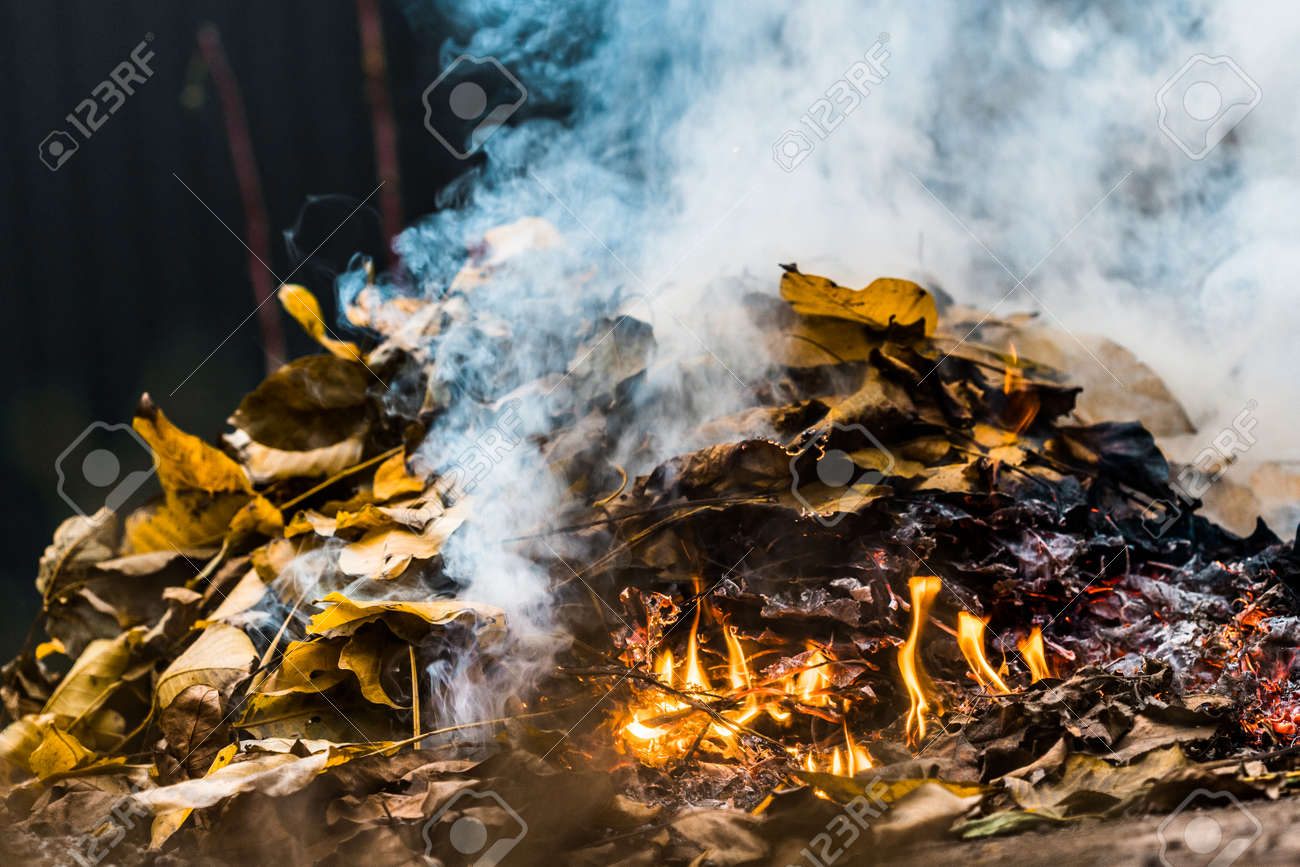
https://previews.123rf.com/images/bulkabulka26/bulkabulka262101/bulkabulka26210100001/163369081-burning-autumn-bonfire-with-smoke-yellow-leaves-in-the-smoke.jpg
Disclaimer: Don’t own the Pictures
  • Woodsmoke curling through chilled air
  • Damp earth and fallen leaves
  • Warm cinnamon or clove from a kitchen
  • The ozone tingle before a cold rain
  • Crisp apple peel
  • Aging books and wool scarves
  • Frost on morning grass
  • Distant fireplace fire drifting through a neighborhood

Choose the one that feels magnetic.


Step 2: Ask: What Does This Scent Mean to Your Character?

Every scent carries an emotional resonance.

Ask yourself:

  • Is this aroma comforting, unsettling, or nostalgic to them?
  • Does it remind them of someone—lost, loved, or feared?
  • Does it tie to a ritual, place, or traumatic event?
  • Do they seek this scent out or avoid it?

Example:

  • Woodsmoke might remind your protagonist of winter nights spent with someone they lost.
  • Damp leaves could trigger a memory of a childhood secret buried—maybe literally.
  • Cinnamon may symbolize a mother’s kitchen, warmth, safety… or expectations they failed to meet.

Step 3: Build Core Traits Around That Aroma

Let your chosen November scent subtly shape your character’s personality.

If their November scent is woodsmoke:

They might be introspective, drawn to silence, nostalgic, slow to trust but deeply loyal.

If their November scent is cold rain:

They might carry a restless energy, haunted by the past, always in motion, uncomfortable with stillness.

If their November scent is cinnamon:

They may be nurturing yet guarded, craving connection but unsure how to reach for it.

If their November scent is damp leaves:

They could be grounded, observant, perhaps hiding secrets or truths no one else sees.

Character creation becomes easier when scent acts as an anchor.


Step 4: Tie the Aroma Into Their Backstory

Now build one defining moment tied to this scent.

Ask:

  • When did they first associate this aroma with something emotional?
  • Who was there? What happened?
  • What changed after that day?

Example backstory seeds:

  • The smell of wet leaves from the morning they learned a family secret.
  • The spice aroma from the last holiday before everything fell apart.
  • The smoke-scented jacket of someone who disappeared.
  • The cold-metal frost smell from the night they ran away.

This becomes the emotional core of the November character.


Step 5: Bring the Aroma Into Your Scenes

Use the scent in small but meaningful ways:

  • A shift in the air that warns them of danger
  • A memory triggered mid-conversation
  • Relief or panic stirred by the faintest whiff
  • A scent that follows them—or one they chase

Let it echo through your story without overusing it. A few well-placed sensory moments can reveal more than a full paragraph of exposition.


Step 6: Show How the Aroma Evolves as They Evolve

As your character grows, their relationship to the scent can change.

Examples:

  • Woodsmoke once brought grief; now it brings resolve.
  • Frost once felt isolating; now it feels like clarity.
  • Cinnamon once meant comfort; now it means home—one they built for themselves.

Let the aroma mark turning points in your narrative arc.


November Aroma Character Examples

1. The Woodsmoke Survivor

Haunted by the fire that reshaped their childhood, they grow into someone who guards others fiercely.

2. The Cinnamon Archivist

A gentle yet sharp scholar whose life revolves around reconstructing lost stories.

3. The Frost-Walker

Emotionally locked-down but perceptive, their arc warms as they learn trust.

4. The Rain-Threaded Detective

Restless, watchful, and always moving—the weather mirrors their inner storms.

Use these as jump-off points for your own stories.


Writing Prompts: Build Your Own November-Aroma Character

Here are prompts perfect for your readers or for a downloadable PDF:

  1. Your character associates woodsmoke with one person they can never forgive. Write the moment that shaped their hatred.
  2. A sudden whiff of cold rain warns your protagonist of danger moments before it happens.
  3. Your character has lost their sense of smell—except for one November scent. Why this one?
  4. A faint aroma of damp leaves follows your character everywhere, becoming a supernatural clue.
  5. Cinnamon and clove bring your character peace… until they discover who else remembers the scent.
  6. The first frost of November shifts something inside your character. Describe the transformation.
  7. A library-dust scent leads your character to a forgotten journal with their name in it.
  8. Your character wakes up in a strange place—smelling bonfire smoke—and realizes it’s from a memory they buried.

Want to Deepen This Exercise?

Pair your November aroma character with:

  • A November atmosphere (fog, frost, late sunset, long shadows)
  • A November conflict (letting go, confronting memories, entering winter)
  • A November symbol (keys, candles, migration, first frost, falling leaves)

This creates a layered, emotionally resonant character ready to walk into any genre—fantasy, romance, horror, or contemporary fiction.

Happy Writing ^_^
2025 Months, November 2025

The Texture of November: Using Atmosphere to Deepen Your Scenes

Disclaimer: I don’t own pictures

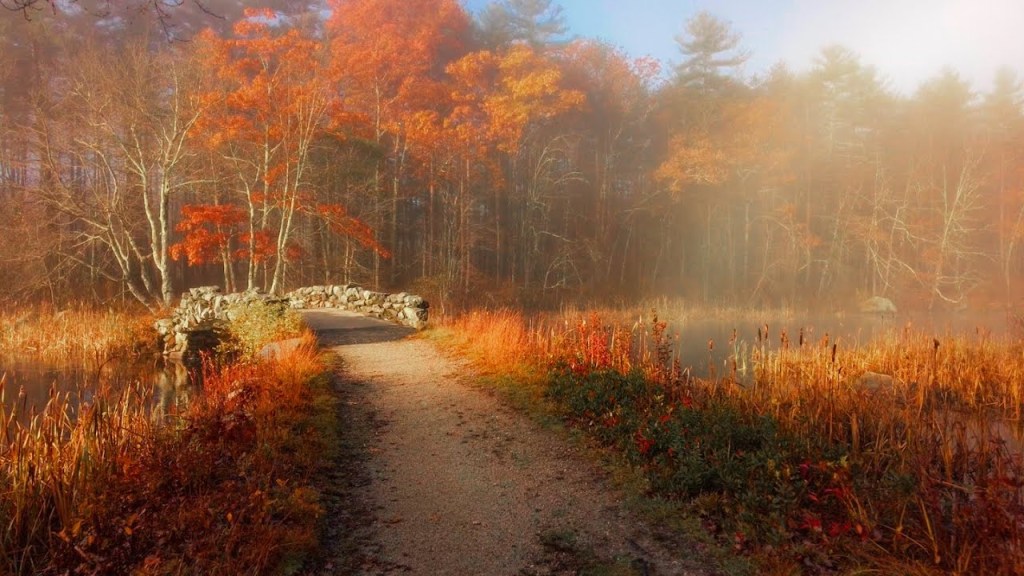
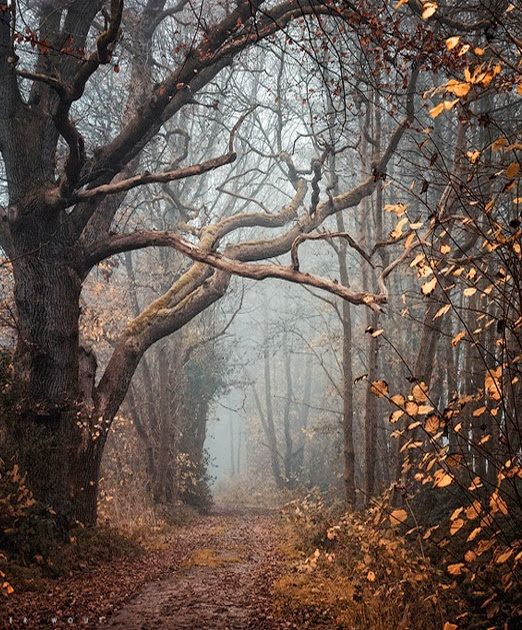
November has a texture all its own — soft, muted, heavy with quiet meaning. It’s the month where the world exhales. The leaves that once burned gold fade into ochre. The air thins into mist. Darkness creeps a little faster each day. And writers, sensitive to the shift, often feel the subtle pull to go inward, sink into mood, and let the atmosphere shape the stories they create.

Whether you’re writing fiction, nonfiction, or poetry, November offers one of the richest sensory palettes of the year. Below is how to use its textures — literal and emotional — to deepen your scenes and elevate your writing.


1. November as a Mood: Quiet, Threshold, Transformation

November sits between extremes: between autumn’s fire and winter’s stillness. This transitional energy is powerful in storytelling because it represents a threshold — the moment before something changes.

Use this atmospheric tension for scenes involving:

  • Characters on the verge of a choice
  • Shifting relationships
  • Inner conflict or identity transformation
  • Worlds entering danger or magic awakening
  • Emotional truths rising to the surface

November is the perfect metaphor for in-between moments, where nothing has fully transformed — but the air says it will.


2. The Sensory Texture of November

November provides vivid sensory cues that naturally ground your scenes and evoke emotion.

Sight

  • Bare branches etched against pale sky
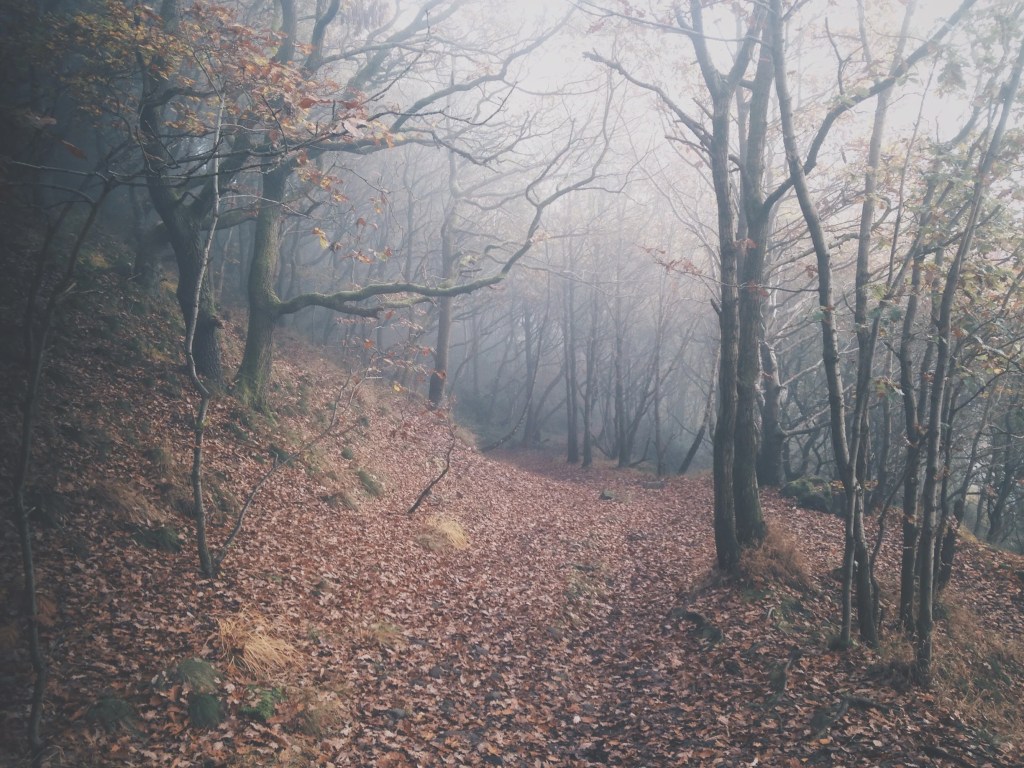
  • Low-lying fog stretching between trees
  • Early darkness and long blue shadows
  • Last leaves clinging desperately to branches
  • Breath turning white with cold

Sound

  • The hush of nearly empty forests
  • Wind shaking loose what remains
  • Soft, steady rain
  • Crackle of a fire
  • Distant geese passing south

Smell

  • Earth damp from rain
  • Wood smoke curling from chimneys
  • Wet leaves and moss
  • The metallic hint of frost

Touch

  • Cold air seeping through sleeves
  • Damp mist clinging to skin
  • Warm mugs held between numb fingers
  • Textures of wool, fleece, and knits

Taste

  • Warm broths, teas, and spiced drinks
  • Harvest flavors: squash, apple, pumpkin

Use just a few of these details to immerse the reader in your world without overwhelming them.


3. November for Emotional Depth

November is a deeply introspective month — almost naturally reflective. Its quiet mood lends itself to emotional writing moments.

It works beautifully for scenes where characters:

  • Admit truths they’ve avoided
  • Confront loneliness, fear, or longing
  • Remember what they’ve lost
  • Bond through quiet, shared moments
  • Anticipate a coming change

The atmosphere itself becomes a collaborator in your storytelling.


4. Using November Weather as a Narrative Tool

Disclaimer: I don’t own pictures

Weather in November becomes symbolic with very little effort:

  • Fog → uncertainty, secrets, blurred truth
  • Cold rain → grief, cleansing, emotional heaviness
  • Bare trees → honesty, exposure, endings
  • Early twilight → intimacy, danger, the unknown
  • Wind → change arriving whether you’re ready or not

Let weather reinforce the scene’s emotional tone.


5. November’s Emotional Palette for Your Characters

November encourages slower pacing and quieter scenes. You can use this month’s atmosphere to inspire:

  • Soft, vulnerable conversations
  • Wordless gestures of comfort
  • Introspective walks or solitary moments
  • Subtle magic or spiritual shifts
  • Characters preparing for a coming event or revelation

In fantasy and paranormal fiction, November is ideal for magic that whispers rather than roars.
In romance, it encourages tenderness.
In horror, its stillness becomes eerie.


6. Writing Exercise: Give Your Scene November’s Texture

Choose a scene (new or existing) and ask:

  1. What emotional temperature defines the moment?
  2. What November sensory detail mirrors that feeling?
  3. Can you replace one line of description with something atmospheric?
  4. What does the character notice when the world quiets down?

Revise using just 2–3 November details to shift tone without overpowering the scene.


7. November-Themed Prompts to Deepen Your Story

  • A character steps into a fogbound forest and finds someone waiting there.
  • The first frost reveals a truth the protagonist can no longer avoid.
  • Two characters seek warmth together on a cold night and say something they shouldn’t.
  • A storm uncovers a secret hidden under fallen leaves.
  • A traveler enters a village where November never ends.
  • A witch senses the season turning in a way no one else feels.
  • A character returns to a childhood place stripped bare for the first time.

Using November’s Texture in Nonfiction and Poetry

November’s quiet beauty isn’t just for fiction. Its sensory richness and symbolism can elevate personal essays, reflective writing, and poetry in powerful ways.


Nonfiction: How to Use November in Essays, Memoirs & Reflective Writing

1. Explore Transitions and Turning Points
November symbolizes change, endings, and preparation.
Perfect for essays on growth, healing, decisions, or resilience.

2. Add Sensory Depth to Real Experiences
Using the smell of wood smoke or the feel of cold mist can ground your memories and reflections.

3. Build Emotional Resonance
Themes that pair naturally with November include:

  • grief
  • clarity after confusion
  • gratitude
  • introspection
  • slowing down
  • embracing stillness

4. Strengthen Your Message Through Metaphor
Let bare branches represent vulnerability.
Let early twilight symbolize uncertainty.
Let rain represent release or transformation.


Poetry: How to Let November Shape Your Lines

1. Use November Imagery as Emotion

  • Frost → longing
  • Fog → forgotten memories
  • Wind → grief or transition
  • Last leaf → stubborn hope

2. Mirror Inner Landscapes with Outer Ones
Let the season reflect your inner state — or oppose it to create contrast.

3. Embrace Metaphor and Minimalism
November’s sparse world supports:

  • short lines
  • fragmented verse
  • poems with open space
  • quiet, intimate language

4. Let Nature Guide Your Rhythm
Write with pauses, slowness, and breath — like the world settling before winter.


Final Thought

No matter what you write — fiction, nonfiction, or poetry — November offers a mood, a rhythm, and a symbolic language that deepens your work. Let its textures guide your prose, sharpen your imagery, and soften your storytelling in all the right places.

Happy Writing ^_^

2025 Months, November 2025

Writing the “First Frost” Moment in Any Genre

There’s something unmistakable about the first frost of the year.

The glittering hush.

The thin breath of winter stretching across the world.

The reminder that things are changing—even if we’re not ready.

For writers, the first frost is more than weather. It’s a symbolic threshold, an emotional beat, and a scene ripe with meaning no matter what genre you write. Whether you’re crafting fantasy, romance, memoir, horror, or sci-fi, that shift from warmth to chill can be a powerful catalyst.

In this post, let’s explore how to use the “First Frost” moment to deepen atmosphere, sharpen tension, and anchor character transformation across genres.

Why the First Frost Matters in Storytelling

Frost marks a turning point—the liminal space between seasons. It tells your reader:

  • Something is ending.
  • Something new is beginning.
  • The world is colder, quieter, or more dangerous.
  • Characters can no longer pretend things are the same.

It’s nature’s built-in metaphor, and you can harness that shift to strengthen mood, theme, and character psychology.

How to Use the First Frost in Different Genres

Below are genre-specific angles so you can weave the moment into any writing style effortlessly.

🌲 Fantasy

In fantasy, frost can be a sign, omen, or magical trigger.

Use the first frost to:

  • Signal a prophecy beginning.
  • Awaken dormant powers tied to cold or death.
  • Reveal frost creeping through a kingdom as corruption spreads.
  • Show nature responding to an unseen force.

Example:

A mage touches the frosted grass and feels magic recoil, whispering of a threat emerging in the north.

💀 Horror

Frost is perfect for horror because cold = vulnerability.

Use the first frost to:

  • Foreshadow a haunting or curse resurfacing.
  • Stall characters’ travel or trap them overnight.
  • Contrast the peaceful setting with the threat to come.
  • Reveal breath on the air when nothing visible is exhaling.

Example:

A character wakes to frost inside the windows—patterns they didn’t recognize as belonging to human hands.

💕 Romance

Frost can heighten intimacy or emotional conflict.

Use the first frost to:

  • Bring characters together around warmth (tea, firelight, shared blanket).
  • Reflect emotional distance between lovers.
  • Symbolize a moment of clarity about feelings.
  • Spark a cozy seasonal motif (first frost kiss, first frost confession).

Example:

They brush frost off the railing and realize their hands are still touching long after the cold has melted.

🌆 Urban Fantasy / Paranormal

The first frost can reveal the supernatural leaking into the mundane.

Use it to:

  • Show a gateway weakening.
  • Let a creature leave icy footprints that vanish quickly.
  • Trigger a ward or sigil that only activates in cold.
  • Mark the return of a rival pack, coven, or immortal enemy.

Example:

A warded alley freezes over, and the main character knows: someone crossed the veil.

🚀 Science Fiction

Cold carries both existential and literal weight in sci-fi.

Use the first frost to:

  • Reflect a failing climate-control system.
  • Indicate terraforming beginning or failing.
  • Reveal contamination from an alien organism.
  • Signal a power shutdown that forces survival stakes.

Example:

The colony dome frosts over for the first time—a warning that their life-support systems are dying.

🌿 Literary Fiction / Memoir

Here, frost is personal, reflective, symbolic.

Use the first frost to:

  • Anchor the timeline in the season.
  • Trigger memories of childhood, family, or loss.
  • Mark the beginning of grief, healing, or emotional numbness.
  • Show the narrator’s inner shift mirrored in nature.

Example:

You notice the frost on the porch—thin, fragile, temporary—and realize your life has felt that way lately.

🕰️ Historical Fiction

Frost can mark survival, hardship, or the turning of a historical moment.

Use the first frost to:

  • Signal the approach of a difficult winter.
  • Heighten urgency for food, travel, or battle.
  • Reflect political tensions rising simultaneously.
  • Foreshadow disaster, migration, or change.

Example:

The frost arrived early that year—so early that the villagers whispered the gods were warning them.

Themes the First Frost Naturally Supports

  • Change and transition
  • Secrets surfacing
  • New dangers
  • Emotional awakening
  • Loss of innocence
  • The start of a journey
  • Clarity after confusion
  • Cycles and turning points

If you’re stuck, ask:

What is ending for my character? What is beginning?

The frost marks both.

First Frost Prompts for Any Writer

Use these to spark a scene, chapter, or short story:

  1. Your character wakes up to frost that wasn’t forecast—and finds a message traced in it.
  2. The first frost causes an ancient creature to stir beneath the earth.
  3. A romance begins (or ends) the morning frost arrives.
  4. Frost appears in a place where frost should be impossible.
  5. The first frost reveals something hidden: tracks, a secret door, a body, a sigil.
  6. Someone touches the frost and sees a memory that isn’t theirs.
  7. Frost strikes early, forcing a difficult decision.
  8. The frost matches a pattern from a dream.
  9. A character realizes their magic responds differently in the cold.
  10. The frost appears only around one character—and follows them.

Final Thoughts

The first frost is more than weather. It’s a threshold moment that whispers:

“The world has changed. What will you do now?”

Use that shift to deepen your world-building, sharpen your emotional beats, and pull your readers into a moment that feels both intimate and mythic.

Happy Writing ^_^

2025 Months, November 2025

🌘 The Waning Moon & the Writer’s Cycle of Release

Letting go to make room for what’s ready to bloom

Every creative life follows a rhythm, but writers feel these rhythms more intimately than most. We live in cycles: drafting and revision, overflow and depletion, clarity and fog, beginnings and endings. The waning moon — the moon shrinking back into darkness — mirrors one of the most important parts of our creative process: release.

This isn’t the glamorous cycle. It’s not the surge of the full moon or the spark of the new. It’s quieter, subtler, and often overlooked. But when you learn to work with the waning moon intentionally, you’ll notice your creative energy becoming steadier, your writing blocks loosening, and a sense of peace returning to your process.

Let’s talk about how.

🌘 What the Waning Moon Symbolizes

As the moon retreats from fullness toward darkness, its energy shifts from expansion to contraction. It asks us to:

  • Let go of what’s no longer helping our creative flow
  • Release old drafts, stuck scenes, or outdated expectations
  • Clear space for new ideas and inspiration
  • Reflect on what’s working and what needs rest
  • Slow down just enough to hear your intuition again

In nature, this is the season of pruning. In writing, it’s the season of editing your emotional attachments.

🌘 Why Writers Need a Cycle of Release

Writers often cling — to characters we love, drafts we’ve labored over, or an ideal version of a story we keep trying to force. But holding on too tightly creates stagnation.

During the waning phase, creative energy naturally pulls inward. Instead of pushing harder, this is when writers thrive by:

  • Releasing perfectionism
  • Setting down a project that hurts instead of helps
  • Clearing clutter in your workspace
  • Letting go of guilt around “not writing enough”
  • Cutting scenes that no longer serve the story
  • Shedding outdated self-stories (“I’m too slow,” “I’m behind,” “I’m not good enough”)

Release isn’t giving up. It’s clearing the path so your true work can move.

🌘 A Waning Moon Writing Ritual

You don’t need candles or a huge setup. Keep it simple and sustainable.

1. Identify what’s weighing you down

Journal or reflect on:

  • What part of your writing feels heavy?
  • What expectations are choking your creativity?
  • Which draft is draining instead of energizing you?

2. Choose one thing to release

Just one.

A fear.

A habit.

A scene.

A belief.

A deadline that doesn’t serve you.

A story you’re no longer aligned with.

Release gently — not through pressure, but through choice.

3. Give yourself permission to let go

Say it aloud or write it:

“I release what no longer serves my writing or my growth.”

4. Create space

Declutter your desk, delete old drafts, or re-organize your plan.

Your brain recognizes spaciousness in your environment.

🌘 Waning Moon Writing Prompts

These are designed to help you loosen your grip and reconnect with creative flow.

  • What am I holding onto in my writing that is ready to be released?
  • Which part of my writing routine feels forced or outdated?
  • What belief about myself as a writer am I ready to set down?
  • What would my creative process look like if I allowed more ease?
  • Which character, scene, or idea is asking to be let go—or reshaped?
  • Where can I simplify in order to move forward?
  • What would I write if I stopped trying to please anyone?

Use one prompt per night during the waning moon for a gentle creative reset.

🌘 Embracing the Quiet Magic of Release

The waning moon reminds us that creativity isn’t a constant upward climb. It’s a cycle. A breath. A tide.

When you allow yourself to release, you:

  • lower creative pressure,
  • soften burnout,
  • make room for deeper ideas,
  • and reconnect with your authentic writer-self.

There is strength in letting go. There is clarity in the dark. And in that quiet space, the next beginning is already forming.

Happy Writing ^_^

2025 Months, November 2025

Aurora Borealis in Fiction: Turning Northern Lights Into Story Magic

For thousands of years, the Aurora Borealis has captured human imagination. Long before scientists understood solar winds or geomagnetic storms, ancient cultures told stories to explain the luminous ribbons sweeping across the northern sky.

In Norse mythology, the lights were believed to be the shields of the Valkyries, reflecting battle-fire as they guided the souls of fallen warriors. Inuit legends described them as the spirits of ancestors playing in the sky. In medieval Europe, the lights were often seen as omens — sometimes of prosperity, sometimes of war.

Today, while we know the aurora is caused by charged particles interacting with Earth’s magnetic field, the sense of mystery has never left. Modern sky-watchers can even track auroral activity through Aurora Alerts, apps and services that notify you when geomagnetic storms are strong enough to make the lights visible farther south. These alerts let people experience the anticipation our ancestors once felt instinctively — waiting for a miracle in the sky.

And for writers? That anticipation is storytelling gold.

The Northern Lights carry an ancient, universal weight: myth, warning, wonder, and the raw magic of nature itself. Whether you write fantasy, romance, paranormal, or atmospheric fiction, the aurora can become so much more than scenery — it can be part of your world’s mythology, your characters’ destiny, or a turning point in your plot.

✨ What the Aurora Borealis Represents in Storytelling

1. A Threshold Between Worlds

The lights feel like a shimmering gateway. Perfect for:

  • World-hopping
  • Spirit realms
  • Fae courts
  • Time-slips
  • Magical awakenings

2. Transformation and Awakening

Their shifting colors mirror power and change:

  • The moment a character’s gift ignites
  • Soulbond activation
  • A curse breaking
  • A prophecy beginning

3. Cosmic Protection or Warning

The aurora can act as:

  • A divine blessing
  • A supernatural alarm
  • A sign of imbalance in the world
  • The sky reacting to powerful magic

4. A Manifestation of Emotion

Perfect for fantasy romance or emotional epics:

  • A lover’s confession altering the colors
  • Grief dimming the sky
  • Rage streaking red across the lights

🌌 Ways to Use the Aurora Borealis in Fiction

✨ 1. The Lights Are Alive

Treat the aurora as a sentient force:

  • Whispering messages
  • Choosing guardians
  • Reacting to specific people
  • Feeding on emotion or magic

✨ 2. Magic Drawn From the Sky

A system where magic comes from the aurora:

  • Spellcasters whose abilities strengthen when alerts predict strong auroras
  • A warrior whose power flares with geomagnetic storms
  • A bond between “Aurora-born” and the sky itself

✨ 3. Soulbond or Fated-Mate Activation

A perfect fit for your fantasy-romance style:

  • Two characters touch hands under the aurora and a dormant bond snaps open
  • Their combined magic alters the aurora’s color
  • A rare color appears only when true mates meet

✨ 4. A Portal or Rift Opening

The aurora marks:

  • A fracture between realms
  • Spirits entering the physical world
  • A sealed being awakening when the lights reach a certain strength

✨ 5. A Curse Tied to the Lights

The aurora triggers something hidden:

  • A character’s beast form returns
  • A mark glows beneath the skin
  • A past life resurfaces
  • A prophecy countdown begins

✨ 6. Aurora as Memory, Time, or Destiny

Use the lights for:

  • Time travel
  • Past-life visions
  • Threads of fate visible in the sky
  • Messages encoded in the shifting colors

✨ 7. Emotion and Atmosphere

For softer, more lyrical fiction:

  • Kisses that change the sky
  • Regrets that dim the colors
  • Healing moments that brighten them

🖋️ Aurora Borealis Writing Prompts for Fiction

🌌 1. Aurora as a Messenger

A rare violet flare ripples across the sky. Every elder knows this color was last seen before the fall of the Old Kingdom.

🌌 2. The Aurora Soulmark

Under the lights, a glowing mark appears on the protagonist’s skin — one the other character has been searching for their entire life.

🌌 3. Aurora-Born

A child is found beneath the aurora, their eyes shifting with the same colors as the sky.

🌌 4. Emotion-Bound Lights

Whenever the protagonist feels deeply, the aurora appears — even in seasons when it should be impossible.

🌌 5. A Kiss That Changes the Sky

The moment their lips meet, the aurora explodes into a color never seen before, revealing a forbidden bond.

🌌 6. Prophecy in the Sky

The aurora twists into an ancient symbol foretelling the rise of a shadow king.

🌌 7. Falling Lights

Pieces of the aurora drift down like glowing snow, and those they touch receive visions or powers.

🌌 8. Aurora as a Prison

The aurora is not a miracle — it is a cage, holding back an ancient being whose seal is weakening.

🌌 9. The Chosen by the Lights

Once every century, the aurora descends to choose one guardian. This time, it chooses someone who never wanted destiny.

🌌 10. A Love Fated by the Sky

Your character always felt the aurora reacted strangely to them. When they finally meet their soulmate, the sky confirms it with a blazing display.

🌟 Final Thoughts

The Aurora Borealis has always carried stories — our ancestors saw gods, spirits, warnings, and wonders in the sky. Today, we have Aurora Alerts and scientific explanations, but the magic is still there, waiting for writers to transform it into fiction.

Use the lights as:

  • a symbol
  • a force
  • a catalyst
  • a living presence

They can shape worlds, ignite romances, spark magic, or mark destiny.

Happy Writing ^_^

2025 Months, November 2025

The Quiet Power of Forgotten Gods in Fiction

Some gods roar across the pages of fantasy—thundering sky deities, raging sea lords, immortal queens who bend empires to their will. But just as powerful, and sometimes even more compelling, are the forgotten gods—the ones left behind by history, buried under shifting cultures, or erased by those who feared their influence.

These quiet, overlooked beings can add a haunting depth to your worldbuilding, shaping themes of memory, power, and the unseen forces that guide your characters. In a world that loves spectacle, forgotten gods remind us that silence can be just as mighty as thunder.

Why Forgotten Gods Enhance Your Storytelling

✅ 

1. They Create an Atmosphere of Mystery

Forgotten gods carry an inherent sense of the unknown. Their absence becomes its own presence.

A temple in ruins. A prayer no one remembers. A symbol carved into stone with no surviving explanation.

These remnants spark curiosity and tension—perfect for drawing readers deeper into your world.

✅ 

2. They Allow for Slow, Powerful Revelation

Unlike active pantheons that appear in full force, forgotten gods leave breadcrumbs:

  • A dream whispered in a character’s youth
  • A prophecy only half translated
  • A relic that hums when touched

Each reveal feels earned, intimate, and meaningful—especially when readers uncover the truth alongside your characters.

✅ 

3. They Symbolize Themes of Loss, Change, and Renewal

Forgotten gods can represent:

  • Erased history
  • Colonial takeover
  • Cultural suppression
  • Cataclysmic events
  • The cost of progress

Or, more personally, they can mirror your protagonist’s internal arc. Characters who feel small or unseen often connect deeply with these neglected divine forces.

✅ 

4. They Add Texture to Your World’s Mythology

A world with forgotten gods feels truly lived in.

Real cultures evolve. Belief systems change. New deities rise, and old ones fall into shadow.

Including gods who’ve slipped from the collective memory makes your world feel older, richer, and more authentic.

How to Use Forgotten Gods in Your Fiction

1. Use Their Absence as a Narrative Tool

Not all gods need temples or cults. Some might be remembered only in:

  • Faded murals
  • Children’s rhymes
  • A superstition no one can trace
  • An old festival stripped of its original meaning

Let the void speak.

2. Give Them Subtle, Lingering Power

Even forgotten, gods may still influence:

  • Dreams
  • Weather
  • The land itself
  • Fate
  • Magic that twists when no one is watching

Their power doesn’t need to be loud. It just needs to persist.

3. Tie Their Story to Your Characters’ Growth

Maybe your protagonist:

  • Awakens an abandoned god
  • Is chosen because they believe in something others don’t
  • Accidentally restores a deity’s influence
  • Learns they are descended from a forgotten divine bloodline
  • Realizes a “curse” is actually a god crying for remembrance

This bond can serve as the emotional backbone of an entire arc.

4. Think About Why They Were Forgotten

This is where the story often blooms.

Ask yourself:

  • Were they erased by rival gods?
  • Were they too powerful—or too kind?
  • Did humans abandon them?
  • Did a kingdom destroy their memory?
  • Did the god choose to withdraw?

A forgotten god’s past can be more compelling than any active pantheon.

Story Seeds Featuring Forgotten Gods

Use these as writing prompts or seeds for future projects:

🌑 

1. The God Who Refuses Worship

A small, gentle god who turned away from humanity centuries ago begins whispering warnings to a single chosen person.

🕯️ 

2. The Festival of Someone No One Remembers

A yearly celebration continues out of tradition—until someone discovers its original god wasn’t benevolent at all.

🌾 

3. The God Buried in the Roots

A deity of nourishment and growth has been forgotten after a kingdom razed sacred forests. Now famine spreads.

🔥 

4. The Forsaken Flame

A fire god extinguished during a war begins flickering back to life in the presence of a reluctant hero.

🐚 

5. The Sea’s Quietest Voice

A minor tide god begins shaping currents to guide a lost traveler toward the truth of their lineage.

Final Thoughts

Forgotten gods are more than relics of a world that once was—they’re bridges between past and present, myth and reality, silence and revelation. Their presence (or absence) invites readers to question what else has been erased and what ancient power still waits to be remembered.

Use them to deepen your worlds, strengthen your themes, and add a quiet, resonant magic to your storytelling.

Happy Writing ^_^

2025 Months, Milestones, November 2025

🌙 Free Sampler: 10 Writing Seeds from Sara’s Writing Sanctuary

🩸 1. Blood & Moonlight Chronicles

A cursed moon bleeds red once every century, awakening the first heir of a forgotten bloodline—and demanding a sacrifice from their kin.


🌩️ 2. Mythica: The Tome of Elemental Beasts

A storm spirit takes the form of a wounded wolf, drawn to lightning and grief. Whoever heals it gains power over thunder—but loses their voice to the wind.


🎭 3. Midnight Masquerade (Spicy Romantasy)

Two masked rivals are bound by a magical waltz that forces them to mirror each other’s movements until one confesses the truth beneath the mask.


☕ 4. Coffee Shop of Curiosities

A customer orders a cappuccino every morning at exactly 6:06 a.m.—and each cup reveals a single word from a letter they never wrote.


👑 5. Lost Heir of the Throne

A lost prince returns disguised as a historian, tasked with uncovering his own rebellion from the pages of forbidden chronicles.


🌍 6. Mythical Lost World

Deep within a desert storm, an ancient ship appears sailing through the sands. Those who board never return, but their voices whisper on the wind.


⚔️ 7. Epic Fantasy Plot Ideas (with Twists)

Plot: A chosen hero slays the monster terrorizing the realm.
Twist: The monster was guarding the world from something far worse—and now it’s free.


🐉 8. Dragon-Vampire Hybrid Plot Ideas

A dying dragon bargains with a vampire priest for blood strong enough to survive an eclipse—creating the first eclipse-wyrm.


🔥 9. Unique Powers for Vampire-Dragon Hybrids

Power: Bloodmirror Flame — Fire that reflects the heart of whoever it touches, burning hotter with guilt or darker with grief.
Plot Use: A hybrid’s control falters when confronted by someone who still loves them.


🦋 10. Creature Plot Hooks

The Moonshadow Stag appears once per eclipse. It grants a single wish—but only to those willing to give up what they wished for most.


Want More?
Explore the full collections and start your next dark, romantic, or mythic story today:
👉 Visit Sara’s Writing Sanctuary on Payhip

Happy Writing ^_^

2025 Months, November 2025

How to Use Dreams and Visions in Fantasy Storytelling

A guide for writers who love symbolism, prophecy, and mystical narrative threads

Dreams and visions have always been powerful storytelling tools. They blur the edges of reality, reveal buried truths, and allow writers to explore the deeper emotional and mythic layers of a character’s journey. In fantasy, they become even more potent: a dream can be a message from a god, a warning from the future, a reminder from a past life, or a doorway into forgotten magic.

If you’ve ever wanted to weave dreams and visions into your worldbuilding or character arcs, this guide will help you do it with clarity, depth, and meaning.

Why Dreams Work So Well in Fantasy

Fantasy thrives on the unseen—the whispered magic, the hidden history, the forces that shape a world from the shadows. Dreams naturally fit into this realm because they:

✅ 

Reveal information characters shouldn’t logically know

Prophecies, ancestral memories, past-life echoes, and divine warnings all flow naturally through dreams.

✅ 

Strengthen emotional intimacy

A dream can expose a character’s deepest fear or desire long before they are ready to say it aloud.

✅ 

Deepen the mythology of your world

If magic has rules, dreams can become part of that system—visions gifted by elements, spirits, celestial beings, or the land itself.

✅ 

Introduce stakes or foreshadowing

A dream can hint at things to come without giving away the entire plot.

Types of Dreams & Visions You Can Use

1. Prophetic Dreams

These provide glimpses of possible futures—but the fun comes when the dream is symbolic, incomplete, or misinterpreted.

Example:

A character dreams of a burning crown, believing the king will die—when in truth, the “crown” is a volcano’s rim about to erupt.

2. Memory Dreams

Perfect for characters with amnesia, sealed powers, or reincarnation.

Example:

A warrior dreams of fighting beside a stranger, only to later realize it was their past self and their soul-bonded mate.

3. Warning Visions

Delivered by spirits, gods, ancestors, or even the land.

These often trigger a quest or shift the plot’s direction.

4. Emotion-Driven Dreams

Nightmares fueled by trauma, grief, or desire. Great for building internal conflict.

5. Realm-Crossing Dreams

Dreams that act as portals. The dreamer may:

  • meet a deity
  • speak with the dead
  • step into a magical plane
  • encounter a version of themselves they didn’t know existed

How to Use Dreams Without Overusing Them

Dreams can be powerful—but if used too often, they lose impact. Here’s how to keep them meaningful:

✅ 

Give each dream a purpose

Ask yourself:

Does this vision reveal plot, deepen character, or expand the world?

If not, cut it.

✅ 

Make dreams ambiguous

Fantasy readers love puzzle pieces. A dream should guide your character, not give them the answer.

✅ 

Limit who receives visions

If everyone gets magical dreams, they stop being special.

Give this ability to:

  • a chosen character
  • a cursed character
  • a magically bonded pair
  • someone touched by gods or ancient magic

✅ 

Use sensory details that echo waking life

This creates immersion and subtle foreshadowing.

Example:

If a character hears whispering wind in their dreams, and later a wind spirit appears, the reader feels the connection immediately.

How Dreams Can Shape Character Development

Dreams aren’t just plot devices—they’re emotional landscapes. They can:

• Reveal fears the character hasn’t admitted

• Force the character to confront temptation

• Trigger a moral dilemma

• Provide comfort, hope, or guidance

• Act as the first hint of a magical bond or soulmate connection

Example:

A character dreams of someone they’ve never met touching their hand. When they finally meet, the same sensation hits—and both realize fate has already tied them together.

(Fantasy romance writers especially love this!)

Dreams in Magic Systems & Worldbuilding

You can integrate visions into your world so they feel like a natural part of the lore:

🌙 

Moon magic causes vision-dreams on certain nights

Perfect for your Moon Journals.

🔥 

Elemental mages dream in symbols tied to their element

Water mages get fluid, shifting dreams.

Fire mages see flashes, emotion, and burning truths.

⚔️ 

Warriors share battle memories with past generations

Through ritual dreaming or ancestral bloodlines.

🖤 

Cursed characters experience prophetic nightmares

The curse itself leaks truth into their dreams.

🌿 

Nature-born beings dream the land’s memories

Trees, roots, fae forests, or ancient spirits speak through dreamscapes.

Dream Scenes Writers Can Use

Here are some ideas you can add to any fantasy WIP:

✅ 

A dream where the character hears their true name for the first time

(This can unlock sealed magic.)

✅ 

A vision of a future enemy wearing the character’s symbol

(Betrayal or fate twist.)

✅ 

A dream shared between soulbonded or magically linked characters

(Intimacy + foreshadowing.)

✅ 

A nightmare showing a warped version of the world

(A prophecy of what will happen if the villain wins.)

✅ 

A dream that repeats—but changes slightly each time

The character must decode what’s shifting.

Writing Challenge: Dreamcraft for Fantasy Writers

Try these for your blog readers:

  1. Write a dream where nothing feels wrong… except one tiny detail.
  2. Write a vision from the POV of a future version of your character.
  3. Write a shared dream between two characters who haven’t met yet.
  4. Write a nightmare that contains one comforting symbol.
  5. Write a dream that becomes physically real when the character wakes up.

Final Thoughts

Dreams and visions are some of the richest tools in the fantasy writer’s toolkit. When handled with intention, they:

✨ deepen character

✨ enrich the world

✨ push the plot forward

✨ create emotional resonance

✨ leave readers with that “enchanted” feeling

If you lean into symbolism, emotion, and mystery, your dream scenes will feel powerful—not random—and your story will benefit from layers of magic and meaning.

Happy Writing ^_^

2025 Months, November 2025

🕯️ The Beaver Moon Writing Challenge: “Build Your Creative Sanctuary”

Goal: Write something that reflects the themes of preparation, protection, and perseverance. This could be a scene, poem, or reflection that mirrors your current creative season.

Pick one of these moon-infused prompts:

🌕 1. “The Shelter of Stories”

Write about a character who builds something safe—a home, a promise, or a memory—to protect what they love before winter comes.
🪶 Challenge: Use sensory details that evoke warmth and comfort.

🌕 2. “Frozen in Time”

As the frost settles, something (or someone) must be preserved until spring.
🔥 Challenge: Write a 300–600 word flash fiction about a moment suspended in ice—literal or emotional.

🌕 3. “The Quiet Before the Cold”

Your protagonist senses change approaching. Capture their internal stillness before transformation.
🌙 Challenge: End your scene with a symbol of light—a candle, a reflection, or the moon itself.


🌔 Moon Journaling Prompts for the Beaver Moon

Use these journaling prompts to tune into your inner world under November’s moonlight. Reflect, release, and record what this season is teaching you.

✍️ Creative Reflection

  • What projects, ideas, or dreams are asking to be “finished” before the year ends?
  • Where do I need to create structure or boundaries to protect my creativity?
  • How can I nurture my imagination during slower or quieter months?

🌙 Emotional Grounding

  • What emotional warmth am I carrying into winter?
  • What do I need to let go of before the next creative cycle begins?
  • How can I make my writing practice feel more like a sanctuary?

🌕 Mini Ritual for the Beaver Moon

You can do this before journaling or after writing:

  1. Light a candle or turn on a soft lamp.
  2. Write one intention for what you’ll build or finish before year’s end.
  3. Speak it aloud, then place your hand over your heart.
  4. Whisper: “I build my light through words.”

Take a moment to sit in gratitude for your creativity—your quiet fire through the cold.


🐾 Bonus Creative Prompt: “Moonlit Reflections”

Write a short piece (poem, drabble, or journal entry) beginning with:

“The moon watched as I built my refuge…”

Let it unfold naturally. Let the words be your shelter tonight.


🌕 Closing Thoughts

The Beaver Moon reminds us that slowing down doesn’t mean stopping—it means preparing the ground for what’s next.
Honor your creative hibernation. Build your refuge of words. Let your writing become the warmth that carries you through the darker months.

💌 Share your reflections or stories:
Tag your posts with #BeaverMoonChallenge or #SarasWritingSanctuary so others can join you under this moon’s glow.

Happy Writing ^_^

2025 Months, November 2025

✨ Explore the Realms of Imagination — My New Writing Prompt Collections Are Live on Payhip!

If you’ve ever stared at a blank page and wished for a spark — something dark, romantic, or mythic to ignite your creativity — you’ll love what’s waiting for you in my new Payhip shop!

Each collection is crafted to help writers, worldbuilders, and dreamers like you dive straight into storytelling magic. Whether you’re writing a fantasy epic, a gothic romance, or a cozy urban tale, you’ll find prompts designed to fuel new ideas and break creative blocks.


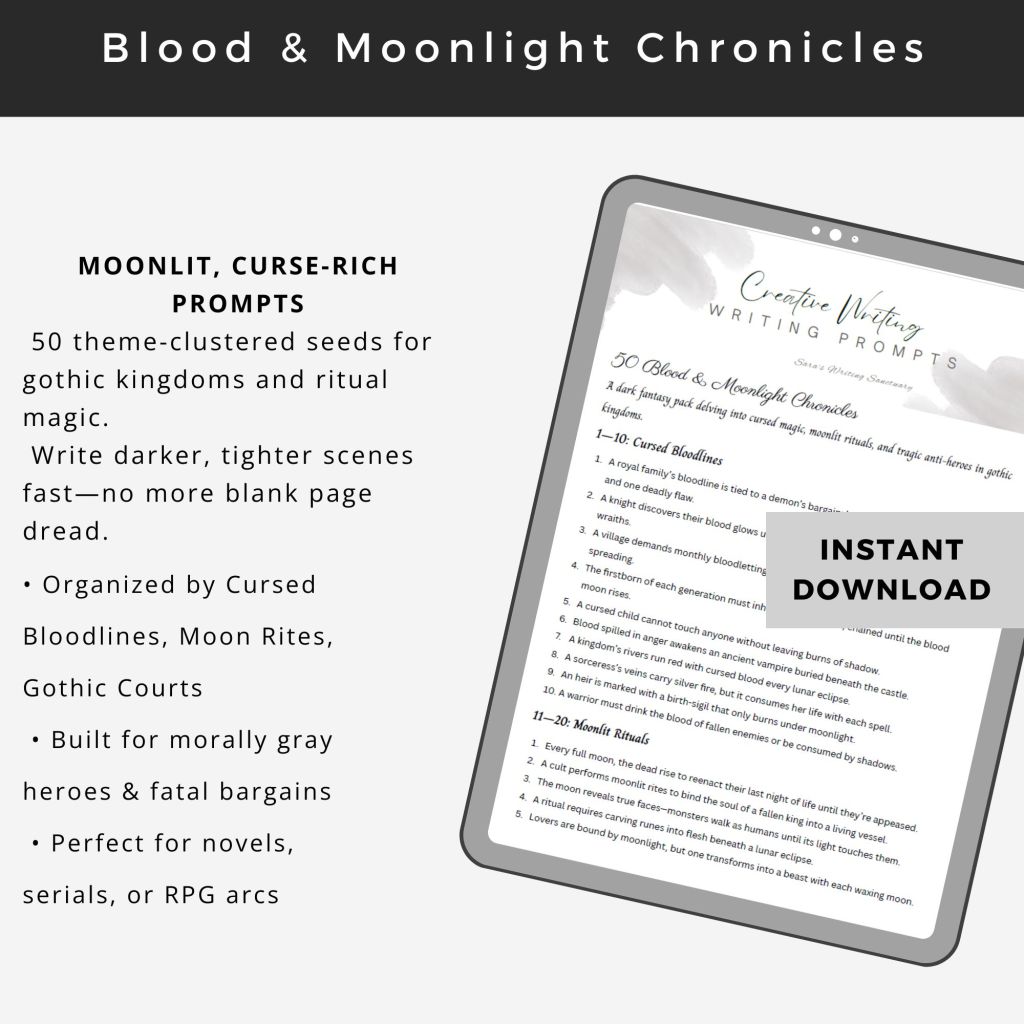
🩸 Blood & Moonlight Chronicles

Moonlit, curse-rich prompts for gothic kingdoms and ritual magic.
Perfect for morally gray heroes, fatal bargains, and stories woven in shadow.
Organized by Cursed Bloodlines, Moon Rites, and Gothic Courts.

Ideal for: Dark fantasy writers, serial creators, or RPG storytellers.


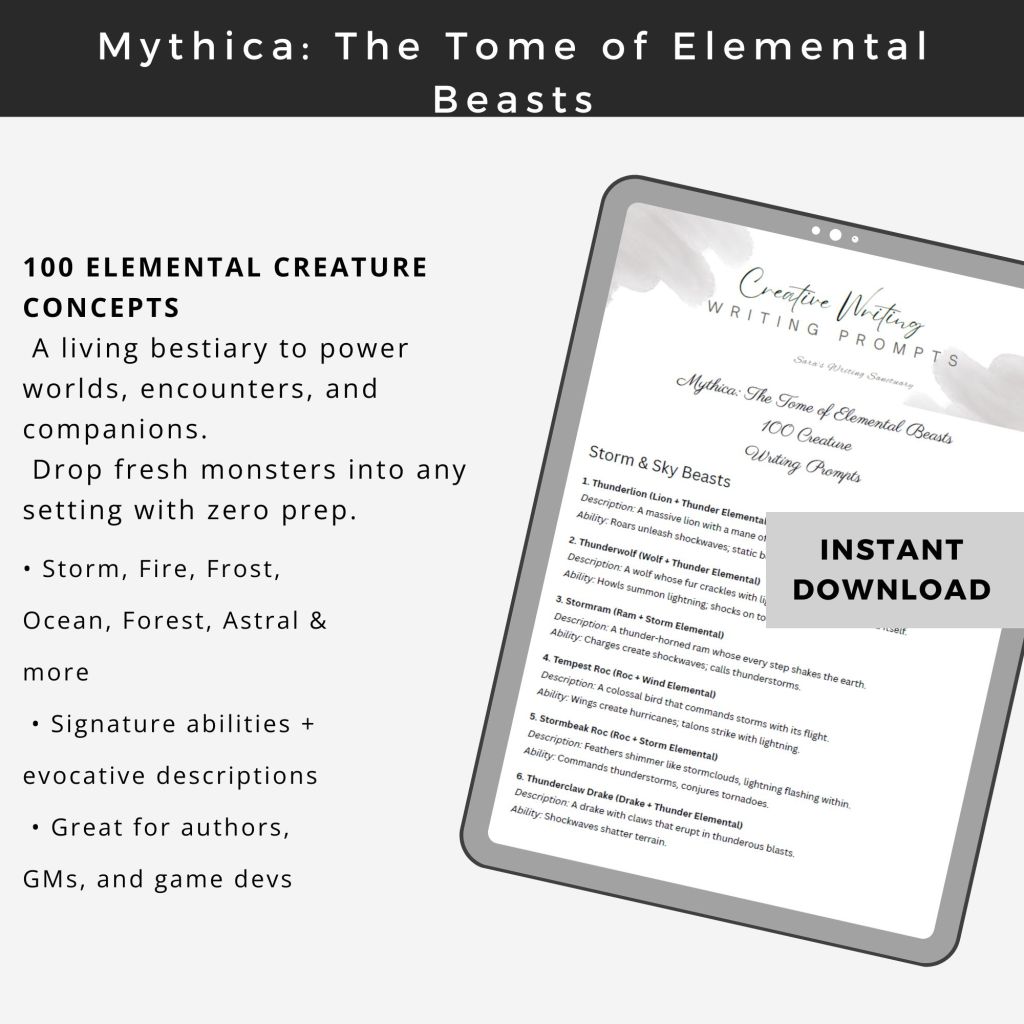
🌩️ Mythica: The Tome of Elemental Beasts

100 elemental creature concepts for worldbuilding and encounters.
From storm lions to forest spirits, drop fresh monsters into any setting — no prep needed.
Includes signature abilities and evocative descriptions.

Ideal for: Authors, GMs, and fantasy game developers.


🎭 Midnight Masquerade (Spicy Romantasy)

Ballroom danger meets delicious tension!
50 high-tension prompts for masked courts, vampire salons, and dangerous desire.
Includes tropes like enemies-to-lovers, blood oaths, and slow-burn to scorching scenes.

Ideal for: Duet series, episodic stories, and romantasy lovers.


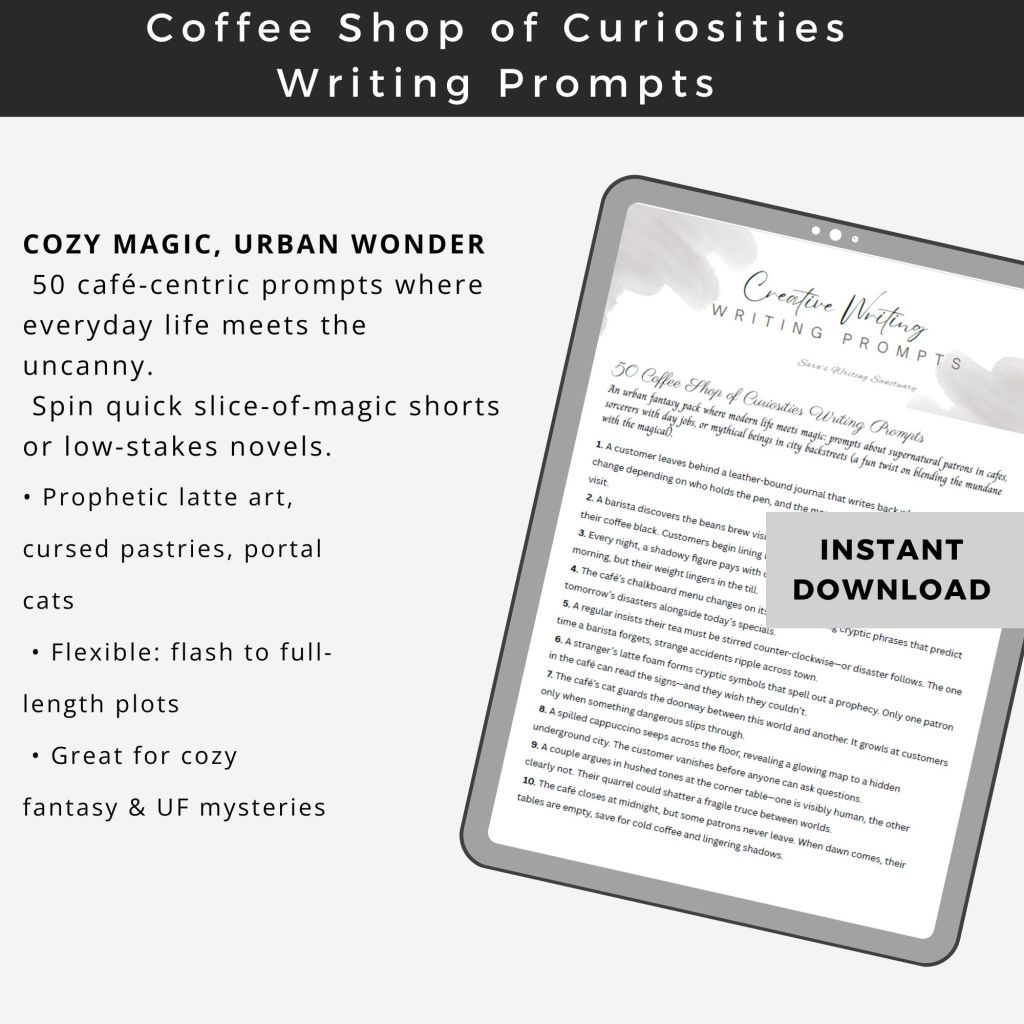
Coffee Shop of Curiosities

Cozy magic with urban wonder.
50 café-centric prompts where everyday life meets the uncanny.
Prophetic latte art, cursed pastries, and portal cats await.

Ideal for: Cozy fantasy and urban fantasy mystery writers.


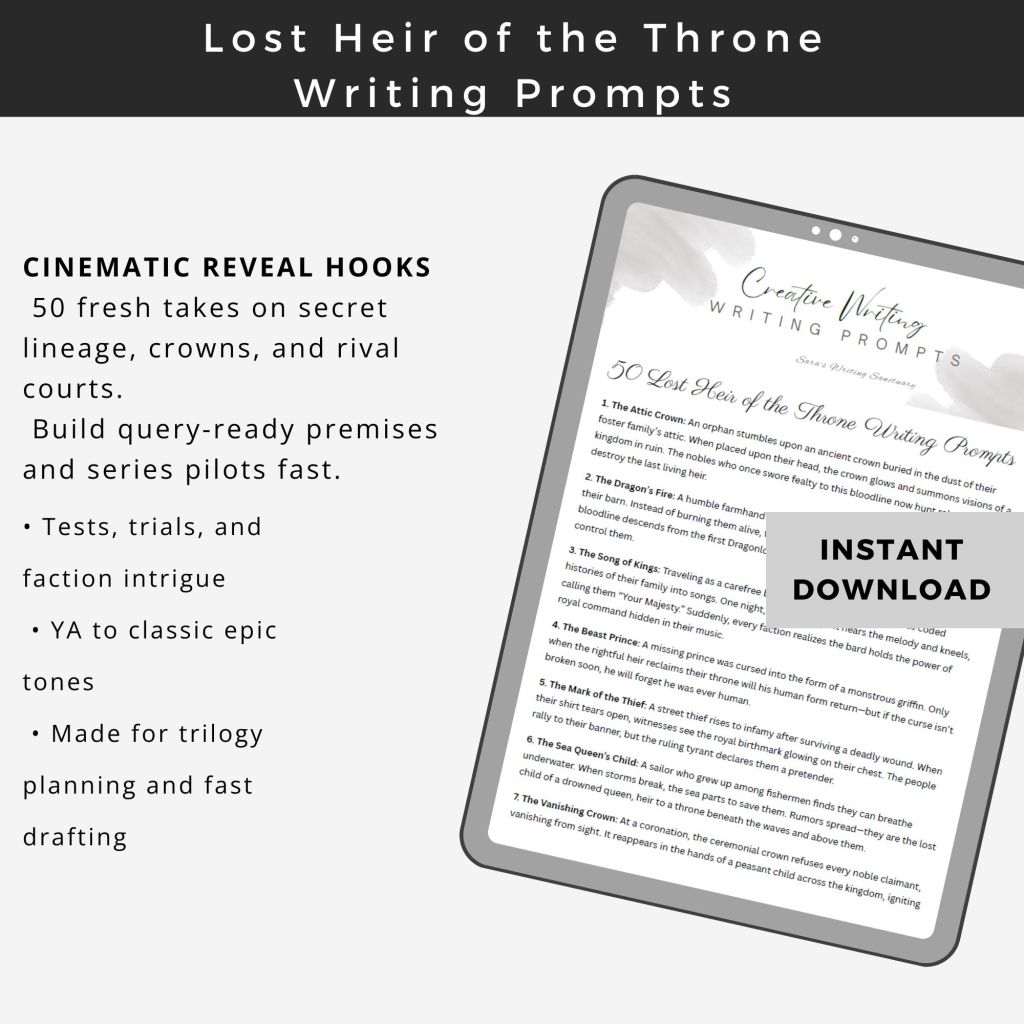
👑 Lost Heir of the Throne

Cinematic, reveal-driven prompts for lineage, crowns, and rival courts.
Tests, trials, and YA-to-epic intrigue for series or trilogy planning.

Ideal for: Writers building royal sagas or fast-drafting epics.


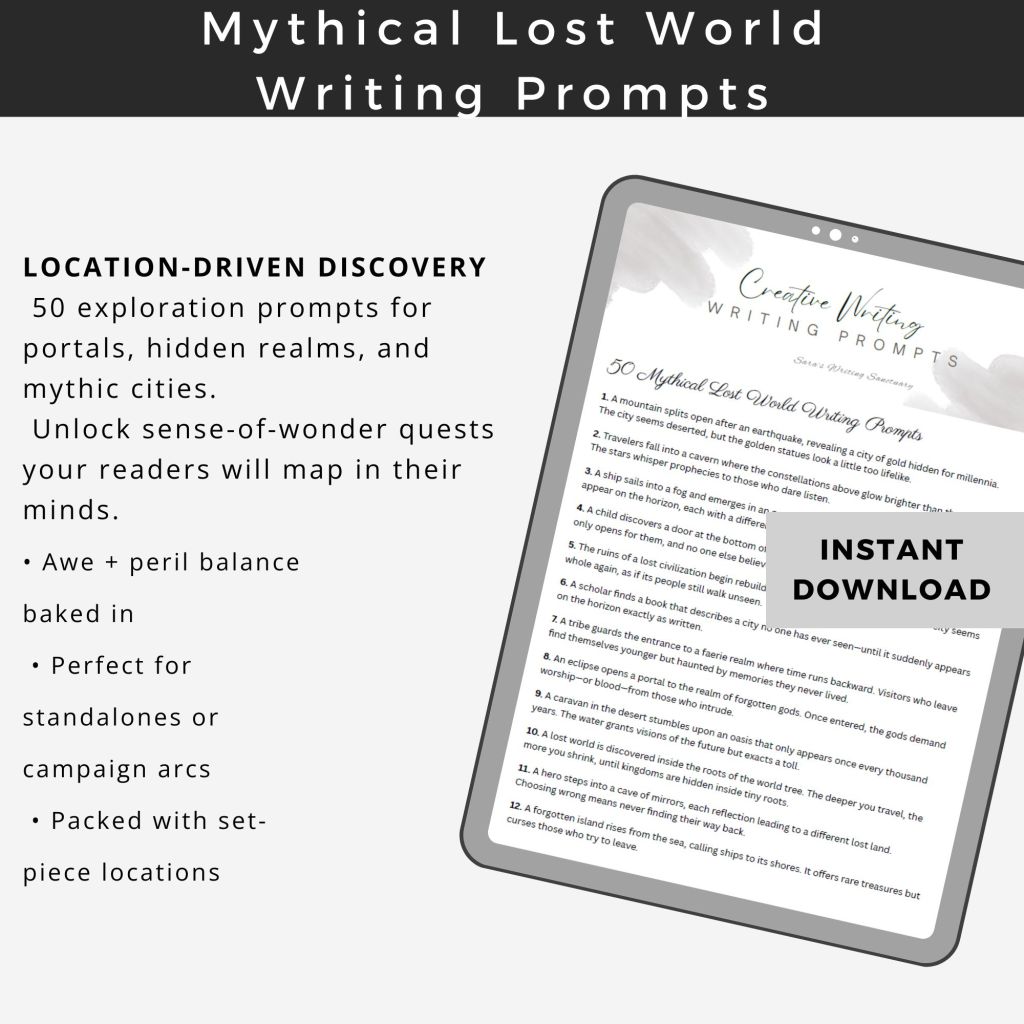
🌍 Mythical Lost World

Location-driven discovery prompts for portals, hidden realms, and mythic ruins.
Awe + peril baked in — perfect for standalone adventures or campaign arcs.

Ideal for: Fantasy explorers and quest-based writers.


⚔️ Epic Fantasy Plot Ideas (with Twists)

50 big-scope plots with built-in surprise turns.
Each prompt includes a “Plot” and “Twist” — plug-and-play for your next novel outline.

Ideal for: Writers planning trilogies, beat sheets, or story pitches.


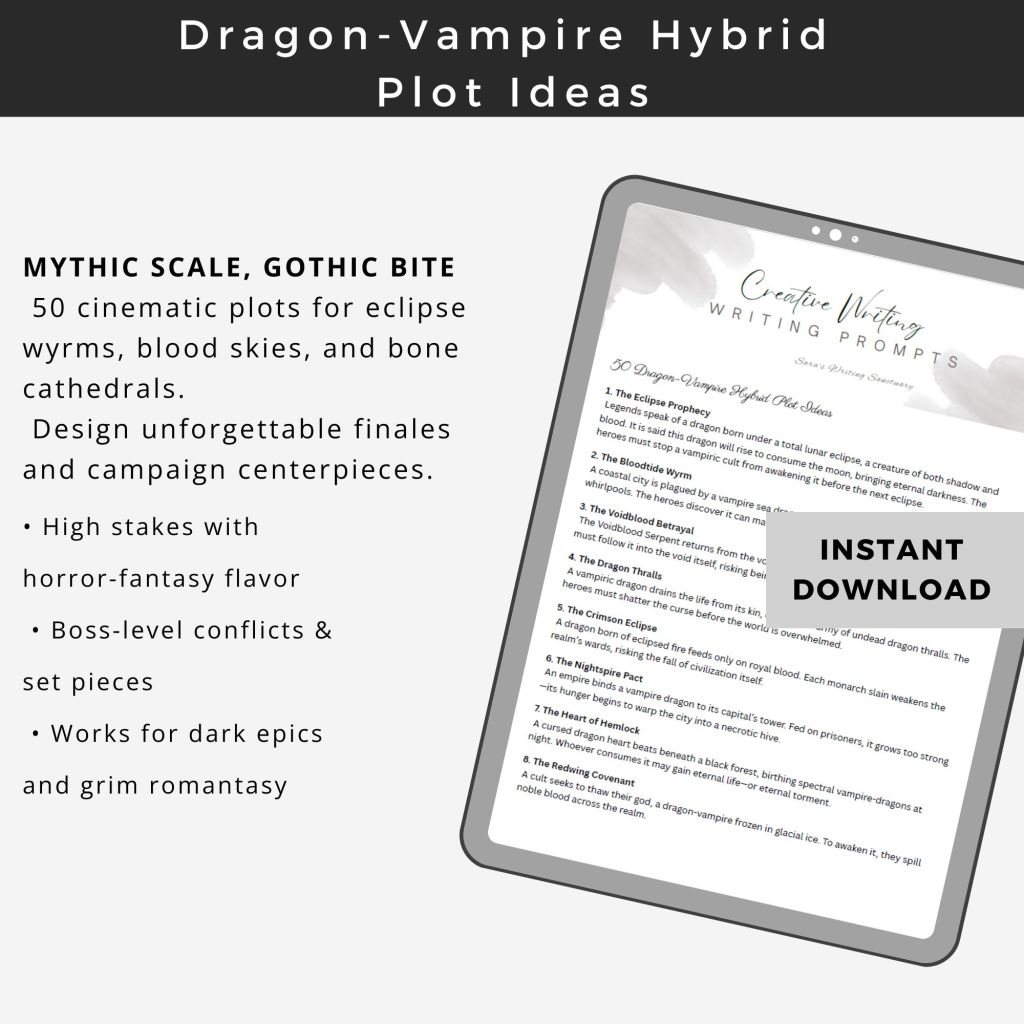
🐉 Dragon-Vampire Hybrid Plot Ideas

Mythic scale meets gothic bite.
50 cinematic plots for eclipse wyrms, blood skies, and bone cathedrals.
Expect boss-level conflicts, horror-fantasy tones, and unforgettable finales.

Ideal for: Dark fantasy and grim romantasy creators.


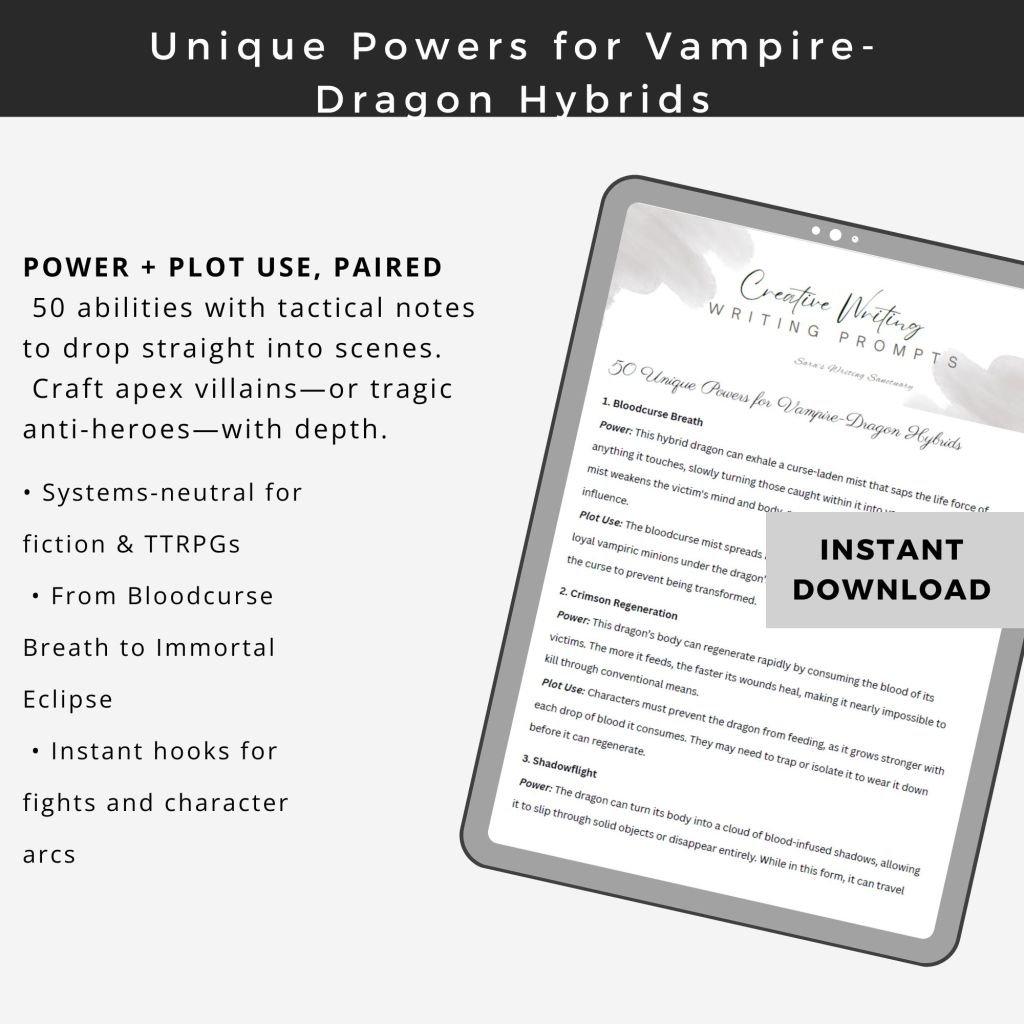
🔥 Unique Powers for Vampire-Dragon Hybrids

50 hybrid abilities with tactical notes for scenes, fights, and arcs.
From Bloodcurse Breath to Immortal Eclipse, perfect for fiction or TTRPGs.

Ideal for: Writers crafting anti-heroes, villains, or cursed legends.


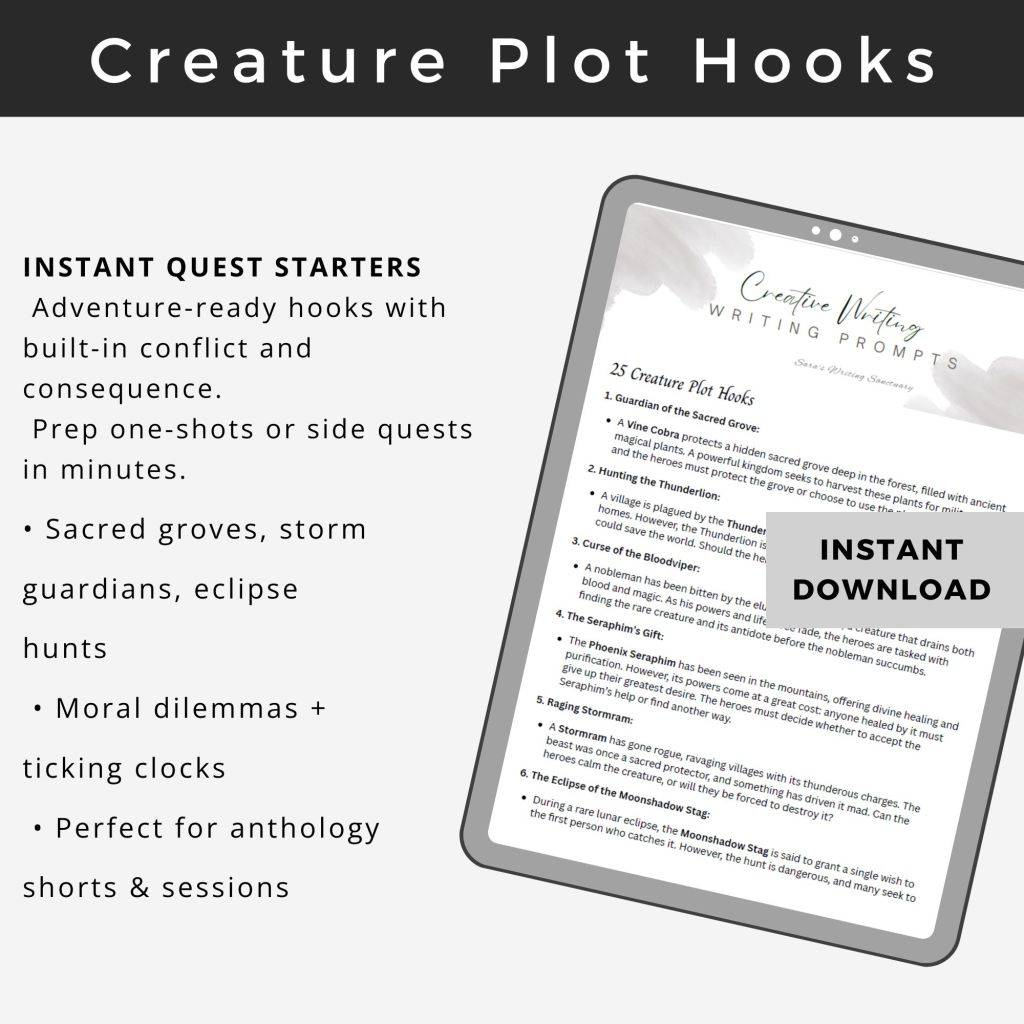
🦋 Creature Plot Hooks

Adventure-ready quest starters packed with built-in tension and wonder.
Sacred groves, eclipse hunts, moral dilemmas — ready to drop into any story.

Ideal for: Anthology shorts, campaign one-shots, and fantasy storytellers.


💫 Ready to Explore?

All collections are instant downloads, beautifully formatted for easy use on any device.
You can browse them all now in my shop:

👉 Visit My Payhip Store — Sara’s Writing Sanctuary

Whether you’re crafting a gothic saga, plotting your next fantasy series, or just want to write for fun, these packs will help you build worlds, ignite ideas, and fall in love with writing again.

50 Halloween Writing Prompts is only available through link

What’s Coming Next
I’ll be adding even more collections for the holidays and the new year — so keep an eye out for fresh inspiration! I’m also creating a dedicated page where you can easily find all the links to my writing packs anytime, along with a new Contact Page so you can reach out directly.

Your thoughts and comments are always welcome — I love hearing from fellow writers and creators. 💬