
We live in a world that treats discipline like a cure-all.
If you’re stuck, you must not be trying hard enough.
If you’re tired, you must be inconsistent.
If you haven’t written in days—or weeks—you must need stricter rules.
But for many writers, especially those navigating chronic illness, burnout, emotional labor, or long creative seasons, the problem isn’t a lack of discipline.
It’s creative fatigue.
And the solution isn’t pushing harder.
It’s learning how to rest without guilt.
What Creative Fatigue Actually Is
Creative fatigue isn’t laziness. It isn’t failure. And it isn’t a lack of passion.
Creative fatigue happens when your creative well is depleted, not blocked.
It often shows up when you’ve been:
- Emotionally processing heavy material
- Writing through stress, illness, or survival mode
- Forcing productivity without replenishment
- Ignoring your body’s signals for “just one more push”
Unlike procrastination, creative fatigue doesn’t disappear when you sit down and try harder. In fact, pushing through it often makes the exhaustion worse.
Signs You Need Rest (Not Discipline)
Here are some gentle signals that your creativity is asking for care, not correction:
1. Writing Feels Physically Heavy
Not just mentally difficult—but draining. Your shoulders tense. Your chest tightens. Your body resists.
That’s not avoidance. That’s fatigue stored in the nervous system.
2. You Want to Write—but Can’t Sustain Focus
You still love your story. You still think about it. But your attention slips after a few minutes, leaving you foggy or overstimulated.
This often means your brain needs recovery time, not stricter schedules.
3. Everything You Write Feels “Wrong”
When fatigue sets in, self-criticism gets louder. Sentences feel flat. Ideas feel dull. You may start believing you’ve “lost it.”
You haven’t. You’re just tired.
4. You’re Only Motivated by Guilt
If the only thing pulling you toward the page is shame—I should be writing—that’s a sign discipline is being used as a weapon instead of a support.
Creativity doesn’t thrive under punishment.
5. Rest Feels Uncomfortable or “Unproductive”
If rest makes you anxious, restless, or guilty, it’s often because you’ve been trained to equate worth with output—not because rest isn’t needed.
Discipline vs. Devotion
Discipline says: Show up no matter what.
Devotion asks: What does showing up look like today?
Sometimes devotion looks like:
- Writing 300 messy words
- Journaling instead of drafting
- Reading instead of producing
- Doing nothing—and letting your nervous system settle
Rest is not the opposite of commitment.
It’s part of the creative cycle.
Winter is not a failure of spring.
What Rest Can Look Like (Without Abandoning Your Identity as a Writer)
Rest doesn’t mean giving up on your work. It means changing how you relate to it.
Here are restorative alternatives to “push through it” writing:
- Micro-writing: one sentence, one image, one line of dialogue
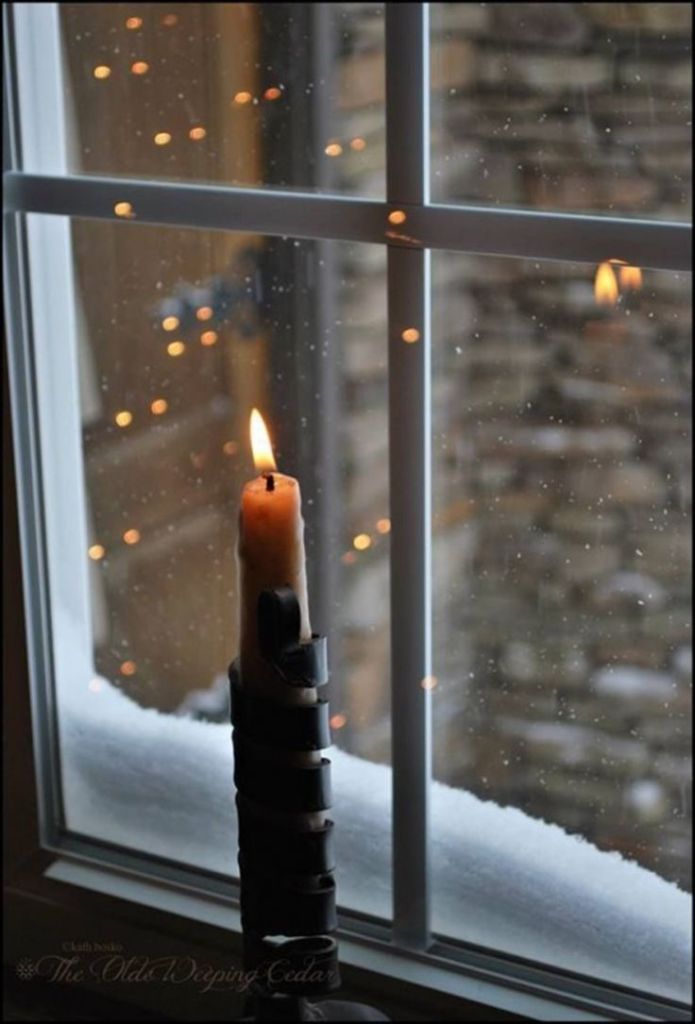
- Sensory refills: music, nature sounds, lighting a candle, touching textures
- Creative adjacency: reading in your genre, collecting images, daydreaming
- Low-stakes writing: notes, voice memos, character feelings instead of plot
- Intentional pauses: choosing rest on purpose, not as a failure response
These keep the creative thread alive without draining what little energy you have.
When Discipline Is Helpful
Discipline has a place—but only when your body and mind have capacity.
It works best when:
- You feel rested but distracted
- Fear—not exhaustion—is the main barrier
- You need structure, not recovery
The key question isn’t “Am I being disciplined enough?”
It’s “Am I resourced enough?”
A Gentle Reframe
You don’t need to earn rest by burning yourself out.
You don’t need to prove your devotion through suffering.
You don’t need to punish yourself back into creativity.
Sometimes the bravest creative choice is to pause—and trust that your stories will return when you do.
Because they always do.
Reflection Prompt (Optional for Readers)
Ask yourself:
If I treated my creativity like a living thing instead of a machine, what would it be asking for right now?
Happy Writing ^_^

 Sara's Writing Sanctuary