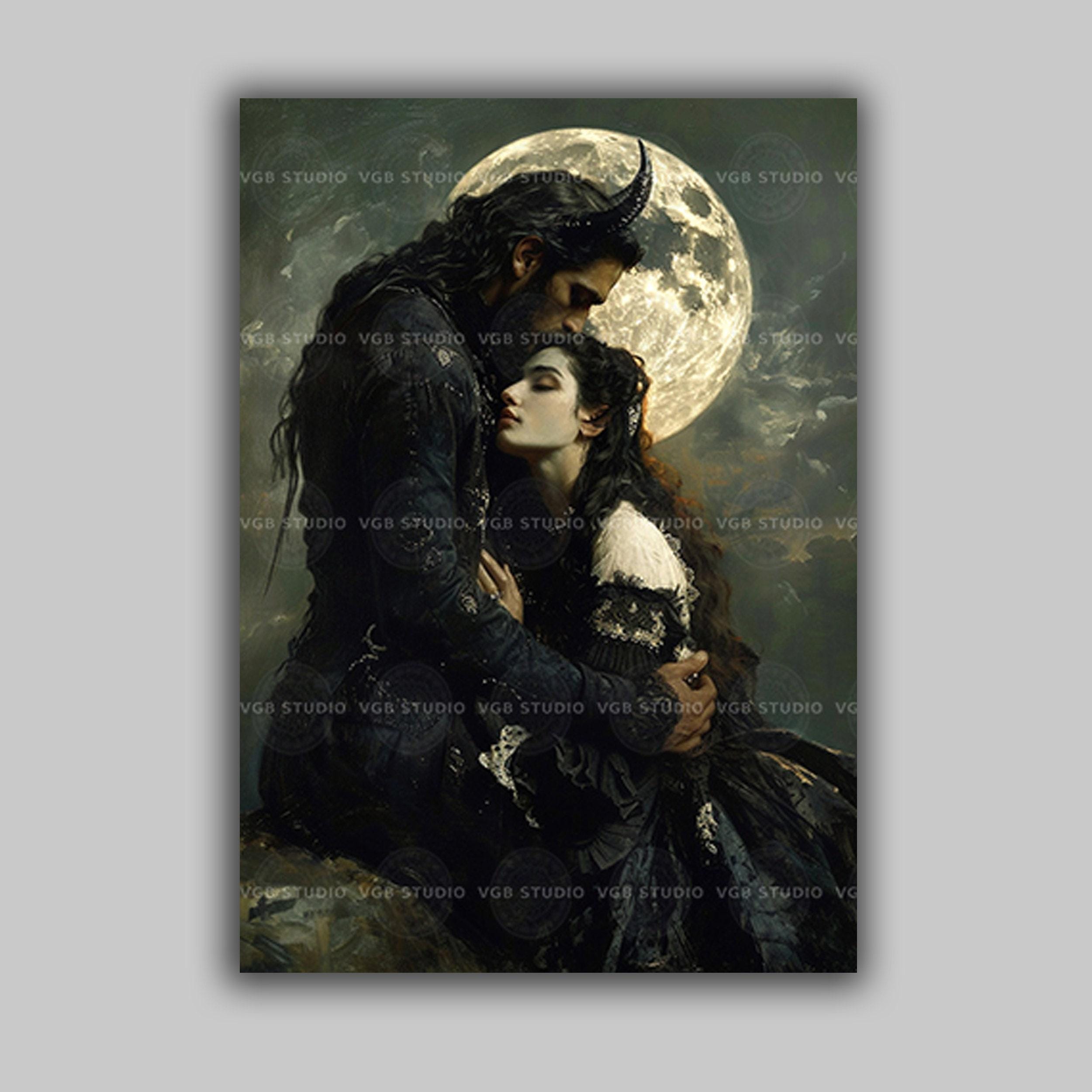
2026, February 2026

The Character Who Is Becoming Dangerous

Not evil — just done shrinking.

In many stories, the most compelling characters are not the heroes who were always strong. They are the ones who spent years being quiet, careful, and small. They learned to survive by staying out of the way, by apologizing too quickly, by folding parts of themselves into the corners of rooms so others could feel comfortable.

And then something changes.

Not all transformation is loud. Sometimes it is quiet. Sometimes it begins with a single realization:

I don’t have to keep being small.

This is the moment a character becomes dangerous.

Not because they turn cruel.
Not because they suddenly seek power.
But because they stop shrinking.

The Slow Build of Power

Characters who become dangerous often start as the ones people underestimate.

They are the ones who listen more than they speak.
The ones who observe everything.
The ones who carry wounds that others never notice.

For a long time, they try to survive by adapting. They soften their voice. They swallow their anger. They forgive things that should never have been forgiven.

But pressure builds inside them like a storm behind the horizon.

Eventually something breaks the silence.

A betrayal.
A loss.
A realization that no one is coming to save them.

When that moment arrives, the character does not become someone new.

They simply stop pretending to be harmless.

Why These Characters Feel So Powerful

Readers connect deeply with characters who reach this point because the transformation feels real. Most people know what it is like to hold themselves back. To avoid conflict. To choose peace even when something inside them whispers that they deserve more.

When a character finally stops shrinking, it feels like watching someone step into their true shape.

And that can be terrifying to those around them.

The world inside the story was comfortable with the smaller version of them.
The quiet version.
The easy version.

But the new version asks questions.

They set boundaries.
They refuse to accept old rules.
They challenge systems that once controlled them.

That is why people in the story begin to call them dangerous.

Dangerous Does Not Mean Evil

One of the most interesting tensions in fantasy and romance stories is how society reacts to people who reclaim their power.

A character who fights back is labeled violent.
A character who refuses control is labeled rebellious.
A character who stops apologizing is labeled cold.

But none of these things mean the character is evil.

Often, the so-called “dangerous” character is simply someone who has learned their worth.

They know what they will protect.
They know what they will no longer tolerate.

And that clarity changes everything.

Writing This Transformation

If you are writing a character like this, the key is to show the gradual shift.

The danger should not appear all at once. It should grow in small moments:

  • The first time they say no without apologizing.
  • The first time they refuse to carry someone else’s burden.
  • The first time they allow their anger to speak instead of burying it.

These moments are subtle, but together they build toward something powerful.

By the time the character fully steps into their strength, readers should understand exactly how they arrived there.

The transformation feels earned.

A Different Kind of Strength

The most fascinating characters are not the ones who were born powerful.

They are the ones who were told they were too much…
or not enough.

The ones who were expected to stay quiet.

And one day they decide they won’t.

That is the moment the story changes.

Because the character who once survived by shrinking has finally realized something important:

They were never dangerous.

They were simply powerful all along.


A Reflection for Writers

Think about one of your characters.

  • What made them learn to stay small?
  • What moment might make them stop?
  • And what kind of power might emerge when they finally do?

Sometimes the most unforgettable character in a story is not the villain.

It is the one who finally stops asking permission to exist.

Happy Writing ^_^

2026, February 2026

Before March Begins: A Writer’s Gentle Reset

February always feels like a threshold.

Not quite winter.
Not quite spring.
Not quite the version of ourselves we hoped we would be at the start of the year.

If you’re anything like me, you might be carrying a mix of ambition and exhaustion right now. Maybe you started January with a detailed writing plan, color-coded goals, and a hopeful heart. Maybe chronic illness flared. Maybe life asked for more than you expected. Maybe the words came slower than you imagined.

Before March begins, let’s not rush forward.

Let’s reset — gently.


1. Release the Pressure to “Be Further Along”

Writers are dreamers, and dreamers are ambitious by nature. We imagine the finished book. The polished manuscript. The email list growing. The next chapter going viral.

But creativity doesn’t bloom under shame.

Instead of asking:

Why am I not further?

Try asking:

What did I survive this month?
What did I learn about my creative rhythms?

If you are managing chronic illness, mental health, family demands, or simply winter fatigue — the fact that you’re still here, still wanting to write, is powerful.

Your pace is still valid.


2. Clean Your Creative Space (Without Overhauling Your Life)

A reset doesn’t require a total reinvention.

It can look like:

  • Archiving old drafts you’re not working on right now
  • Clearing your desktop
  • Lighting a candle before you write
  • Starting a fresh notebook page labeled “March Seeds”

You don’t need a 12-step productivity system.
You need breathing room.

Sometimes creativity returns when we create physical space for it.


3. Revisit Your Why

Why do you write?

Not the market reason.
Not the productivity reason.
Not the “I should publish more” reason.

The real reason.

For many of us, writing is:

  • A way to process emotion
  • A way to explore identity
  • A way to fall in love with characters who feel like home
  • A way to transform pain into power

Before March begins, reconnect with that.

If you write fantasy or romance like I do, maybe your why is transformation. Maybe it’s forbidden love. Maybe it’s the quiet power of a wounded character choosing hope.

Write that down again. Remind yourself.


4. Choose One Gentle Focus for March

Not ten goals.

One.

Examples:

  • Draft 500 words three times a week
  • Revise one chapter slowly
  • Brainstorm without pressure
  • Build one small piece of your author platform
  • Rest and read within your genre

One focus keeps the nervous system calm.

And for those of us who manage energy carefully, calm is creative fuel.


5. Let the In-Between Be Sacred

Late winter is an in-between season.

The earth hasn’t bloomed yet — but it is preparing. Roots are strengthening beneath frozen soil. Seeds are quiet, not absent.

Your creativity might feel like that too.

Not gone.
Just underground.

Before March begins, allow yourself to be in preparation mode instead of performance mode.

You are not behind.
You are becoming.


A Small Reset Ritual

If you’d like something tangible, try this tonight:

  1. Close your current writing project.
  2. Place your hand over your notebook or keyboard.
  3. Say quietly:
    “I release what didn’t happen. I welcome what wants to grow.”
  4. Write one sentence — just one — that feels alive.

That’s enough.


March does not require a new version of you.
It only asks that you show up gently.

And if you are tired, healing, rebuilding, or simply moving slower than the world expects — you are still a writer.

Before March begins, take a breath.
Reset softly.
Let your story meet you where you are. 🌙

Happy Writing ^_^

2026, February 2026

Creative Ambition While Managing Chronic Illness

There is a quiet grief that comes with being ambitious in a body that needs rest.

You can see the vision clearly.
The blog.
The book series.
The email course.
The launch.
The community.

You know what you’re capable of.

And yet some mornings, your body wakes up and says, Not today.

If you live with chronic illness — whether it’s fibromyalgia, autoimmune issues, gut inflammation, fatigue, migraines, chronic pain, or something invisible that most people don’t understand — you know this tension well.

You want to build something meaningful.
But you are also managing something constant.

And exhausting.

Let’s talk about how to hold both.


The Myth of Constant Productivity

Creative ambition is often sold as hustle.

Wake up early.
Write every day.
Post daily.
Launch monthly.
Scale quickly.

But chronic illness rewrites that script.

You learn:

  • Energy is not guaranteed.
  • Pain changes your focus.
  • Brain fog alters your pace.
  • Stress worsens symptoms.

You cannot build your creative life the same way someone with unlimited physical capacity might.

And that is not failure.

It is adaptation.


Redefining Ambition

Ambition does not have to mean “more.”

It can mean:

  • Depth instead of speed.
  • Sustainability instead of urgency.
  • Consistency over intensity.
  • Gentle growth instead of explosive expansion.

When you live with chronic illness, ambition becomes quieter but more intentional.

You learn to ask:

  • What truly matters this season?
  • What is sustainable for my nervous system?
  • What pace allows my body to stay regulated?

You stop building for the algorithm.
You start building for longevity.


Working With Your Body Instead of Against It

There is power in learning your rhythms.

Some days are high-energy days.
Some days are “admin only.”
Some days are “answer one email and rest.”

Instead of fighting those shifts, you can create systems that support them:

  • Batch content on better days.
  • Schedule posts in advance.
  • Create digital products once and let them sell slowly.
  • Build email funnels that work when you’re resting.
  • Write in smaller sprints instead of long sessions.

Your creativity doesn’t disappear on low-energy days.
It simply changes form.

Sometimes creativity looks like:

  • Planning instead of drafting.
  • Brainstorming instead of editing.
  • Resting so your body can repair.

Rest is not the enemy of ambition.
It is part of it.


The Emotional Weight of “Falling Behind”

One of the hardest parts of chronic illness isn’t the physical symptoms.

It’s the comparison.

You see other writers publishing faster.
Launching bigger.
Posting daily.
Working 8-hour creative days.

And you wonder if you are behind.

But behind what?

There is no universal timeline for building a creative life.

Especially not when you are also managing:

  • Doctor appointments.
  • Medication adjustments.
  • Flare days.
  • Food triggers.
  • Fatigue.
  • Mental health waves.

You are not behind.

You are building differently.


Protecting Your Nervous System

Ambition without regulation leads to crashes.

If you have chronic inflammation, fibromyalgia, gut issues, or autoimmune conditions, stress directly impacts symptoms.

Creative pressure can trigger:

  • Muscle tension
  • Back pain
  • GI flares
  • Fatigue spikes
  • Sleep disruption

So part of your ambition must include nervous system care.

That might look like:

  • Short work blocks (25–45 minutes)
  • Lying down between tasks
  • Gentle stretching before writing
  • Eating regularly to avoid crashes
  • Not launching during a flare
  • Giving yourself permission to delay

Sustainable ambition respects your biology.


Building a Body-Friendly Creative Plan

Instead of yearly “hustle goals,” try:

Seasonal goals.
What can you realistically build in 90 days?

Energy-based planning.
What can you accomplish on:

  • High energy days?
  • Medium energy days?
  • Low energy days?

One priority at a time.
Not blog + book + course + launch + rebrand + social growth all at once.

Chronic illness forces clarity.
You cannot do everything.

So you choose what matters most.

And that focus often creates better work.


Your Creativity Is Not Cancelled by Illness

There may be days when your body feels like it is working against you.

But it is not your enemy.

It is communicating.

And the fact that you still dream,
still write,
still build,
still imagine —

that is strength most people will never understand.

Creative ambition with chronic illness is not loud.
It is not flashy.
It is not always visible.

But it is powerful.

Because it is built on resilience.


A Gentle Reminder

You are allowed to:

  • Rest without guilt.
  • Move slower.
  • Post less.
  • Launch later.
  • Create at your own pace.
  • Protect your health first.

Your dreams do not disappear because your body needs care.

They simply unfold differently.

And differently does not mean less.

It means sustainable.
It means wise.
It means aligned.

And sometimes…
it means creating something deeper than you ever could have built in a constant state of pushing.

You are not weak for needing rest.

You are strong for continuing anyway. 💜

Happy Writing ^_^

2026, February 2026

The Magic of the In-Between: Writing in Transitional Seasons

There is something sacred about the in-between.

Not quite winter.
Not fully spring.
Not the height of summer.
Not yet autumn.

Transitional seasons don’t rush. They hover. They soften edges. They blur what was into what will be.

And for writers—especially those of us drawn to fantasy, romance, and transformation—this space is pure magic.


🌒 The In-Between as Creative Portal

Transitional seasons mirror the emotional spaces we write about:

  • The moment before a confession.
  • The breath before a kiss.
  • The silence before a kingdom falls.
  • The pause between who a character was and who they are becoming.

In fantasy especially, power often awakens in thresholds—doorways, forests at dusk, eclipses, borderlands. Transitional seasons are nature’s version of that liminal space.

They are the story beat between chapters.

And that’s where growth happens.


🌿 Writing When Everything Feels Unsettled

If you’ve ever felt slightly ungrounded during seasonal shifts, you’re not alone.

Light changes.
Energy changes.
Your body and mood shift.

For creative people—especially sensitive, reflective writers—this can feel intense.

But instead of fighting it, what if you leaned into it?

Transitional seasons are perfect for:

  • 🌙 Drafting transformation arcs
  • 🌫 Deepening internal conflict
  • 🔥 Exploring identity shifts
  • 🌊 Writing scenes of uncertainty or emotional vulnerability
  • 🍂 Letting characters question their loyalties, desires, or fate

The in-between invites emotional honesty. It strips away certainty.

And that is where the most powerful character development lives.


🕯 Transitional Energy & Storytelling

Think about your favorite stories.

They don’t change during stability.
They change during disruption.

A war begins.
A mate bond snaps into place.
A secret is revealed.
A power awakens.

The “in-between” season is that moment before everything fully transforms.

As a dark fantasy or romance writer, this is where longing breathes. Where tension lingers. Where desire hasn’t been resolved yet.

It’s not the climax.

It’s the ache before it.

And ache is magnetic.


🍂 Gentle Ways to Write in Transitional Seasons

You don’t need a 10k-word day to honor this energy. Transitional seasons respond best to softness.

Try:

  • Writing at dawn or dusk.
  • Drafting by candlelight.
  • Creating a playlist that feels like fog and fading light.
  • Journaling about what is shifting in your own life.
  • Asking: What part of me is changing right now?

Often, the stories we struggle to write are reflections of internal thresholds we haven’t fully named yet.


🌙 The In-Between Mirrors Us

If Valentine’s Day felt heavy.
If winter felt long.
If spring feels uncertain.
If your creativity feels like it’s molting rather than blooming…

You are not behind.

You are transitioning.

Just like your characters.

And some of the most powerful fantasy arcs begin not with action—but with quiet, unstable becoming.


✨ Writing Prompt

Write a scene where your character stands at a literal border (a forest edge, city gates, shoreline, portal). They must decide whether to cross.
Focus less on what happens—and more on what it feels like to hesitate.


Transitional seasons are not empty space.
They are sacred thresholds.

And if you listen closely, they will tell you exactly what your next story needs to become. 🌒✨

Happy Writing ^_^

2026, February 2026

Winter Burnout & Creative Slumps: How to Move Through the Fog

There’s a particular kind of exhaustion that arrives in winter.

It isn’t dramatic.
It isn’t loud.
It doesn’t crash in like summer burnout.

It settles.

Like fog over frozen ground.

You wake up tired even after sleeping.
Your ideas feel far away.
The words you usually love feel heavy in your hands.

If this has been you lately — you’re not broken.
You’re in a season.

And winter has its own rhythm.


Why Winter Hits Creatives Differently

Winter asks us to slow down in a world that refuses to.

The days are shorter.
Light disappears earlier.
Cold creeps into our bones.

For many of us — especially sensitive, intuitive, emotionally driven writers — this shift affects more than just our energy. It touches our inspiration.

Winter burnout isn’t always “I did too much.”

Sometimes it’s:

  • I feel disconnected.
  • I feel foggy.
  • I don’t know what I’m writing anymore.
  • Everything feels muted.

And when you already juggle life, health, responsibilities, school, or business goals… that fog can feel overwhelming.

But here’s the truth:

Winter is not a failure season.
It’s a composting season.


The Creative Fog Isn’t Empty — It’s Processing

When the ground freezes, roots are still alive underneath.

When you feel uninspired, your creative mind is still working — just quietly.

Winter slumps often mean:

  • You’re integrating what you wrote last season.
  • Your subconscious is restructuring ideas.
  • Your nervous system needs gentler output.
  • You are emotionally processing something deeper than plot.

For fantasy and romance writers especially (I see you), we don’t just write stories.
We process longing, grief, desire, belonging, trauma, transformation.

That takes energy.

Sometimes the fog is healing.


How to Move Through It (Without Forcing Yourself)

1. Shrink the Goal — Not the Dream

Instead of:

  • “Finish 5,000 words this week.”

Try:

  • “Write one paragraph.”
  • “Describe one scene.”
  • “Name one character’s secret.”

Momentum returns in whispers, not demands.


2. Switch From Producing to Gathering

Winter is a gathering season.

Instead of drafting:

  • Collect mood boards.
  • Revisit playlists.
  • Re-read your favorite scene.
  • Journal from your character’s point of view.

Creative energy doesn’t always look like word count.


3. Write Smaller, Softer Things

If your big project feels overwhelming:

  • Write micro fiction.
  • Write a confession letter from your villain.
  • Write the moment before the kiss.
  • Write the memory your character avoids.

Sometimes intimacy pulls you out of fog faster than plot structure.


4. Protect Your Nervous System

Burnout is often nervous-system exhaustion.

Especially if you:

  • Manage chronic illness.
  • Carry emotional weight.
  • Work while studying.
  • Run a creative business.
  • Feel responsible for everyone.

Winter creativity needs:

  • Warm drinks.
  • Slower mornings.
  • Fewer tabs open.
  • Less comparison.
  • More grace.

Rest is not quitting.
It is recalibrating.


5. Let Winter Be a Liminal Space

Winter sits between endings and beginnings.

It’s not the bloom.
It’s not the harvest.
It’s the quiet in-between.

And liminal spaces are powerful for writers.

This is where:

  • New archetypes form.
  • Themes deepen.
  • Identity shifts.
  • Your voice evolves.

If you feel different than you did six months ago — that’s not a slump.

That’s growth without applause.


A Gentle Reminder

You do not have to be wildly productive to be a real writer.

You are still a writer when:

  • You think about your story.
  • You daydream scenes.
  • You scribble one messy sentence.
  • You rest.

Winter does not erase your talent.
It reshapes your pace.

And spring always comes.


A Soft Exercise for Tonight

Before bed, write this:

“If my creative fog could speak, it would tell me…”

Don’t edit. Don’t structure. Just listen.

Sometimes the fog isn’t the enemy.

Sometimes it’s a message waiting for you to slow down enough to hear it.


If this season has felt heavy for you, you’re not alone.

You’re not behind.
You’re not lazy.
You’re not losing your creativity.

You’re moving through winter.

And winter is part of the story.

❤️Sara

Happy Writing ^_^

2026, February 2026

Late Winter Writing: The Season of Slow Magic

There is a strange quiet that settles over the world in late winter.

The bright sparkle of early snow has faded. The holidays are long gone. The ground is still cold, but something beneath it is shifting. The air feels heavy, expectant. Not quite spring. Not quite rest.

Late winter is not loud magic.

It is slow magic.

And if you’re a writer—especially one who moves with seasons, moods, and emotional undercurrents—this in-between time can feel disorienting. You may not feel inspired in the way you do during autumn’s intensity or summer’s creative fire. You may feel tired. Reflective. Quiet.

That does not mean you are stagnant.

It means you are becoming.


The Energy of Late Winter

Late winter is a liminal space—like snow thinning at the edges of a forest path. The world is not blooming yet, but it is preparing.

As writers, this season invites:

  • Reflection instead of expansion
  • Revision instead of drafting
  • Depth instead of speed
  • Internal conflict instead of external action

It’s a season for sitting with your characters in silence.

For asking:

  • What are they not saying?
  • What are they carrying?
  • What are they becoming beneath the surface?

This is the time when emotional arcs deepen.


Why It Might Feel Hard Right Now

Late winter often mirrors emotional fatigue.

If you’ve been pushing yourself—whether in writing, life, health, or work—you may feel the weight of it now. Your creative energy may feel slower. More fragile.

But here’s the truth:

Slow does not mean broken.
Quiet does not mean empty.
Rest does not mean failure.

Some of the most powerful stories are shaped in seasons where nothing seems to be happening on the outside.

Your mind is composting ideas.
Your heart is integrating experiences.
Your imagination is storing energy for bloom.


Writing With Slow Magic

Instead of forcing productivity, try aligning with the season.

Here are a few late-winter writing practices:

1. Rewrite One Scene With More Stillness

Take an action-heavy scene and rewrite it focusing on internal sensation, breath, and emotional tension. Let silence speak.

2. Explore Emotional Undercurrents

Write a short monologue from your character about something they would never say aloud.

3. Journal Instead of Draft

Freewrite about:

  • What feels unfinished?
  • What story keeps whispering?
  • What part of you is waiting for spring?

4. Tend the Roots

Worldbuilding. Backstory. Character wounds. Mythology systems.
Late winter is perfect for strengthening foundations rather than building towers.

For fantasy writers especially, this is the season of hidden power—ley lines beneath frost, dormant dragons beneath ice, forbidden bonds waiting for thaw.


The Gift of the In-Between

There is a softness to late winter that often goes unnoticed.

The light lingers a little longer.
The snow melts in quiet patterns.
The earth prepares without applause.

As writers, we are often told to produce. To publish. To launch. To hustle.

But creativity does not bloom on command.

It follows cycles.

If you feel slower right now, you are not behind.

You are in a season of becoming.

And slow magic is still magic.


A Gentle Prompt for Late Winter

Write a scene where two characters sit in silence while something unspoken shifts between them. No dramatic event. No confrontation. Just the quiet realization that something has changed.

Let the magic be subtle.

Let it be slow.

Let it grow beneath the surface—until spring. 🌒✨

What does late winter feel like for you this year? Are you drafting, revising, or resting?

Sometimes the most powerful creative work happens when no one else can see it.

Happy Writing ^_^

2026, February 2026

Character Wounds: The Heart of Every Love Story

Every unforgettable love story begins with a wound.

Not the kind that bleeds on the surface—but the quiet, hidden kind. The wound that shapes how a character loves, fears, protects, withdraws, or reaches out. The wound that whispers, Don’t trust.
Or worse: You are unworthy of being loved.

If you write romance—especially fantasy or paranormal romance like so many of us do at Sara’s Writing Sanctuary—your love story will only feel eternal if it grows from that wound.

Because love that costs nothing heals nothing.


What Is a Character Wound?

A character wound is an emotional injury from the past that still shapes your character’s present.

It could be:

  • Abandonment
  • Betrayal
  • Rejection
  • Emotional neglect
  • Loss of a parent, sibling, or lover
  • Being seen as “other” or “monstrous”
  • Failing someone they loved

In dark fantasy and paranormal romance, these wounds often mirror the supernatural. The vampire who fears intimacy because immortality guarantees loss. The rejected alpha who believes he is unworthy. The witch who hides her power because it once cost her everything.

The external conflict may be war, curses, enemies, political intrigue—but the real story is always internal.


Why Wounds Matter in Romance

Romance without wounds feels flat.

Attraction is easy. Chemistry is fun. But emotional transformation? That’s what makes readers stay up past midnight.

When two wounded characters meet, one of three things happens:

  1. They trigger each other’s fears.
  2. They see themselves reflected in one another.
  3. They become the key to each other’s healing.

The wound creates tension.
The love creates growth.

That’s the heart of every powerful romance arc.


The Wound → Lie → Fear → Defense Pattern

Here’s a simple structure you can use when building your next couple:

1. The Wound
What happened to them?

2. The Lie They Believe
“I am not enough.”
“Love is weakness.”
“If I open up, I’ll be abandoned.”

3. The Fear
What are they terrified will happen again?

4. The Defense Mechanism
Coldness.
Sarcasm.
Control.
Emotional distance.
Overprotection.
Self-sacrifice.

When their love interest challenges that defense, friction happens. And friction is romantic gold.


Wounds in Fantasy & Paranormal Romance

In speculative fiction, wounds often become mythic.

A demon who was created only to be used.
A dragon who destroyed a kingdom and now refuses to love again.
A fae prince who was betrayed by his court and trusts no one.
A human marked by magic and shunned by their village.

The beauty of fantasy is that wounds can manifest physically—scars that glow, magic that misfires, powers that spiral out of control when emotions rise.

The external magic mirrors the internal damage.

And when love begins to heal them? The magic shifts too.


Healing Isn’t Instant (And It Shouldn’t Be)

One of the biggest mistakes in romance writing is allowing love to fix everything too quickly.

Healing is layered.

A wounded character might:

  • Push their partner away first
  • Test them
  • Sabotage the relationship
  • Run
  • Choose pride over vulnerability

The turning point—the true romantic climax—is when they choose differently.

When the vampire says, “Stay.”
When the warrior lowers his sword.
When the cursed queen admits she is afraid.

That moment of vulnerability is more powerful than any kiss.


Questions to Ask About Your Characters

If you’re building your next love story, ask:

  • What broke them before this story began?
  • What belief about love are they carrying?
  • What does your love interest represent—danger or safety?
  • What would healing cost them?
  • What must they risk emotionally to earn their happy ending?

If the answer feels uncomfortable… you’re on the right track.


Eternal Love Is Earned

The reason some love stories feel eternal isn’t because they’re dramatic.
It’s because they’re transformational.

We don’t fall in love with perfect characters.

We fall in love with the ones who are afraid—
and choose love anyway.

So when you’re drafting your next romance, don’t start with the kiss.

Start with the wound.

Because every great love story is, at its core, a story about healing.

And that healing?
That’s what makes it unforgettable.

Happy Writing ^_^

2026, February 2026

The Beauty of Monstrous Love

There is something deeply compelling about love that shouldn’t exist.

Monstrous love—whether between vampire and human, demon and saint, cursed wolf and fragile mortal—has always carried a magnetic pull. It unsettles us. It challenges us. And yet, it often feels more honest than the neat, polished romances we’re taught to admire.

Why?

Because monstrous love strips away illusion.


Monstrous Love Is Love Without Pretense

In many dark fantasy and paranormal romances, the “monster” is not simply a creature with fangs or claws. The monster represents hunger. Trauma. Isolation. Rage. Immortality. The parts of ourselves we were told to hide.

Think about stories like Dracula by Bram Stoker or Frankenstein by Mary Shelley. Beneath the horror lies a deeper question: What does it mean to be loved when you are seen as unnatural?

Modern paranormal romance leans into this tension even further. In Twilight by Stephenie Meyer, Edward’s monstrosity is tied directly to self-restraint and devotion. In A Court of Thorns and Roses by Sarah J. Maas, power, darkness, and trauma become the very soil where intimacy grows.

Monstrous love asks:

  • Will you stay when you see my teeth?
  • Will you hold me when I am dangerous?
  • Will you choose me when the world says I am wrong?

That vulnerability is raw. And it is beautiful.


The Monster as Metaphor

As writers and readers of fantasy—especially dark fantasy—we know that monsters are rarely just monsters.

They are metaphors for:

  • Otherness
  • Mental illness
  • Sexuality
  • Power imbalances
  • Trauma
  • Forbidden desire

When two beings from opposing worlds fall in love—hunter and hunted, angel and demon, rival alphas, fae king and mortal girl—it mirrors the internal wars we fight within ourselves.

Monstrous love says: You are not unworthy because you are different.

For many readers, especially those who have felt misunderstood or “too much,” these stories feel like coming home.


Power, Consent, and Choice

At its best, monstrous love is not about domination. It’s about choice.

A vampire choosing not to feed.
A demon choosing devotion over destruction.
A cursed wolf choosing to kneel instead of kill.

That choice transforms the monster.

The beauty lies in the restraint.

In stories where one lover could destroy the other but doesn’t, we see the ultimate act of intimacy: power placed gently in someone else’s hands.

And that is profoundly romantic.


Love That Survives the Dark

Traditional love stories often bloom in safety.

Monstrous love blooms in shadow.

It survives curses. Bloodlines. Ancient wars. Hunger. Immortality. Prejudice. Sometimes even death.

There is something eternal about a love that has to fight to exist.

That is why so many dark fantasy romances feel mythic. They tap into ancient storytelling traditions where gods loved mortals, beasts married maidens, and monsters were simply beings waiting to be understood.


Why We’re Drawn to It

If you are a reader—or writer—of dark fantasy or paranormal romance, you may already know the answer.

Monstrous love allows us to explore:

  • Desire without shame
  • Anger without rejection
  • Trauma without abandonment
  • Power without cruelty

It gives us permission to believe that even our sharpest edges are worthy of devotion.

For writers (especially those of us who love mythic, gothic atmospheres and emotionally intense bonds), monstrous love offers endless layers. It allows romance to intertwine with transformation. It lets love become the catalyst for identity.

Not love that fixes.

Love that witnesses.


The True Beauty

The true beauty of monstrous love is this:

It does not demand that the monster become less.

It invites them to become seen.

And when someone chooses you not despite your darkness—but with full awareness of it—that is a love that feels eternal.

Maybe that is why these stories endure.

Because deep down, we all want someone to look at our shadows and say:

“I am not afraid of you.”

Happy Writing ^_^

2026, February 2026

Why Transformation Is the Core of Every Fantasy Romance

If you strip away the magic systems, the kingdoms, the curses, and the creatures, fantasy romance always comes back to one thing:

Transformation.

Not just physical transformation—though we love a good shift, awakening, or winged reveal—but emotional, spiritual, and identity-level change. Fantasy romance isn’t just about falling in love. It’s about becoming someone new because of it.

And honestly? That’s why it feels eternal.


1. Magic Makes Inner Change Visible

In contemporary romance, transformation is often subtle. A guarded character learns to trust. A cynical one learns to hope.

In fantasy romance, that inner shift becomes literal.

  • The cursed prince becomes human again.
  • The shy mage unlocks forbidden power.
  • The villain discovers he is capable of devotion.
  • The human becomes immortal through love.

Magic externalizes emotion. When a character’s heart cracks open, sometimes so does the sky.

That’s why tropes like:

  • Fated mates
  • Soul bonds
  • Hidden powers
  • Beast-to-man transformations
  • Mortal to immortal arcs

…feel so powerful. They mirror the emotional truth of love: you are not the same person after it.


2. Love as a Catalyst, Not a Destination

In fantasy romance, love is rarely the quiet ending.

It is the ignition.

Think about how often the relationship triggers:

  • A dormant bloodline awakening
  • A war between kingdoms
  • A rebellion against fate
  • A breaking of ancient laws

Love doesn’t just heal—it activates.

That’s what makes fantasy romance different from simple escapism. The relationship is not decorative. It reshapes destiny.

And that’s deeply satisfying because, on a human level, love really does reshape us.


3. Monsters, Curses, and the Fear of Being Unlovable

Fantasy romance is obsessed with the “monster.”

Vampires. Werewolves. Demons. Cursed kings. Shadow-wielders.

But monsters in fantasy are rarely just monsters.

They are:

  • Trauma made flesh
  • Power without acceptance
  • Isolation embodied
  • Desire without permission

The transformation arc often asks one core question:

If I show you my true form… will you still choose me?

When the answer is yes, that is the real magic.

Not the spell.
Not the shifting.
Not the immortality.

The acceptance.


4. Identity and Becoming

Fantasy romance often centers characters who are:

  • Outcasts
  • Hybrids
  • Forbidden
  • Born wrong
  • Marked by prophecy
  • Caught between worlds

Sound familiar?

Transformation in these stories isn’t about fixing who they are. It’s about stepping into it.

The mortal woman who learns she is dragon-blooded.
The alpha who rejects a violent legacy.
The villain who chooses love over domination.
The warrior who allows softness.

Love becomes the mirror that reveals who they were always meant to be.

That’s why transformation feels so central—it isn’t just change.

It’s revelation.


5. Why We Keep Returning to It

Readers return to fantasy romance again and again because it promises something we ache for:

  • That wounds can become power.
  • That loneliness can become devotion.
  • That being different can become sacred.
  • That love does not diminish you—it expands you.

In a world that often demands we shrink, fantasy romance insists on expansion.

Bigger magic.
Bigger emotion.
Bigger identity.
Bigger love.

Transformation is the proof that survival can become sovereignty.


Final Thoughts: Love as Alchemy

At its heart, fantasy romance is alchemy.

Two beings meet.
Fire and shadow.
Light and hunger.
Human and monster.

And something changes.

Not just the world.

Them.

That’s why transformation is not just a theme in fantasy romance.

It’s the spine.
The pulse.
The beating heart.

And maybe that’s why we write it.
And read it.
And return to it.

Because deep down, we want to believe that love can change us—and that the version of us waiting on the other side of that change is stronger, truer, and more whole than we were before.

Happy Writing^_^

2026, February 2026

Why I’m Drawn to Dark, Forbidden Love Stories

There’s something about dark love stories that lingers.

Not the soft, easy romances.

Not the ones where everything falls neatly into place.

I’m drawn to the ones that ache.

The ones where love isn’t safe.

Where it isn’t approved.

Where it crosses lines it “shouldn’t.”

The kind of love that feels like standing at the edge of a cliff and stepping forward anyway.

The Beauty in the Shadow

Dark, forbidden love stories explore the parts of us we don’t always show in the daylight.

Desire that defies expectation.

Connection that challenges identity.

Love that threatens power structures, family loyalties, species boundaries, even fate itself.

In fantasy especially, these themes shine. Think of the tension between vampire and hunter, demon and priestess, rival heirs, enemy generals, or beings from opposing realms. Stories like A Court of Mist and Fury by Sarah J. Maas or From Blood and Ash by Jennifer L. Armentrout tap into that electric tension — love blooming where it “shouldn’t.”

And that’s what makes it powerful.

Forbidden love stories force characters to confront who they are when everything is on the line.

Conflict Creates Intensity

As a writer of dark fantasy and paranormal romance, I’m fascinated by emotional tension. Forbidden love isn’t just romantic — it’s transformative.

It asks questions like:

  • What are you willing to lose for love?
  • Who are you when loyalty and desire collide?
  • Can love survive guilt, betrayal, or blood on your hands?

When two characters should not choose each other — politically, morally, supernaturally — their choice becomes meaningful. Love becomes rebellion. It becomes defiance. It becomes identity.

That emotional intensity mirrors real human experience in symbolic ways. We’ve all loved in ways that felt risky — emotionally vulnerable, socially complicated, or deeply personal.

Fantasy just turns the volume up.

Monsters as Mirrors

One of the reasons I gravitate toward dark romance is the way supernatural elements act as metaphors.

Vampires become metaphors for hunger and restraint.

Demons for desire and shame.

Wolves for instinct and belonging.

Curses for trauma.

Bonds for emotional dependence — or destiny.

When I write about a succubus loving a divine vessel, or a wolf rejected by his fated mate, I’m not just writing about magic. I’m writing about longing. About rejection. About choosing someone who might ruin you — and loving them anyway.

Dark love stories allow us to explore:

  • Loneliness
  • Otherness
  • Power imbalance
  • Redemption
  • Obsession
  • Healing through connection

And sometimes… the danger of loving someone who may not be safe.

That complexity fascinates me.

The Allure of “We Shouldn’t”

There is something deeply human about wanting what we’re told we can’t have.

Forbidden love stories tap into that psychological truth.

When the world says no, the heart often whispers yes.

That tension between restraint and surrender is emotionally rich. It creates:

  • Slow-burn longing
  • Stolen glances
  • Secret meetings
  • Emotional restraint breaking in one devastating moment

It’s not just about passion — it’s about resistance collapsing.

Love as Rebellion

In dark fantasy especially, forbidden love often challenges systems:

  • Ancient laws
  • Bloodline rules
  • Pack hierarchy
  • Divine commands
  • War between kingdoms

When two people choose each other despite those systems, love becomes revolutionary.

And that’s something I deeply resonate with.

Love that says:

“I see you.”

“I choose you.”

“Even if it costs me everything.”

That kind of love feels eternal.

Why I Keep Returning to It

As both a reader and a writer, I return to dark, forbidden love because it feels honest.

Life isn’t always light and easy. Love isn’t always simple. We carry wounds, histories, secrets, trauma, desire, fear.

Dark romance allows characters to love through the shadow — not in spite of it.

And maybe that’s what draws me most of all.

The idea that even the cursed.

Even the monstrous.

Even the forbidden.

Are worthy of being chosen.

Happy Writing ^_^