2025 Months, December 2025

December’s Threshold Energy: When Stories Want to Be Born

December doesn’t rush.
It pauses.

The year inhales and holds its breath—right here, in the narrow space between what has been and what has not yet arrived. This is threshold energy: the liminal moment where endings soften and beginnings whisper instead of shout.

If you’re a writer, you may feel it as a strange tension—quiet on the surface, electric underneath. Words feel close but not fully formed. Scenes flicker. Characters knock but don’t yet enter. You might feel tired and inspired at the same time.

That’s not a block.
That’s a doorway.


What Threshold Energy Really Is

In folklore and myth, thresholds are powerful places:
doorways, crossroads, twilight, solstices. They are moments where rules blur and transformation becomes possible.

December carries that same magic.

  • The old year loosens its grip
  • The new year hasn’t demanded anything yet
  • Time feels softer, slower, less linear

Creatively, this is when stories begin gestating, not drafting.

This is not the season of output.
This is the season of becoming.


Why Stories Choose December

Stories don’t always want speed.
Sometimes they want shelter.

December offers:

  • Darkness that invites inward listening
  • Quiet that allows subconscious ideas to surface
  • Permission to rest without abandoning creativity

Many writers feel guilt this time of year for not “doing enough.” But historically, winter was when people told stories, dreamed futures, and listened for omens.

Your imagination remembers this—even if your calendar doesn’t.


Signs a Story Is Being Born (Not Written—Yet)

You might be in threshold energy if:

  • You keep thinking about a character without knowing their plot
  • A single image or emotion keeps returning
  • You feel protective of an idea but not ready to explain it
  • Writing feels heavy, but thinking feels rich
  • You crave journaling, note-taking, or quiet walks instead of drafting

This is incubation, not avoidance.

And it matters.


How to Work With December’s Energy (Gently)

Instead of forcing productivity, try tending.

1. Create Containers, Not Goals

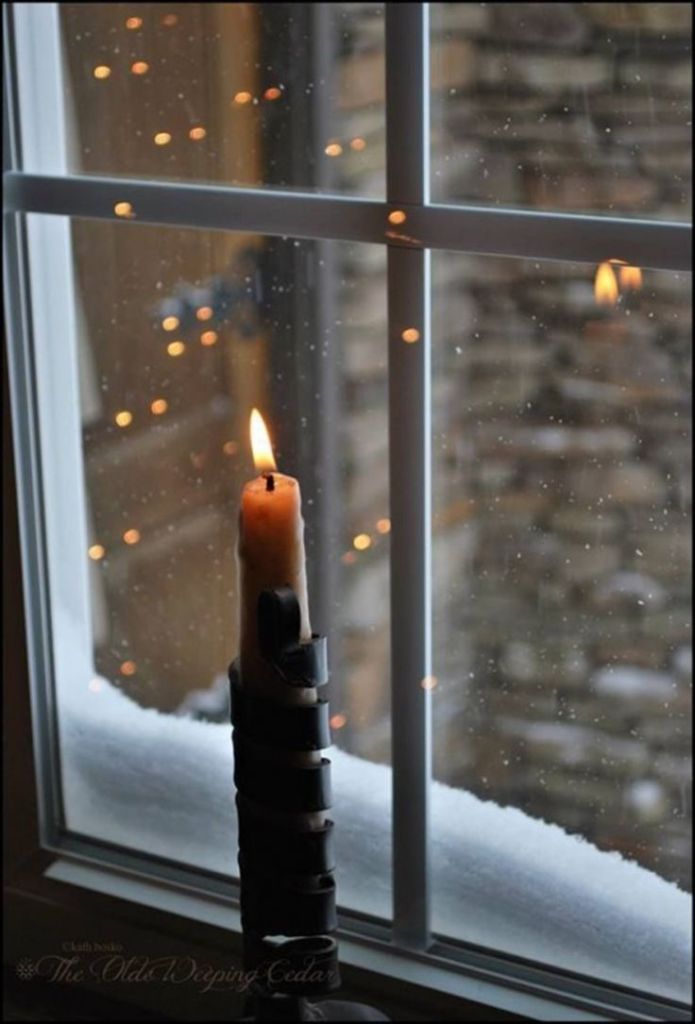
Light a candle. Open a notebook. Sit without expectation.
Let the story know it’s welcome—even if it stays silent.

2. Ask Softer Questions

Not “What happens next?”
But:

  • Who are you becoming?
  • What do you want me to understand?
  • What are you afraid of?

3. Write Sideways

Lists. Fragments. Letters. Mood notes.
December stories often arrive in pieces before they arrive whole.

4. Rest Without Guilt

Rest is not the opposite of creation.
In winter, rest is the method.


The Promise of the Threshold

January will ask you to move.
December asks you to listen.

If you honor this pause, your stories will step forward later with more clarity, depth, and truth. Not because you forced them—but because you gave them time to form.

Some stories need the dark to grow their bones.

So if you feel caught between exhaustion and inspiration right now, trust this:

You are not behind.
You are standing at the door.

And something is waiting on the other side. ✨

Happy Writing ^_^

2025 Months, November 2025

🔥 Elemental Writing Prompts: Fire, Water, Air, Earth, Spirit

Every story is born from an element. Some burn bright with passion, others flow like rivers of emotion. Some drift through airy thoughts and dreams, while others are rooted deep in the soil of memory and truth. And then there are those guided by Spirit — unseen forces that move us beyond reason, whispering magic into every word.

Let’s explore each of the five elements through creative writing prompts that awaken your imagination and invite your muse to play.


🔥 Fire — Passion, Transformation, and Rebirth

Fire is the spark that ignites creation. It’s raw emotion, destruction, renewal — the will to change. Writing with fire means exploring desire, rebellion, and the courage to burn away what no longer serves.

Fire Prompts:

  1. A phoenix rises not from ashes, but from regret. What did it burn away to be reborn?
  2. Two souls bound by flame can never touch — or the world will burn. Write their story.
  3. A kingdom uses fire as a test of truth. Only those who survive the trial may rule.
  4. The last ember of a dying star falls to earth and chooses its bearer.
  5. Anger becomes magic when spoken aloud — but what happens when someone loses control?

💧 Water — Emotion, Healing, and Flow

Water carries memory, emotion, and intuition. It moves gently or storms violently — a mirror of the soul. Writing through water invites reflection and empathy, helping you dive deep into what lies beneath.

Water Prompts:

  1. A seaside village sacrifices one dream each year to calm the ocean’s heart.
  2. A mermaid loses her voice — not for love, but for vengeance.
  3. Tears of joy summon rain; tears of sorrow summon the flood. Which will your character bring?
  4. The river remembers everything that has ever fallen into it — even souls.
  5. Write a story where healing is possible only through surrendering to emotion.

🌬 Air — Change, Thought, and Freedom

Air is movement — breath, words, imagination. It’s the restless whisper of ideas that drift between worlds. Writing with air means exploring creativity, freedom, and the unseen connections that bind us.

Air Prompts:

  1. A storm carries forgotten voices across the sky. One lands inside your protagonist’s mind.
  2. A scholar learns to control the wind through poetry — each stanza shapes the weather.
  3. A messenger made of air travels between dimensions, delivering secrets of the past.
  4. The wind refuses to obey the gods. What does it want?
  5. A floating city built on clouds begins to crumble when its people forget to dream.

🌿 Earth — Growth, Strength, and Memory

Earth grounds us. It’s stability, cycles, and endurance — the pulse beneath our feet. Writing with earth reminds us of legacy, roots, and the slow, powerful act of becoming.

Earth Prompts:

  1. The forest remembers every footstep — and judges those who take without giving back.
  2. A stone golem dreams of returning to dust.
  3. Each spring, the soil chooses one mortal to bloom anew. This year, it chooses a ghost.
  4. Deep beneath the mountain lies the heart of the world — and it’s beginning to wake.
  5. Write about a garden that grows what you feel, not what you plant.

✨ Spirit — Intuition, Mystery, and Connection

Spirit is the unseen thread weaving all elements together. It’s intuition, magic, soul — the essence that transforms a story from ink to energy. Writing with Spirit means surrendering to wonder and trusting where inspiration leads.

Spirit Prompts:

  1. Two souls share one heartbeat across lifetimes — and it’s starting to fade.
  2. A dying deity whispers its power into a writer’s pen.
  3. Every dream is a doorway. One night, the dreamer forgets to return.
  4. A forgotten god awakens in the body of a modern artist.
  5. Spirit itself speaks — through you. What message does it leave behind?

🌙 Bringing the Elements Together

Each element can stand alone or combine to create balance. Try weaving multiple elements into a single story — a Fire-born hero seeking redemption in the Waters of memory, or an Air spirit trapped within Earth’s roots. Let their oppositions shape conflict, and their harmony shape resolution.

When you write with the elements, you’re not just creating worlds — you’re invoking energy. You’re writing with the same forces that shape life itself.


✨ Try This Challenge:
Pick one prompt from each element this week. Write five short pieces — one for each — and notice how your voice changes with each energy. Fire may push you into bold language; Water may soften your tone; Earth may anchor your pace; Air may lift your ideas; Spirit may reveal something unexpected.

Happy Writing ^_^

2025 Months, October 2025

🌙 Storytelling as Healing: Writing Through Seasonal Depression

When the days grow shorter and the air carries that quiet chill, creativity can start to feel distant — like something locked behind fogged glass. For many writers, autumn’s descent into winter brings not only longer nights but also a heavy stillness that settles in the mind and heart. This weight, often tied to seasonal depression (SAD), can dim even the brightest creative spark.

But here’s the truth few people talk about: writing itself can be a form of light — a small flame that guides us through those darker months.


🖋️ Why Stories Help Us Heal

Storytelling is an ancient act of survival. Before medicine, before therapy, humans gathered around fires to make sense of the world through words. Stories helped us name pain, transform it, and see ourselves as part of something larger.

Writing offers that same power today. When we put our emotions into stories — whether through poetry, journals, or fantasy worlds — we give shape to what feels shapeless. A character’s grief becomes our own grief made visible. A scene of courage becomes our own reflection of hope.

Even if you never share the story, writing helps you process emotions that are otherwise too heavy to hold.


🌧️ Writing When Motivation Is Low

Seasonal depression often makes us tired, foggy, and disconnected. Creative flow doesn’t feel natural when your energy dips with the sun. That’s okay. Healing writing isn’t about productivity; it’s about presence.

Try these gentle approaches:

  • The Five-Minute Rule: Write for five minutes — no pressure, no plan. Stop if you need to, or keep going if the words begin to flow.
  • Character Journaling: Let a character feel what you can’t say aloud. Give them your emotions, and watch how they respond.
  • Mood Tracking Pages: Use your journal to record your energy and emotions. Over time, you’ll see patterns and small victories.
  • Tiny Prompts for Gray Days:
    • “The first light that reached me today…”
    • “If my sadness could speak, it would say…”
    • “A version of me that still believes in spring…”

Sometimes, one sentence is enough to remind you you’re still creating — still moving.


🕯️ Finding Hope in the Act of Creation

Writing doesn’t cure seasonal depression, but it offers connection — to yourself, to others, and to your inner light. Each word written becomes a quiet act of defiance against numbness. Every paragraph is a promise: I’m still here.

If you struggle to write long pieces during the winter months, shift your expectations. Your creativity is cyclical, just like nature. Let yourself rest and reflect. You’re not falling behind — you’re gathering stories in silence.


💌 A Gentle Reminder for Writers

You don’t have to write beautifully to heal. You don’t have to be inspired every day. The simple act of sitting down, even for a few lines, is enough.

Let your writing this season be your warmth — a candle against the cold. Because no matter how long the winter lasts, your words will always find a way back to the light.

Your story still matters. And so do you.

Happy Writing ^_^

2025 Months, October 2025

Writing Through Pain: Staying Creative When the Cold Sets In

As the days grow shorter and the chill creeps deeper into our bones, many writers find their creativity faltering. For some, it’s simply the pull of cozy blankets and warm tea. But for others — especially those living with chronic pain, inflammation, or conditions like arthritis and fibromyalgia — winter can feel like an uphill climb. The cold settles into joints and muscles, fatigue deepens, and tasks that once felt effortless suddenly demand more energy than we have to give.

Yet creativity doesn’t have to fade with the temperature. In fact, writing through the pain can become one of the most powerful ways to stay grounded, resilient, and connected to yourself. It’s not about pushing harder — it’s about adapting gently and finding new rhythms that honor both your body and your creative soul.


🌙 1. Acknowledge the Season You’re In — Literally and Metaphorically

Your creative practice, like nature, has seasons. Winter is a time of stillness, reflection, and slow growth beneath the surface. If your energy dips or your writing pace slows, it’s not failure — it’s nature’s rhythm calling you inward.
Instead of forcing productivity, consider shifting your focus:

  • Write shorter pieces — journal entries, micro fiction, or poetry.
  • Focus on brainstorming and worldbuilding instead of drafting.
  • Revisit old works and annotate them as a reader rather than an editor.

Honoring this quieter creative season allows your art to evolve without draining your limited energy.


🪶 2. Build Rituals That Soothe the Body and Invite the Muse

When pain flares or cold tightens muscles, writing can feel impossible — unless you make it part of a comforting ritual. Before you write, focus on creating ease in your body:

  • Warmth first. Use a heating pad on sore joints, sip ginger tea, or wrap yourself in a soft blanket before you begin.
  • Set a gentle space. Light a candle, dim harsh lights, and create a sensory environment that feels safe and nurturing.
  • Move slowly. Gentle stretches or slow breathing before writing can loosen stiffness and help your thoughts flow more freely.

Rituals signal your body and mind that it’s time to shift into creative mode — even on days when pain is loud.


✏️ 3. Redefine Productivity on Your Terms

Some days, a paragraph is a victory. Other days, simply opening your document counts as showing up. The key to writing through pain is releasing the belief that creativity only “counts” if it’s fast or prolific.

Ask yourself:

  • What does creative effort look like for me today?
  • What’s one small step that honors my body’s limits and my writer’s heart?

That might mean recording voice notes instead of typing, outlining scenes in bed, or writing one sentence at a time between rest breaks. These micro-moments build momentum without overwhelming your body.


🔥 4. Let the Pain Speak — and Transform It Into Story

Pain changes how we see the world — and that shift can be powerful fuel for creativity. Instead of writing despite your discomfort, experiment with writing through it.
Ask yourself:

  • What does this ache remind me of emotionally?
  • If my pain were a character, what would it want to say?
  • How might my experiences shape the struggles of a character I love?

Turning physical or emotional pain into story not only deepens your writing — it also offers a way to process and reclaim what feels heavy.


🌱 5. Practice Radical Self-Compassion

The most important part of writing through pain is remembering that you are more than your word count. You are not “falling behind.” You are not failing. You are adapting, surviving, and still reaching for your creative spark in the midst of something most people will never understand.

Celebrate every word, no matter how small. Rest without guilt. And remind yourself that creativity isn’t a race — it’s a relationship. Even when it slows, it’s still there, waiting for you.


✨ A Gentle Reflection Prompt

“What does winter teach me about the way I create? How might I write with my body’s rhythms instead of fighting against them?”

Spend 10 minutes freewriting your response. Notice what truths emerge — about your pain, your creativity, and the resilience that lives within you.


Final Thoughts

Writing through pain in the colder months isn’t about ignoring your body’s signals — it’s about listening more deeply. It’s about creating in ways that feel sustainable and kind, weaving words even when the world feels frozen. And sometimes, those words — born from stillness, struggle, and strength — are the most powerful ones you’ll ever write.

Happy Writing ^_^

May 2025, Writing Ideas, writing-tips

How to Create a Character with a Wound That Drives Them

When you think about your favorite characters—whether they’re brooding vampire princes, reluctant heroes, or fierce magical rebels—chances are they have one thing in common: an emotional wound that shapes their choices. Wounds are more than just tragic backstory fodder—they are the heartbeat of motivation, fear, and desire.

In this post, we’ll explore how to create a character with a wound that not only makes them believable, but actively drives the story forward.


What Is a Character Wound?

A wound is a deep emotional hurt from your character’s past that still affects them. It’s not just a sad event—it’s something that shaped how they see themselves, the world, and others.

Think of it as the reason your character builds walls, takes risks, fears intimacy, or avoids love.

Examples:

  • Abandonment: A child left behind by a parent may grow up fearing closeness or needing constant validation.
  • Betrayal: A warrior betrayed by a lover may become guarded or cynical.
  • Failure: A former leader who once made a terrible mistake might obsess over control or redemption.

Step 1: Choose the Wound

Ask: What happened in their past that hurt so badly, they changed because of it?

You can brainstorm with these prompts:

  • What did they lose?
  • Who let them down?
  • When did they feel powerless?
  • What event made them question their worth?

Tip: Don’t just think of something sad—think of something that left a scar and a belief behind.


Step 2: Decide What They Believe Now (The Lie)

After the wound, your character forms a false belief (often called “The Lie They Believe”). This lie shapes their actions.

Examples:

  • “I’m only lovable if I’m useful.”
  • “People always leave.”
  • “Power is the only way to protect myself.”

This lie becomes the emotional obstacle they must overcome.


Step 3: Show How the Wound Affects Their Behavior

Your character’s wound should echo through:

  • How they talk (guarded, sarcastic, charming)
  • How they act (defensive, perfectionist, reckless)
  • What they avoid (relationships, leadership, vulnerability)
  • What they crave (control, approval, freedom)

Let the wound drive their biggest decisions and interfere with their goals. That’s how it creates tension and growth.


Step 4: Tie the Wound to the Character’s Arc

To make your story powerful, build an arc where the wound is eventually confronted.

Ask:

  • What triggers the old wound in your story?
  • What do they lose if they keep believing the lie?
  • Who or what helps them challenge it?
  • What truth do they need to realize to heal?

By the end, the wound may not fully disappear, but your character will grow around it. That’s what makes them memorable.


Quick Character Wound Worksheet

Here’s a mini worksheet you can try:

  1. Wound Event: (What happened?)
  2. False Belief Formed: (What lie do they now believe?)
  3. How It Affects Them: (List 3 behaviors)
  4. What They Fear Most:
  5. What They Need to Learn to Heal:

Want a printable version? I’ve got a Canva template you can grab in the shop or as part of my Character Backstory Bootcamp!


Final Thoughts

Characters with emotional wounds feel real. They’re messy, complex, and full of contradictions—just like us. When you give your character a wound that drives them, you give your story heart, tension, and purpose.

Let your characters break a little… so they have something to fight for.


💬 Over to You:
What wounds have shaped your characters? Drop a comment or share your favorite emotional arcs!

Happy Writing ^_^

May 2025, writing-tips

How Grief & Growth Intertwine in Storytelling

Using Hard Emotions in Healing Narratives

Grief is one of the deepest, most complex emotions we experience as human beings. In storytelling, it holds the power to break characters open—and to build them anew. When we explore grief in our writing, we don’t just create emotional depth; we invite readers into a space of reflection, healing, and transformation.

As writers, we often carry pieces of our own pain into our stories. Loss, heartbreak, trauma—these aren’t just plot points. They are emotional truths. And when we let our characters feel them fully, something magical happens: growth begins to emerge from the wreckage.

Writing Through the Pain

Grief can show up in many forms. Maybe your character loses a loved one, a relationship, a sense of identity, or even their belief in the world. The loss becomes a turning point. But rather than rushing through it, allow the grief to breathe. Let it shake your character’s foundation.

When you write these raw moments with honesty, you’re doing more than creating drama—you’re building a healing narrative. Readers who see their own pain reflected on the page may feel less alone. And as the writer, you may find comfort in shaping something meaningful from your own experiences.

Where Grief Meets Growth

Grief isn’t the end of a story. It’s the beginning of something new. Growth doesn’t erase the pain, but it transforms it. A character who has suffered deeply might become more compassionate, more resilient, or more willing to fight for what matters. That transformation is the heart of the healing arc.

Here are a few ways to show how grief and growth intertwine:

  • Let the pain evolve. Grief changes shape. It might start as numbness, grow into anger, and shift into longing or acceptance. Show that emotional journey.
  • Use meaningful symbols. A blooming flower in winter, a rebuilt home, or a forgotten letter can all represent inner transformation.
  • Focus on quiet growth. Healing doesn’t always roar. Sometimes, it’s in the quiet moments—a character choosing to get out of bed, speak the truth, or show up for someone else.
  • Allow imperfect healing. Growth doesn’t mean everything is fixed. It means the character is finding ways to live with their loss—and still move forward.

Healing Narratives Matter

When you write stories that blend grief and growth, you’re creating something powerful. You’re showing that healing is messy, non-linear, and incredibly human. And in doing so, you give your readers—and yourself—permission to feel, to process, and to hope.

These are the stories that stay with us. The ones that remind us we can break and still become whole again. That beauty can rise from sorrow. That grief and growth are not opposites—they are partners in the journey of becoming.


Creative Prompt for Writers:
Write a scene where your character experiences a major loss. Show the first small step they take toward healing—whether it’s speaking to someone, returning to a meaningful place, or making a quiet choice for themselves.

Happy Writing ^_^