2026, January 2026

The Wolf Moon: A Gentle Full Moon Reflection for the New Year

January 3 Full Moon

The first full moon of the year arrives quietly, wrapped in winter stillness. Known as the Wolf Moon, this January full moon rises when the world feels hushed, the nights are long, and survival once depended on listening closely—to the land, to each other, and to instinct.

As we step into the new year, the Wolf Moon doesn’t ask us to rush forward with bold declarations or rigid resolutions. Instead, it invites something softer and deeper: honesty, endurance, and self-trust.

Why It’s Called the Wolf Moon

Traditionally, January’s full moon was named for the wolves heard howling during the coldest part of winter. Food was scarce. The nights were long. Communities relied on awareness, cooperation, and resilience.

Symbolically, the Wolf Moon carries themes of:

  • Survival and inner strength
  • Listening to intuition
  • Honoring solitude without isolation
  • Reclaiming your voice

This moon reminds us that endurance doesn’t have to be loud. Sometimes strength is simply staying present.

A Full Moon for the Quiet Reset

The start of a new year often comes with pressure: new goals, new habits, new versions of ourselves. But the Wolf Moon encourages a different approach.

Instead of asking:

Who do I want to become this year?

Try asking:

What do I need in order to feel safe, supported, and whole?

This is a moon for checking in—not pushing ahead.

Wolf Moon Reflection Prompts (For Writers & Creatives)

If you’re feeling called to reflect or write under this full moon, here are a few gentle prompts:

  • What part of me has been quietly surviving, even when things felt heavy?
  • Where have I been silencing my instincts or intuition?
  • What does “belonging” mean to me right now—internally or externally?
  • What can I release that was rooted in survival mode, not truth?
  • How can I move through this year at my own pace?

You don’t need long answers. Even a few honest lines are enough.

A Simple Wolf Moon Ritual (Optional & Gentle)

You don’t need anything elaborate—this moon works best with simplicity.

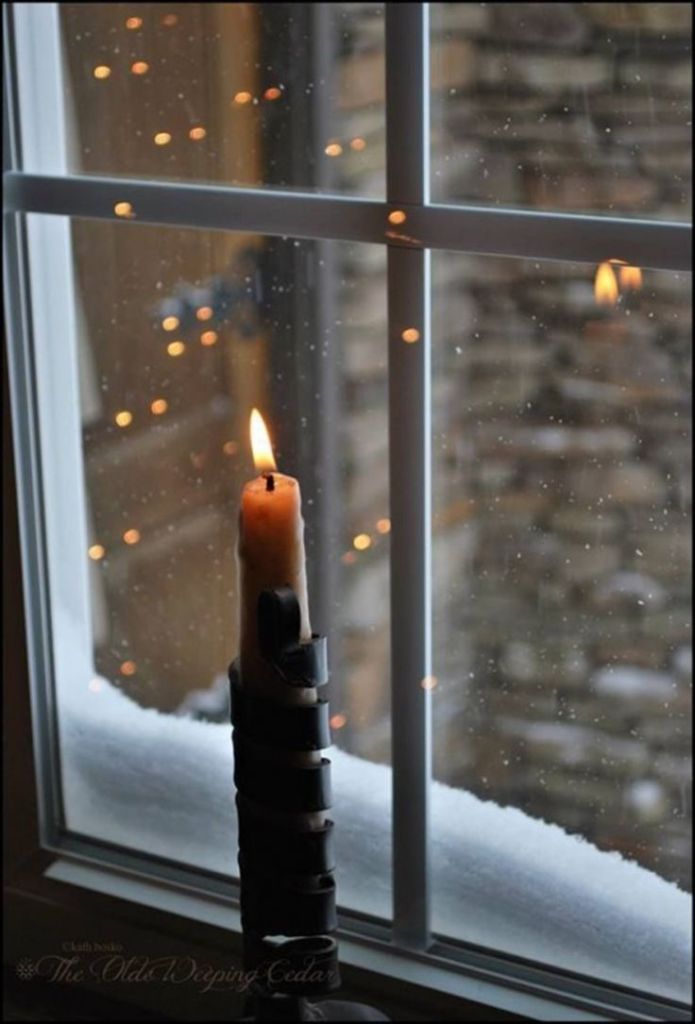
  1. Light a candle or sit near a window where you can see the moonlight.
  2. Take three slow breaths, grounding yourself in your body.
  3. Place a hand over your heart and name one thing you’ve endured this past year.
  4. Release one expectation that no longer fits who you are becoming.
  5. Close with gratitude—for your resilience, even if it feels quiet or imperfect.

For Writers Entering the New Year

If writing has felt hard lately, the Wolf Moon understands. Creativity, like winter, has seasons of rest.

You don’t have to:

  • Write every day
  • Be inspired constantly
  • Know where your story is going

You can:

  • Write small pieces
  • Revisit old ideas
  • Let stories rest until they’re ready

The Wolf Moon honors slow, steady persistence—the kind that lasts.

Closing Thoughts

As the Wolf Moon rises on January 3, let it remind you that you’ve already survived so much. You don’t need to prove anything to the new year.

Listen inward. Move gently. Trust the quiet strength that carried you here.

The path forward doesn’t need to be loud to be true.

🌕🐺

Happy Writing ^_^
2026, January 2026

The Full Moon Guiding the New Year

I saw a full moon tonight.

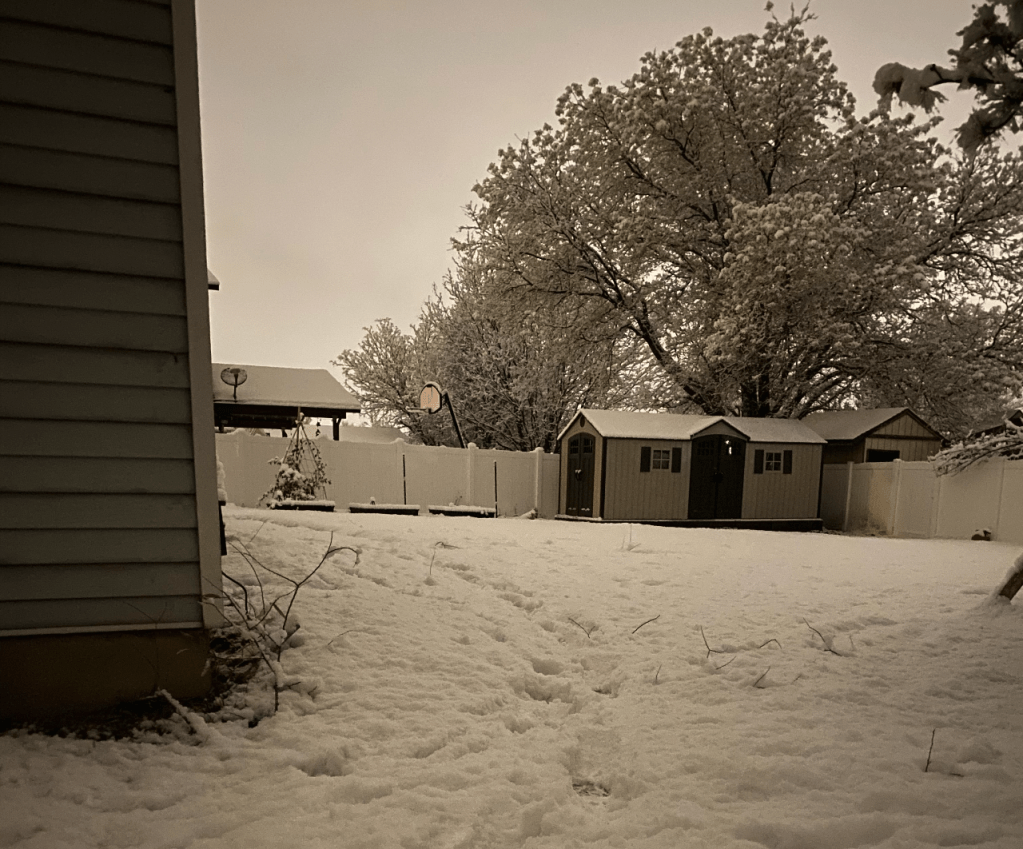
The Wolf Moon isn’t officially until January 3—but standing under its light, that distinction didn’t matter. The moon was full enough to feel like an ending and a beginning all at once. And it gave me this idea.

Not every moment of clarity waits for perfect timing. Sometimes inspiration arrives early, glowing just ahead of the calendar, asking us to listen anyway.

This year begins not with fireworks or resolutions, but with moonlight—quiet, steady, and honest.

🌕 The Full Moon Isn’t a Reset—It’s a Reckoning

A full moon doesn’t rush us forward. It illuminates what’s already here.

It shows us:

  • What we carried through the year
  • What drained us without us noticing
  • What we survived quietly
  • What no longer fits the person we’re becoming

If you’re a writer, this light might fall across unfinished drafts, abandoned ideas, or stories paused by exhaustion, illness, or life simply being heavy. Not as judgment—but as recognition.

The full moon doesn’t demand completion.

It offers clarity.

✍️ Let the Moon Guide How You Write This Year

Rather than forcing resolutions, this moon invites a different kind of guidance—one rooted in awareness and care.

Ask yourself:

  • What kind of writing sustains me?
  • What pace allows me to keep showing up?
  • Which stories feel alive when I stop forcing them?

This year doesn’t need urgency.

It needs honesty.

🌙 A Gentle Full Moon Practice for the New Year

You don’t need a perfect ritual—just a moment of presence.

  1. Sit somewhere quiet, near a window if you can.
  2. Write for five to ten minutes without stopping.
  3. Begin with this line:
    “This year, I want to be guided by…”
  4. When you’re done, don’t edit. Let the words rest.

🕯️ Writing Prompts Under the Moon

  • What truth from last year am I finally ready to honor?
  • What am I allowed to release before moving forward?
  • What kind of writer do I want to be this year?
  • What pace keeps my creativity safe?

✨ Carry the Light Forward

The moon doesn’t disappear when the night ends. Its guidance lingers.

You don’t have to reinvent yourself.

You don’t have to rush.

This year doesn’t ask you to be new.

It asks you to be true.

Let the moon guide you gently into what comes next. 🌕💙

Happy Writing ^_^

2025 Months, December 2025

December’s Threshold Energy: When Stories Want to Be Born

December doesn’t rush.
It pauses.

The year inhales and holds its breath—right here, in the narrow space between what has been and what has not yet arrived. This is threshold energy: the liminal moment where endings soften and beginnings whisper instead of shout.

If you’re a writer, you may feel it as a strange tension—quiet on the surface, electric underneath. Words feel close but not fully formed. Scenes flicker. Characters knock but don’t yet enter. You might feel tired and inspired at the same time.

That’s not a block.
That’s a doorway.


What Threshold Energy Really Is

In folklore and myth, thresholds are powerful places:
doorways, crossroads, twilight, solstices. They are moments where rules blur and transformation becomes possible.

December carries that same magic.

  • The old year loosens its grip
  • The new year hasn’t demanded anything yet
  • Time feels softer, slower, less linear

Creatively, this is when stories begin gestating, not drafting.

This is not the season of output.
This is the season of becoming.


Why Stories Choose December

Stories don’t always want speed.
Sometimes they want shelter.

December offers:

  • Darkness that invites inward listening
  • Quiet that allows subconscious ideas to surface
  • Permission to rest without abandoning creativity

Many writers feel guilt this time of year for not “doing enough.” But historically, winter was when people told stories, dreamed futures, and listened for omens.

Your imagination remembers this—even if your calendar doesn’t.


Signs a Story Is Being Born (Not Written—Yet)

You might be in threshold energy if:

  • You keep thinking about a character without knowing their plot
  • A single image or emotion keeps returning
  • You feel protective of an idea but not ready to explain it
  • Writing feels heavy, but thinking feels rich
  • You crave journaling, note-taking, or quiet walks instead of drafting

This is incubation, not avoidance.

And it matters.


How to Work With December’s Energy (Gently)

Instead of forcing productivity, try tending.

1. Create Containers, Not Goals

Light a candle. Open a notebook. Sit without expectation.
Let the story know it’s welcome—even if it stays silent.

2. Ask Softer Questions

Not “What happens next?”
But:

  • Who are you becoming?
  • What do you want me to understand?
  • What are you afraid of?

3. Write Sideways

Lists. Fragments. Letters. Mood notes.
December stories often arrive in pieces before they arrive whole.

4. Rest Without Guilt

Rest is not the opposite of creation.
In winter, rest is the method.


The Promise of the Threshold

January will ask you to move.
December asks you to listen.

If you honor this pause, your stories will step forward later with more clarity, depth, and truth. Not because you forced them—but because you gave them time to form.

Some stories need the dark to grow their bones.

So if you feel caught between exhaustion and inspiration right now, trust this:

You are not behind.
You are standing at the door.

And something is waiting on the other side. ✨

Happy Writing ^_^

2025 Months, December 2025

❄️ Designing Winter Deities, Guardians & Elemental Spirits

How to Create Mythic Forces for Your Fantasy Worlds

Winter is one of the richest seasons for worldbuilding. The cold breath of the season, the darkened skies, the tension between survival and hope — all of it invites storytellers to imagine beings born from frost, silence, starlight, or slumbering power beneath the snow.

Winter deities and spirits often embody extremes: preservation and decay, endings and rebirth, solitude and fierce protection. Designing them can help you shape your world’s mythology, emotional tone, and even the character arcs at the heart of your story.

This guide will help you create winter gods, guardians, and elemental spirits that feel ancient, resonant, and unforgettable.


🌙 Step 1 — Define What Winter Means in Your World

Winter symbolizes different things depending on the culture, climate, and magical history of your setting.

Ask yourself:

  • Is winter a feared season or a sacred one?
  • Does winter represent endings… or the quiet before something awakens?
  • Does your world see winter as punishment, balance, or blessing?

This meaning becomes the root of the deity or spirit’s domain.

Examples:

  • A goddess of the longest night, whose arrival brings prophetic dreams.
  • A spirit of dormant seeds, guarding life hidden beneath frozen earth.
  • A deity of hoarfrost and memory loss, who erases heartbreak during winter.

❄️ Step 2 — Choose Their Core Elemental Forces

Winter deities often draw from specific elemental sources:

Ice & Frost

  • Preservation, memory, clarity
  • Fragile beauty hiding deadly precision
  • Stasis, suspended time, frozen moments

Snow

  • Softness, cleansing, stillness
  • Covering truths, burying history
  • A silent messenger of change

Wind & Storms

  • Harsh truths
  • Purification by force
  • Shifting fates and unpredictable arrivals

Darkness & Night

  • Secrets and visions
  • Ancestral communication
  • Protection through concealment

Stars & Winter Moons

  • Guiding travelers
  • Magical thresholds
  • Rebirth under celestial light

Let your deity embody one (or a mixture) of these forces in a way that hints at both their blessings and their wrath.


🧊 Step 3 — Define Their Role in the World

What purpose does this winter deity or spirit serve?

Possible Roles

  • Guardian of the Solstice Gate, keeping balance between seasons
  • Watcher of Lost Travelers, who guides or claims those who stray
  • Keeper of Forgotten Names, preserving lineage and history
  • Harbinger of Renewal, melting frost when change is ready
  • Spirit of Winter Hunts, testing courage and heart

The clearer the role, the easier it is to weave them into plot, folklore, and character arcs.


🌬️ Step 4 — Determine Their Personality & Vibe

Winter beings don’t need to be cold — but they are rarely simple.

Try shaping them with a dual nature:

  • Beautiful yet terrifying
  • Compassionate yet detached
  • Silent but deeply observant
  • Ancient yet curious about mortals
  • Gentle protector until betrayed

Think about how their personality reflects the season:

  • Do they speak in riddles like swirling snow?
  • Are they calm and solemn as a frozen lake?
  • Do they flare into storms when angered?

Give them a mood your readers feel as soon as they appear on the page.


🌨️ Step 5 — Create Their Mythic Symbolism

Symbolism deepens your reader’s emotional connection.

Symbols for Winter Deities

  • Frosted crowns
  • Pale fire or cold flames
  • Snowdrop flowers
  • A lantern of starlight
  • Antlers made of ice
  • A cloak of snowfall
  • Crystalline wings
  • A staff carved from frozen rivers

These symbols can appear in temples, rituals, magical marks, character dreams, or seasonal festivals.


❄️ Step 6 — How Mortals Interact With Them

This is where worldbuilding becomes story.

Ask:

  • Do mortals fear or worship them?
  • Does invoking them bring comfort or risk?
  • What offerings do people make during winter?
  • Are there sacred nights when the deity walks among them?

Common Winter Rituals

  • Leaving lanterns in windows to call a Winter Guardian
  • Whispering a lost wish into fresh snow
  • Burning written fears to invite rebirth
  • Offering milk, honey, or warmth in exchange for protection

Even small rituals can become powerful story moments.


🔥 Step 7 — Add Their Blessings & Curses

Every deity has a price.

Blessings

  • The ability to endure harsh times
  • Visions during winter moons
  • Healing sleep or hibernation magic
  • Reawakening dormant talents

Curses

  • Endless winter until justice is served
  • Frostbite that carries a message
  • Dreams that reveal uncomfortable truths
  • A heart slowly turning to ice

Blessings and curses are perfect tools for plot, character transformation, or romantic tension.


❄️ Winter Deity & Spirit Prompts (Free to Add to Your Shop Too!)

Use these to spark characters, myths, or entire novels.

1. The Frostmother

A deity who protects children during the longest night. Her tears turn to ice that can heal—or freeze time itself.

2. The Pale Hunter

A guardian spirit who appears only to those lost in snowstorms. If he guides you, you live. If he ignores you, you were already fated to die.

3. The Starlit Weaver

She shapes destinies during the winter moons. When a thread glows silver, a hero awakens.

4. The Sleeper Beneath the Ice

An ancient being whose dreams cause blizzards. Someone just woke him.

5. The Ember in the Snow

A small winter fire spirit who steals warmth from the cruel and gives it to the suffering.

6. The Thorned Winter King

A once-gentle god twisted by betrayal. His crown blooms with ice thorns that drain magic.

7. The Snowbound Maiden

A ghostly guardian who appears at the first snowfall to warn lovers of a coming heartbreak—or a destined reunion.


🌙 Final Thoughts

Creating winter deities and elemental spirits isn’t just about designing mythic beings — it’s about shaping how your world understands darkness, silence, endurance, and rebirth. Winter is a season of contradictions, and your deities should reflect that tension.

Let them be both terrifying and tender.
Let them hold secrets only the snow remembers.
Let their arrival change everything.

Happy Writing ^_^

2025 Months, December 2025

December Journaling Prompts for Creativity & Reflection

Embrace the Winter Moon, Slow Down, and Spark New Inspiration

December carries a special kind of quiet magic — a mix of endings and beginnings, darkness and soft returning light. It’s a month of reflection, gentle creativity, and reconnecting with yourself after a long year. Whether you’re a writer, a journal lover, or someone simply craving creative renewal, this final stretch of the year offers a powerful invitation to pause, breathe, and rediscover your inner spark.

Below, you’ll find a thoughtfully crafted set of December journaling prompts designed to help you unwind, release stagnant energy, ignite imagination, and walk into the new year with clarity and confidence.

Let your pen move like falling snow: slow, soft, and full of meaning.


❄️ Why December Is the Perfect Month for Journaling

Winter slows the world down — and in that stillness, creativity thrives.

December journaling helps you:

  • Reflect on the year’s lessons without judgment
  • Reconnect with your inner voice
  • Heal emotional or creative burnout
  • Ground your intentions before the new year
  • Tap into the symbolic energy of the Cold Moon and winter’s inward focus
  • Create space for new ideas, stories, magic, and self-understanding

This is a month of gentle release and quiet inspiration — the perfect container for intuitive journaling.


30 December Journaling Prompts for Creativity & Reflection

WEEK 1 — Slowing Down & Returning to Yourself

  1. What does “slowing down” look like for you this December?
  2. What part of you feels tired and wants to rest?
  3. What part of you is ready to grow?
  4. What habits or thoughts do you want to leave behind in winter?
  5. Describe the energy you want to embody this month.
  6. What creative practices help you feel the most like yourself?
  7. What is the story your body is trying to tell you right now?

WEEK 2 — Creativity, Imagination & Winter Magic

  1. Describe a winter scene that symbolizes your current creative state.
  2. What ideas have been whispering to you lately?
  3. How can you bring more play into your creative life?
  4. What is one project you secretly want to begin?
  5. What stories, characters, or images feel “alive” for you this month?
  6. If your creativity were a winter spirit, what would it look like?
  7. What creative boundaries do you want to break in the new year?

WEEK 3 — Emotional Reflection & Personal Growth

  1. What emotion has been following you this year — and what is it teaching you?
  2. What have you healed that you haven’t acknowledged yet?
  3. What is one moment from this year that changed you?
  4. What are you still holding onto that your future self is ready to release?
  5. What surprised you about yourself in 2025?
  6. Write a letter to the version of you who began this year.
  7. Write a letter from your future self — who has already healed and grown.

WEEK 4 — Vision, Hope & Preparing for a New Year

  1. What do you hope the new year brings you emotionally, creatively, and spiritually?
  2. What is one thing you want to create — not for success, but for joy?
  3. What energy or word will guide your next chapter?
  4. What do you want to prioritize more deeply in 2026?
  5. What does a peaceful, aligned life look like for you?
  6. What creative or personal fears do you want to outgrow?
  7. What support do you need to bring your dreams to life?
  8. What is one small ritual you can begin this winter to nurture your spirit?
  9. Write your December closing reflection: What softened you, strengthened you, inspired you, or surprised you?

🌙 Optional Ritual to Pair with Your Journaling

Try this simple winter journaling ritual to deepen the experience:

  • Brew a warm drink that comforts your stomach
  • Wrap yourself in a blanket or soft scarf
  • Sit near a window or soft light
  • Place your hand on your heart and breathe in for four counts
  • Begin writing without editing or judging

Let the process be soft, intuitive, and nourishing.

Happy Writing ^_^

2025 Months, December 2025

🌙 Connecting With Your Creative Spirit During Winter Moons

Winter has a way of slowing the world down. The days grow quieter, the nights stretch longer, and everything around us seems to soften into stillness. For writers and dreamers, this seasonal hush becomes something sacred—a doorway into deeper imagination.

The Winter Moons (the Cold Moon of December, the Wolf Moon of January, and the Snow Moon of February) carry a unique kind of magic. They’re not the fiery inspiration of summer or the fertile bloom of spring. Winter creativity is older, quieter, and far more intimate. It asks you to listen inward, to breathe differently, to let your spirit settle and speak.

This is the season to reconnect with the creative spark at your core.


🌑 Why Winter Moons Call Us Inward

Each winter moon brings a distinct energy:

December — Cold Moon

A time of clarity. The Cold Moon invites us to see truth, cut through noise, and rediscover what truly matters in our stories.

January — Wolf Moon

A time of instinct. The Wolf Moon awakens desire, hunger, and the voice you’ve been holding back.

February — Snow Moon

A time of renewal. The Snow Moon teaches us to rest so inspiration can return renewed and stronger.

Together, these moons form a cycle of shedding, listening, and rebuilding—mirroring the creative process itself.


✨ How Winter Supports Creative Connection

Instead of pushing harder (a habit many writers fall into at year’s end), winter encourages a softer approach:

  • Stillness increases intuition. When the world is quieter, the mind becomes clearer.
  • Darkness invites imagination. Longer nights activate our inner storyteller.
  • Rest nourishes creativity. Your best ideas grow in moments of gentleness.
  • Reflection strengthens voice. Winter is ideal for reviewing the year’s writing lessons and setting soulful goals for the next.

You don’t have to be productive in winter. You simply need to be present.


🕯️ Practices to Reconnect With Your Creative Spirit

Here are gentle, moon-aligned rituals to awaken inspiration:

1. Moonlit Freewriting

Sit with a single question beneath the glow (or symbolic glow) of the moon:
“What does my creative spirit want me to know right now?”
Write without pressure. Let your mind move like snowfall—soft, drifting, unexpected.

2. Winter Breath Ritual

Place your hands over your chest. Inhale slowly for four counts, imagining moonlight filling your lungs.
Exhale for six counts, releasing tension, fear, or creative block.
Repeat until your mind quiets.

Winter breath brings creativity back into your body, not just your thoughts.

3. The “Embers” Prompt

Write about a character tending a small flame—literal or symbolic.
What does the flame represent?
What happens if it grows… or if it dies?

This mirrors your own creative ember—glowing quietly, waiting for attention.

4. Rewrite a Scene in “Winter Tone”

Choose a scene from your WIP.
Rewrite it as if winter itself were shaping the mood:

  • colder dialogue
  • sharper silence
  • softer emotions under the surface
  • deeper longing

This technique often reveals hidden truth in character emotions.


🌙 Journaling Prompts for Each Winter Moon

Use these prompts individually or as a monthly ritual.

Cold Moon (December)

  • What truths about my writing path am I finally ready to see?
  • What do I want to release before the new year begins?

Wolf Moon (January)

  • What is my creative hunger calling for?
  • Where have I silenced myself—and how can I reclaim that voice?

Snow Moon (February)

  • What parts of my creativity need rest, not discipline?
  • What new story wants to grow from beneath the snow?

🔥 A Gentle Reminder for Writers

Winter isn’t about pushing through.
It’s about coming home to yourself.

Your creative spirit isn’t gone.
It isn’t blocked.
It isn’t behind schedule.

It’s simply waiting for you to slow down enough to hear it.

If you give yourself permission to follow the moon, to honor the season, and to rest where you need rest, you’ll find that your creativity hasn’t been dimmed—only sleeping, gathering strength in the quiet dark.

Let this winter be a return to the heart of your creativity.

Let this be the season you reconnect with the magic inside you.

Happy Writing ^_^

2025 Months, November 2025

How to Reconnect With Your Creativity After Holiday Exhaustion

The holidays can be beautiful—but they can also leave you feeling wrung out, overstimulated, or simply tired to the bone. After days of cooking, socializing, traveling, hosting, or managing family dynamics, many writers find themselves staring at a blank page with absolutely nothing left to give.

If this is you, take a breath.

You’re not broken.

Your muse didn’t abandon you.

Your creative spark is still there—it’s just resting under the weight of holiday exhaustion.

Let’s gently uncover it again.

✨ Why Holidays Drain Creative Energy

Holidays come with invisible emotional labor:

• being “on” around relatives

• navigating old roles or memories

• managing sensory overload

• disrupted routines

• less sleep and less hydration

• and often, heightened emotions

When your system is flooded with stimulation, your brain goes into survival-and-recovery mode—not creative flow.

This isn’t failure.

It’s biology.

So instead of pushing yourself to “get back to writing,” try reconnecting in a kinder, slower way.

✨ Step 1: Let Yourself Decompress

Before trying to create, your nervous system needs to soften again.

Try one or two of these:

  • Sit in silence for 5 minutes
  • Do gentle stretching or deep breathing
  • Take a slow shower or warm bath
  • Drink something warm (tea, broth, cocoa)
  • Go screen-free for a bit

Think of it as clearing the static from your mind.

Your creativity thrives in calm.

✨ Step 2: Return to Creativity Without Pressure

You do not need to jump straight into outlining, drafting, or editing.

Start with soft creative contact:

🖋 Read a favorite scene from your WIP

Just to feel connected again.

🖋 Write one sentence

Not a paragraph.

Not a page.

Just one sentence to reopen the door.

🖋 Revisit your story playlist or mood board

Let the vibe—not the word count—pull you back in.

🖋 Flip through old notes

Sometimes the spark returns simply by remembering what excited you.

✨ Step 3: Let Your Senses Inspire You Again

Creativity reconnects through sensory grounding.

Try:

  • lighting a candle
  • opening a window for fresh air
  • listening to gentle or atmospheric music
  • touching a physical notebook
  • doing a 3-minute sensory journal:
    • What do you see?
    • Hear?
    • Smell?
    • Feel?

Your senses are creative portals.

✨ Step 4: Engage in Low-Effort Creative Play

Not writing—just playing.

Pick one:

✨ 5-Minute Freewrite

Dump thoughts, fatigue, dreams, holiday moments—anything.

✨ Make a tiny list of story seeds

Holiday chaos often contains great ideas:

• a relative who knows too much

• a secret revealed at dinner

• a character escaping a gathering to breathe

• a magical object passed down

• a winter storm trapping people together

✨ Create a micro-scene

Just 50–100 words.

No pressure, no perfection.

✨ Doodle a map or symbol from your world

Sometimes visual creativity leads you back to narrative creativity.

✨ Step 5: Set the Smallest Possible Goal

After exhaustion, lower the bar dramatically.

Examples:

  • “I will write for 3 minutes.”
  • “I will work on one paragraph.”
  • “I will brainstorm one idea.”
  • “I will reread one chapter.”
  • “I will jot down one line of dialogue.”

Small goals build momentum without draining you.

✨ Step 6: Honor Your Energy

Some days, you might feel ready to jump back in.

Other days, you might still need rest.

Both are valid.

Your creative cycle isn’t linear—it’s seasonal.

Think of this moment as winter soil: quiet, slow, storing energy for future growth.

Rest doesn’t take you away from creativity.

Rest feeds it.

✨ Gentle Prompts to Help You Reconnect

If you want a spark, here are low-pressure prompts:

  1. Write about a character who returns home after a chaotic celebration and realizes what they truly need.
  2. A magical winter object appears only to those running on empty—what does it show your character?
  3. Describe the moment your protagonist realizes they’ve been exhausted for far too long.
  4. Write a letter from your creativity to you—what does it say?
  5. Your character lights a candle to reconnect with their power. What happens next?

Use them only if they feel good.

✨ Final Thought

Holiday exhaustion doesn’t steal your creativity—it simply layers over it.

But with gentleness, intention, and patience, your creative spirit will rise back up.

You don’t need force.

You need softness.

Your spark is still here.

And when it returns, it will feel warm, fresh, and alive again.

Happy Writing ^_^

2025 Months, November 2025

Giving Thanks to Your Muses: A Ritual for Creative Renewal

Every creative season has its own rhythm. Some months we sprint through ideas like wildfire. Others, we slow down, wade through fog, or stare at a blank page wondering where our spark wandered off to.

But there is one practice that always brings writers back into harmony with their creative selves: thanking your muses.

Whether you believe your inspiration comes from divine whispers, intuition, ancestral memory, your subconscious, or simply the magic of storytelling—expressing gratitude toward the forces that guide your work is a powerful ritual for renewal. It resets your energy. It opens pathways. And it invites more ideas, more flow, more joy.

Today’s post walks you through how to create your own “muse gratitude ritual,” perfect for the season of reflection and creative grounding.


🌙 What Does It Mean to “Thank Your Muses”?

Your muses can be anything:

  • Your imagination
  • Your inner child
  • Nature, moonlight, storms, forests
  • Characters or worlds whispering to you
  • The part of you that believes stories matter
  • A deity or spirit you associate with creativity
  • Your lived experiences—the hard and the hopeful

To give thanks is simply to acknowledge:
“You’re still here. I see you. I appreciate the creative spark we share.”

This small act helps writers reconnect to meaning rather than pressure. And when meaning is nourished, momentum returns naturally.


Why Gratitude Boosts Creativity

Gratitude:

  • Reduces creative anxiety
  • Strengthens confidence in your voice
  • Reopens blocked pathways
  • Shifts your focus from perfection to connection
  • Invites play, curiosity, and intuitive writing back in

Creativity thrives in a relaxed nervous system. Gratitude is one of the most grounding emotional states, making it a perfect tool for writers who carry stress, chronic illness, self-doubt, or burnout.


🔥 A Muse Gratitude Ritual You Can Try Tonight

This ritual works during any season, any moon phase, any moment you want to reconnect with your creative spirit.

1. Prepare Your Space

Choose a quiet corner—a desk, bed, floor cushion, or window sill.
Add something symbolic if you like:

  • A candle
  • A feather or bookmark
  • A beloved book
  • A moon charm or crystal
  • A cup of tea

Keep it simple and cozy.


2. Breathe & Arrive

Close your eyes for a moment.
Imagine your creative mind settling like snow in a calm winter field.
Let your breath slow.
Let your shoulders drop.

This is you arriving in the present moment—open, receptive, centered.


3. Speak (or Write) Your Gratitude

Choose one or more muses.
Then thank them gently.

Here are examples you can use:

  • “To the version of me who still dreams, thank you for never giving up.”
  • “To the characters waiting for their stories, I hear you, and I’m grateful for your patience.”
  • “To the moonlit moments that inspire me, thank you for your quiet magic.”
  • “To the stories that shaped me, thank you for showing me what’s possible.”
  • “To my imagination, thank you for staying with me even when I feel tired.”

Let it be intimate, honest, and tender.


4. Ask Your Muses What They Need

Creativity is a relationship—ask what it needs from you now.

A question like:

  • “What would help me reconnect with my writing?”
  • “What story is asking for attention?”
  • “What energy should I invite into my creative practice next?”

Listen for the whisper of an idea, an image, a sensation, or even a memory.


5. Offer a Small Creative Gift

You don’t need to write a chapter.
Just create something tiny as an offering:

  • A sentence
  • A new character name
  • A scene idea
  • A poem fragment
  • A mood description
  • A worldbuilding detail

This is symbolic—like placing a candle at the foot of your creativity and saying, Here is my light too.


6. Close the Ritual with Gratitude Again

Thank yourself for showing up.
Thank your imagination for meeting you.
Thank the act of storytelling for choosing you as one of its keepers.

Then blow out your candle, or simply place your hand over your heart.

Your ritual is complete.


🌑 When to Repeat This Ritual

Use it anytime you feel:

  • Disconnected from your writing
  • Emotionally drained
  • Burned out
  • Unsure of your voice
  • Ready for a new project
  • Excited to deepen your creative intuition

Or make it a monthly ritual that aligns with your moon journaling practice—a perfect pairing for your Moon Phases & Emotional Cycles Journal.


🌕 Final Reflection: Creativity Grows Where You Feel Grateful

Your muses aren’t just mystical inspirations.
They are the parts of you that still believe in storytelling’s power.

When you nurture them with gratitude, your creativity becomes softer, stronger, and more open to possibility. Writing stops feeling like a task and becomes a relationship again—one filled with comfort, wonder, and renewal.

You deserve a writing life that feels supported, sacred, and deeply yours.

Happy Writings ^_^

2025 Months, November 2025

🌘 The Waning Moon & the Writer’s Cycle of Release

Letting go to make room for what’s ready to bloom

Every creative life follows a rhythm, but writers feel these rhythms more intimately than most. We live in cycles: drafting and revision, overflow and depletion, clarity and fog, beginnings and endings. The waning moon — the moon shrinking back into darkness — mirrors one of the most important parts of our creative process: release.

This isn’t the glamorous cycle. It’s not the surge of the full moon or the spark of the new. It’s quieter, subtler, and often overlooked. But when you learn to work with the waning moon intentionally, you’ll notice your creative energy becoming steadier, your writing blocks loosening, and a sense of peace returning to your process.

Let’s talk about how.

🌘 What the Waning Moon Symbolizes

As the moon retreats from fullness toward darkness, its energy shifts from expansion to contraction. It asks us to:

  • Let go of what’s no longer helping our creative flow
  • Release old drafts, stuck scenes, or outdated expectations
  • Clear space for new ideas and inspiration
  • Reflect on what’s working and what needs rest
  • Slow down just enough to hear your intuition again

In nature, this is the season of pruning. In writing, it’s the season of editing your emotional attachments.

🌘 Why Writers Need a Cycle of Release

Writers often cling — to characters we love, drafts we’ve labored over, or an ideal version of a story we keep trying to force. But holding on too tightly creates stagnation.

During the waning phase, creative energy naturally pulls inward. Instead of pushing harder, this is when writers thrive by:

  • Releasing perfectionism
  • Setting down a project that hurts instead of helps
  • Clearing clutter in your workspace
  • Letting go of guilt around “not writing enough”
  • Cutting scenes that no longer serve the story
  • Shedding outdated self-stories (“I’m too slow,” “I’m behind,” “I’m not good enough”)

Release isn’t giving up. It’s clearing the path so your true work can move.

🌘 A Waning Moon Writing Ritual

You don’t need candles or a huge setup. Keep it simple and sustainable.

1. Identify what’s weighing you down

Journal or reflect on:

  • What part of your writing feels heavy?
  • What expectations are choking your creativity?
  • Which draft is draining instead of energizing you?

2. Choose one thing to release

Just one.

A fear.

A habit.

A scene.

A belief.

A deadline that doesn’t serve you.

A story you’re no longer aligned with.

Release gently — not through pressure, but through choice.

3. Give yourself permission to let go

Say it aloud or write it:

“I release what no longer serves my writing or my growth.”

4. Create space

Declutter your desk, delete old drafts, or re-organize your plan.

Your brain recognizes spaciousness in your environment.

🌘 Waning Moon Writing Prompts

These are designed to help you loosen your grip and reconnect with creative flow.

  • What am I holding onto in my writing that is ready to be released?
  • Which part of my writing routine feels forced or outdated?
  • What belief about myself as a writer am I ready to set down?
  • What would my creative process look like if I allowed more ease?
  • Which character, scene, or idea is asking to be let go—or reshaped?
  • Where can I simplify in order to move forward?
  • What would I write if I stopped trying to please anyone?

Use one prompt per night during the waning moon for a gentle creative reset.

🌘 Embracing the Quiet Magic of Release

The waning moon reminds us that creativity isn’t a constant upward climb. It’s a cycle. A breath. A tide.

When you allow yourself to release, you:

  • lower creative pressure,
  • soften burnout,
  • make room for deeper ideas,
  • and reconnect with your authentic writer-self.

There is strength in letting go. There is clarity in the dark. And in that quiet space, the next beginning is already forming.

Happy Writing ^_^

2025 Months, November 2025

🔥 Elemental Writing Prompts: Fire, Water, Air, Earth, Spirit

Every story is born from an element. Some burn bright with passion, others flow like rivers of emotion. Some drift through airy thoughts and dreams, while others are rooted deep in the soil of memory and truth. And then there are those guided by Spirit — unseen forces that move us beyond reason, whispering magic into every word.

Let’s explore each of the five elements through creative writing prompts that awaken your imagination and invite your muse to play.


🔥 Fire — Passion, Transformation, and Rebirth

Fire is the spark that ignites creation. It’s raw emotion, destruction, renewal — the will to change. Writing with fire means exploring desire, rebellion, and the courage to burn away what no longer serves.

Fire Prompts:

  1. A phoenix rises not from ashes, but from regret. What did it burn away to be reborn?
  2. Two souls bound by flame can never touch — or the world will burn. Write their story.
  3. A kingdom uses fire as a test of truth. Only those who survive the trial may rule.
  4. The last ember of a dying star falls to earth and chooses its bearer.
  5. Anger becomes magic when spoken aloud — but what happens when someone loses control?

💧 Water — Emotion, Healing, and Flow

Water carries memory, emotion, and intuition. It moves gently or storms violently — a mirror of the soul. Writing through water invites reflection and empathy, helping you dive deep into what lies beneath.

Water Prompts:

  1. A seaside village sacrifices one dream each year to calm the ocean’s heart.
  2. A mermaid loses her voice — not for love, but for vengeance.
  3. Tears of joy summon rain; tears of sorrow summon the flood. Which will your character bring?
  4. The river remembers everything that has ever fallen into it — even souls.
  5. Write a story where healing is possible only through surrendering to emotion.

🌬 Air — Change, Thought, and Freedom

Air is movement — breath, words, imagination. It’s the restless whisper of ideas that drift between worlds. Writing with air means exploring creativity, freedom, and the unseen connections that bind us.

Air Prompts:

  1. A storm carries forgotten voices across the sky. One lands inside your protagonist’s mind.
  2. A scholar learns to control the wind through poetry — each stanza shapes the weather.
  3. A messenger made of air travels between dimensions, delivering secrets of the past.
  4. The wind refuses to obey the gods. What does it want?
  5. A floating city built on clouds begins to crumble when its people forget to dream.

🌿 Earth — Growth, Strength, and Memory

Earth grounds us. It’s stability, cycles, and endurance — the pulse beneath our feet. Writing with earth reminds us of legacy, roots, and the slow, powerful act of becoming.

Earth Prompts:

  1. The forest remembers every footstep — and judges those who take without giving back.
  2. A stone golem dreams of returning to dust.
  3. Each spring, the soil chooses one mortal to bloom anew. This year, it chooses a ghost.
  4. Deep beneath the mountain lies the heart of the world — and it’s beginning to wake.
  5. Write about a garden that grows what you feel, not what you plant.

✨ Spirit — Intuition, Mystery, and Connection

Spirit is the unseen thread weaving all elements together. It’s intuition, magic, soul — the essence that transforms a story from ink to energy. Writing with Spirit means surrendering to wonder and trusting where inspiration leads.

Spirit Prompts:

  1. Two souls share one heartbeat across lifetimes — and it’s starting to fade.
  2. A dying deity whispers its power into a writer’s pen.
  3. Every dream is a doorway. One night, the dreamer forgets to return.
  4. A forgotten god awakens in the body of a modern artist.
  5. Spirit itself speaks — through you. What message does it leave behind?

🌙 Bringing the Elements Together

Each element can stand alone or combine to create balance. Try weaving multiple elements into a single story — a Fire-born hero seeking redemption in the Waters of memory, or an Air spirit trapped within Earth’s roots. Let their oppositions shape conflict, and their harmony shape resolution.

When you write with the elements, you’re not just creating worlds — you’re invoking energy. You’re writing with the same forces that shape life itself.


✨ Try This Challenge:
Pick one prompt from each element this week. Write five short pieces — one for each — and notice how your voice changes with each energy. Fire may push you into bold language; Water may soften your tone; Earth may anchor your pace; Air may lift your ideas; Spirit may reveal something unexpected.

Happy Writing ^_^